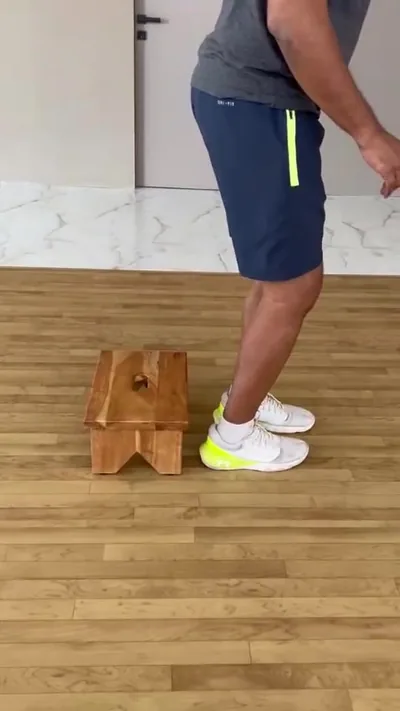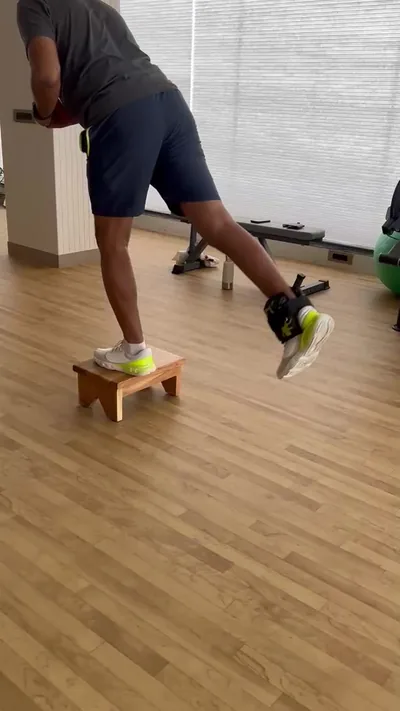
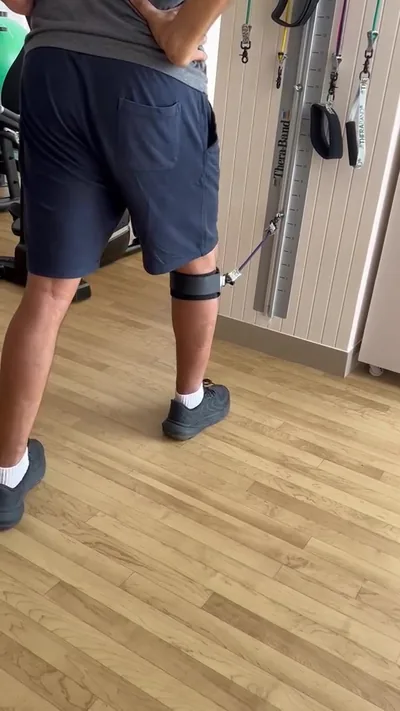
Backward Walking in ACL Rehab Phase 2
Backward walking helps athletes recover from ACL injuries. It builds knee stability in Phase 2 of rehab. This exercise targets quadriceps and improves control after surgery…
Read article

The short answer
Diabetic neuropathy physio in Jaipur at Trivayu Physio Center in Vaishali Nagar manages nerve damage symptoms like numbness, tingling, and foot pain. Techniques include manual therapy, electrotherapy, Class IV laser therapy, TECAR therapy, and dry needling. Personalised plans from full assessments improve blood flow, strength, comfort, and mobility.
Diabetic neuropathy causes nerve damage in people with diabetes. It often starts in the feet and moves up the legs. Common symptoms include numbness, tingling, burning pain, and sharp aches in the soles or toes. Walking becomes hard due to pain or loss of feeling. Diabetic foot pain treatment needs early care to avoid ulcers or infections. Physiotherapy helps manage symptoms like nerve pain relief without surgery. It improves blood flow and strength around damaged nerves.
At Trivayu Physio Center in Vaishali Nagar, Jaipur, we use techniques like manual therapy and electrotherapy. These ease foot nerve pain physiotherapy demands. Diabetics get personalised plans based on a full assessment. This improves comfort and mobility over time. Book an assessment to see how it fits your needs.
High blood sugar over time harms nerves. Diabetic neuropathy builds slowly. It affects legs and feet first. Risk factors include poor sugar control, long diabetes duration, high blood pressure, and smoking. Early signs are tingling or numbness in toes. Pain worsens at night when blood flow slows.
This links to issues like sciatica treatment in Jaipur. Nerve damage legs treatment starts with physio to reduce pressure on nerves. Our clinic treats related pain like arthritis or muscle strains. Dr. Jyoti Choudhary leads with her sports rehab skills. Early visits help reduce worse damage like foot ulcers.
We offer non-invasive methods for diabetic foot pain relief Jaipur. Class IV high power laser therapy reduces inflammation. It supports blood flow to numb areas and supports tissue repair. Patients feel warmth and relief after sessions. Looking for a Physiotherapy Near Me? Our team in Vaishali Nagar, Jaipur can assess you in person.
TECAR therapy heats tissues deeply. This aids nerve repair and pain relief by improving circulation. Advanced electrotherapy calms overactive nerves with gentle currents. It reduces tingling and burning sensations. Dry needling targets tight muscles around the feet and calves. It releases knots that worsen nerve pain.
Manual therapy frees stiff joints in the feet and ankles. Myofascial release eases muscle pain and tension. We teach foot strengthening exercises like towel scrunches. These build arch support and balance. Sessions last 30-45 minutes, 2-3 times weekly. Results vary per person, but many notice less pain after 4-6 sessions. All fit diabetic foot physiotherapy Vaishali Nagar needs.
A physiotherapist starts with a full exam. We check gait, balance, foot sensation, and strength. We ask about pain levels, walking distance, and daily activities. This guides a safe plan. For foot nerve pain physiotherapy, we focus on circulation and support.
During sessions, expect gentle mobilisation of foot joints. We use tools like tuning forks to test nerve function. Balance training on foam pads helps reduce falls. We progress to functional exercises like heel raises. Home programs include foot elevation and cold packs for swelling. We monitor for skin changes to spot issues early. Pair with doctor check-ups for full care. Read more about our Pain Management.
Check feet daily for cuts, blisters, or colour changes. Use a mirror or ask for help. Wear wide, cushioned shoes with good arch support. Avoid tight socks or shoes that rub. Inspect shoes for rough linings.
Gentle stretches help daily. Sit and pull toes back for 20 seconds. Repeat 5 times per foot. Simple exercises improve circulation. Sit and rotate ankles 10 times each way. Walk short distances barefoot indoors only on soft floors. Avoid hot baths or heating pads to help reduce burns from numbness.
Posture correction reduces leg strain. Stand tall with weight even on both feet. Our exercise therapy teaches safe moves. Diabetes foot care physio includes home plans. Track symptoms in a notebook. Note pain scale (0-10), walking time, and changes. Bring it to sessions. Elevate feet above heart level for 15 minutes thrice daily to ease swelling. You may also find Plantar Fasciitis Exercises in Jaipur for Long Standing at Work useful.
Our team handles nerve pain relief physio well. Dr. Jyoti Choudhary has 17 years in orthopaedics. She is physiotherapist to the Rajasthan Senior Women’s Cricket Team. Dr. Hritika Choudhary excels in electrotherapy. Post-op rehab skills apply to nerve care.
We use robotic spinal decompression. It suits back-linked foot pain. Two locations: Vaishali Nagar and Vidyadhar Nagar. Hours fit busy days, including evenings. Home visits available for mobility issues. Full assessment guides your plan. We work with your doctor for safe care.
It is nerve damage from diabetes. High sugar injures nerves over time. Feet suffer tingling, numbness, or pain first. It can spread to legs and hands.
Physio supports blood flow. It reduces pain and numbness. Techniques strengthen feet and improve balance. This aids daily activities.
Laser therapy, TECAR, electrotherapy, manual work. Dry needling for muscles. Tailored to your needs.
Yes. We check your health first. Safe plans avoid strain. Works with your doctor.
Main spot at 204, 2nd Floor, Om Tower, Gandhi Path Road, Nemi Nagar, Vaishali Nagar, Jaipur. Also Vidyadhar Nagar at Rangoli Gardens. Call +91 90570 65065 or WhatsApp to book.
Manage diabetic neuropathy with expert care. Start with an assessment at Trivayu Physio Center. Contact via WhatsApp https://wa.me/919057065065 or phone +91 90570 65065.
Physiotherapy is not the right first step for everything. Seek medical assessment promptly if any of the following apply to you:
If you lose control of your bladder or bowels, develop numbness around the groin, or have chest pain or breathlessness, treat it as an emergency and go to hospital.
Truly thankful to Dr. Jyoti Choudhary and the entire team of Trivayu Physio Centre for their genuine care, humble behaviour, and excellent treatment.
Mahesh Dhaka, Google review
This is one patient's own account, published with consent on our reviews page. It describes their experience, not a predicted outcome. Individual results vary.
Backward walking helps athletes recover from ACL injuries. It builds knee stability in Phase 2 of rehab. This exercise targets quadriceps and improves control after surgery…
Read articleAfter ACL surgery, rebuilding knee strength takes time and care. ACL rehabilitation phases guide this process step by step. Phase 1 protects the graft and cuts…
Read articleAfter hip replacement surgery, dressing your lower body safely helps build independence. By week 6 of hip replacement recovery, many patients aim to dress without help.…
Read articleMessage us on WhatsApp with your main concern and preferred time, and we'll confirm your first visit the same day.