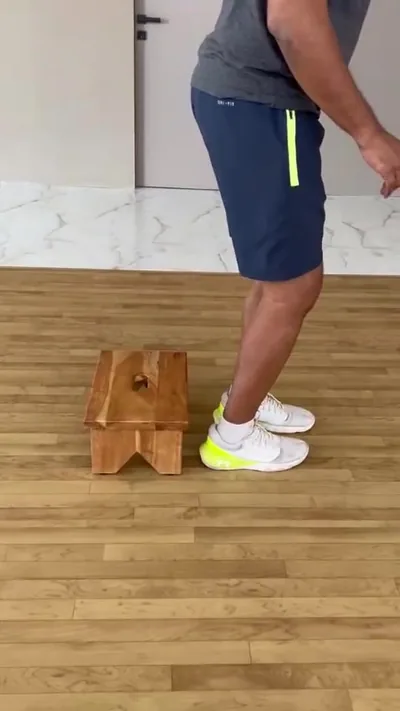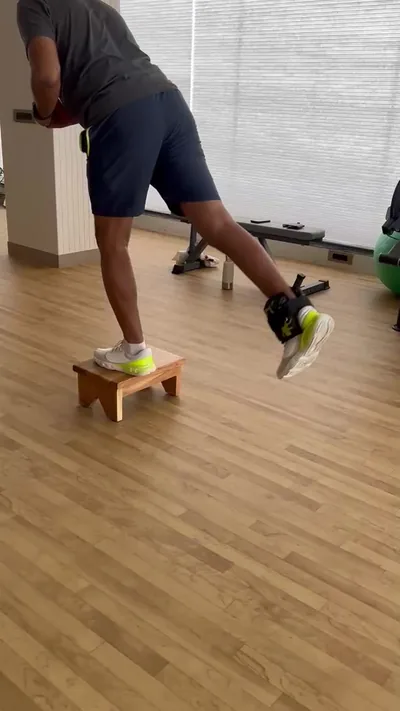
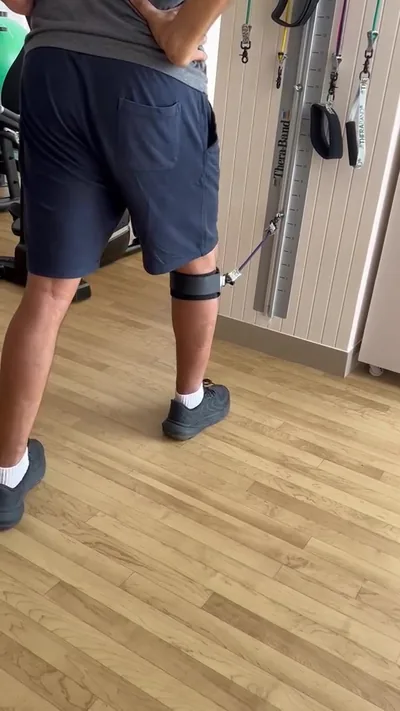
Backward Walking in ACL Rehab Phase 2
Backward walking helps athletes recover from ACL injuries. It builds knee stability in Phase 2 of rehab. This exercise targets quadriceps and improves control after surgery…
Read article

Frozen shoulder causes pain and stiffness in the shoulder joint. This condition, also called adhesive capsulitis, limits movement. Cupping therapy can ease frozen shoulder stiffness. It uses suction cups on the skin to improve blood flow and reduce tension. At Trivayu Physio Center in Jaipur, we offer cupping as part of physiotherapy cupping for shoulder pain cupping needs.
Cupping therapy benefits include better mobility and less pain. Therapists place cups on tight muscles around the shoulder. Patients often feel relief after sessions. Always get an in-person assessment first. This helps tailor cupping frozen shoulder treatment to your case.
In Jaipur, frozen shoulder treatment starts with proper evaluation. Trivayu Physio Center serves Vaishali Nagar and Vidyadhar Nagar. Our team uses cupping alongside other methods for frozen shoulder cupping care.
Cupping therapy pulls skin and muscles with suction. Cups create negative pressure. This boosts blood flow to stiff areas. For frozen shoulder, it targets tight tissues around the joint.
Frozen shoulder stiffness comes from thickened capsule around the shoulder. The joint capsule tightens, restricting glide between bones. Cupping helps loosen these tissues. It reduces pain and improves range of motion. We link cupping to our clinic’s Cupping Therapy service.
The condition has three stages: freezing, frozen, and thawing. In the freezing stage, pain builds and movement drops fast. Stiffness worsens in the frozen stage, where motion stays limited. Thawing brings slow return of movement. Cupping suits the frozen stage best. It eases stiffness without force. Physiotherapists explain this during your visit. They check your stage to adjust approach.
A physiotherapist starts by testing your shoulder. They measure active and passive range. Active range means you move the arm yourself. Passive range means they move it for you. Big gaps point to capsule issues. They press on muscles to find trigger points. These spots feel like hard knots under skin. Cupping targets these to release tension. Looking for a Physiotherapist Near Me? Our team in Vaishali Nagar, Jaipur can assess you in person.
Your first cupping session for frozen shoulder follows clear steps. Arrive at Trivayu Physio Center in Vaishali Nagar or Vidyadhar Nagar. Our hours run Monday to Saturday from 8:00 am to 8:00 pm, Sunday 10:00 am to 1:00 pm.
Staff greet you and note your symptoms. Dr. Jyoti Choudhary or another therapist assesses your shoulder. They check movement and pain points. This guides cup placement. They note your stage of frozen shoulder. For freezing stage, they use lighter suction. For frozen stage, they target deeper muscles.
First session cupping lasts 30-45 minutes total. Wear loose clothes. Expect cupping marks shoulder after. These show blood flow increase.
During session, breathe deeply. This helps muscles relax. Therapist may guide gentle stretches between cups. For example, they roll your shoulder slowly if pain allows. This tests response right away.
Cupping spots shoulder focus on tight muscles. Common areas include the upper trapezius, deltoid, and rotator cuff muscles. These surround the shoulder joint. Rotator cuff has four small muscles that stabilise the joint. They tighten in frozen shoulder.
Therapist chooses spots based on your pain. They feel for knots with fingers. Pressing a knot causes referred pain down the arm. Cupping draws blood to that spot. This softens the knot over time. More on Frozen Shoulder Treatment and how we assess it.
Myofascial Release often pairs with this for better results. Fascia is the thin sheath around muscles. It thickens in stiffness. Therapist uses hands to stretch fascia after cups. This combo improves joint glide. Spots vary per person. An in-person check ensures safe placement. Avoid cups directly on the joint. Skin over bone bruises easily.
For severe frozen shoulder stiffness, therapist adds moving cupping. They glide the cup while sucking. This spreads suction over larger areas. It suits deltoid and upper back well.
Cupping leaves red or purple cupping marks shoulder. These form from broken blood vessels under skin. Marks show improved flow, not bruises. Darker marks mean more stagnation was there. Lighter ones show good flow already.
Marks fade in 3-10 days. Do not rub them. They heal on their own. If marks swell or itch, tell your therapist next visit. Rare allergy causes this.
You may feel mild soreness for 1-2 days. This comes from sudden blood rush. Drink plenty of water. This flushes toxins. Toxins build in stiff muscles from poor flow. You may also find First Cupping Session for Frozen Shoulder useful.
Avoid heavy lifting or hot showers right after. Heat swells marks. Cold packs soothe if sore. Rest the shoulder but move gently. Therapist gives home exercises. Pendulum swings help. Let arm hang and circle it slowly. This keeps capsule from freezing more.
Return in 3-7 days for next session. Track changes in a notebook. Note pain level, movement ease, sleep quality. Share this at follow-up. Physiotherapist adjusts plan. For example, if neck pain lingers, add more neck base cups.
Watch for warning signs. Increased pain, numbness, or fever means stop and call us. These signal other issues.
Our team handles shoulder pain cupping with skill. Dr. Jyoti Choudhary has 17+ years in sports and orthopaedics. She serves as physiotherapist to Rajasthan Senior Women’s Cricket Team. Dr. Hritika Choudhary excels in advanced electrotherapy and post-op rehab.
We offer Cupping Therapy at two Jaipur spots: Vaishali Nagar at 204, 2nd Floor, Om Tower, Gandhi Path Road, Nemi Nagar; and Vidyadhar Nagar at Rangoli Gardens. Phone +91 90570 65065 or WhatsApp https://wa.me/919057065065.
Staff explain clearly. They focus on your recovery pace. Combine cupping with Manual Therapy or Orthopaedic Rehabilitation if needed. For frozen shoulder, Manual Therapy stretches the capsule gently. Orthopaedic Rehabilitation builds strength later.
Assessment first, then 5-15 minutes of suction on shoulder spots. Mild pull sensation. Lasts 30-45 minutes. Marks appear after.
Upper back, deltoid, neck base, upper arm. Therapist picks based on tension.
No sharp pain. Feels like strong pull or warmth. Therapist adjusts for comfort.
Varies by person. Often 4-8 sessions, spaced 3-7 days. In-person assessment sets plan.
Yes, when done by trained physiotherapist. Avoid if skin issues or blood thinners. Check with us first.
Hydrate, rest, gentle moves. Marks fade in days. Follow up as advised.
Cupping therapy frozen shoulder aids stiffness relief. Pair it with full physiotherapy for best results. Recovery differs for each person. See a professional for personalised care. Book an assessment at Trivayu Physio Center. Call +91 90570 65065 or WhatsApp https://wa.me/919057065065 today.
Physiotherapy is not the right first step for everything. Seek medical assessment promptly if any of the following apply to you:
If you lose control of your bladder or bowels, develop numbness around the groin, or have chest pain or breathlessness, treat it as an emergency and go to hospital.
Truly thankful to Dr. Jyoti Choudhary and the entire team of Trivayu Physio Centre for their genuine care, humble behaviour, and excellent treatment.
Mahesh Dhaka, Google review
This is one patient's own account, published with consent on our reviews page. It describes their experience, not a predicted outcome. Individual results vary.
Backward walking helps athletes recover from ACL injuries. It builds knee stability in Phase 2 of rehab. This exercise targets quadriceps and improves control after surgery…
Read articleAfter ACL surgery, rebuilding knee strength takes time and care. ACL rehabilitation phases guide this process step by step. Phase 1 protects the graft and cuts…
Read articleAfter hip replacement surgery, dressing your lower body safely helps build independence. By week 6 of hip replacement recovery, many patients aim to dress without help.…
Read articleMessage us on WhatsApp with your main concern and preferred time, and we'll confirm your first visit the same day.