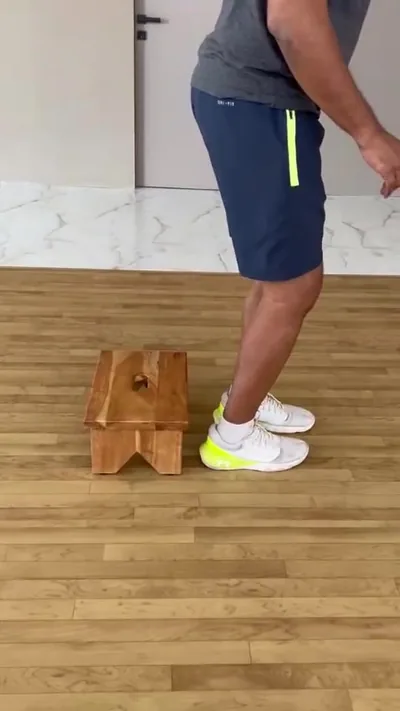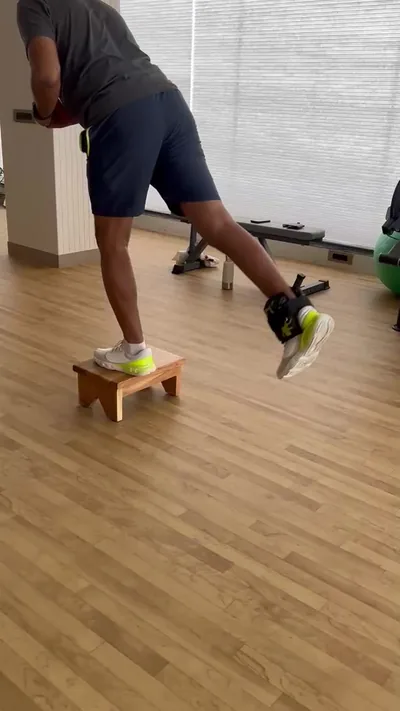
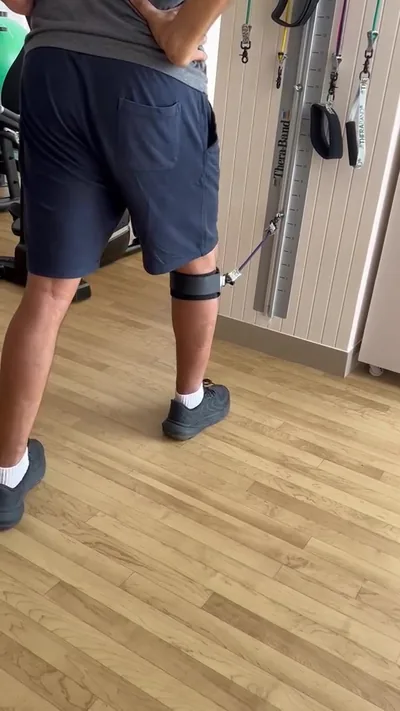
Backward Walking in ACL Rehab Phase 2
Backward walking helps athletes recover from ACL injuries. It builds knee stability in Phase 2 of rehab. This exercise targets quadriceps and improves control after surgery…
Read article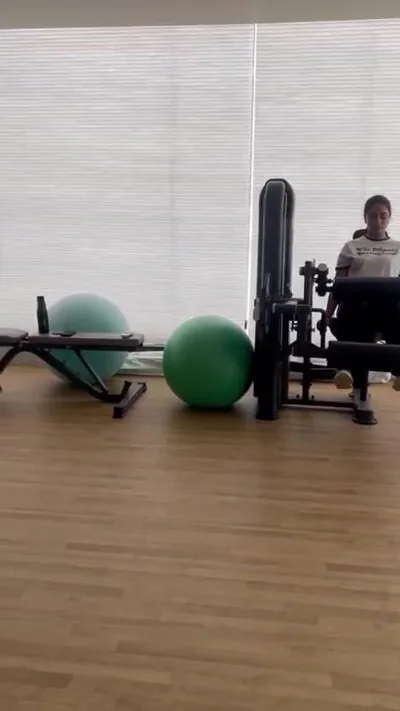
In ACL rehab phase 2, focus is on knee control after initial healing. This mid-stage starts controlled movements. Athletes need stability for safe sport return.
Cupping therapy eases muscle tension around the knee. At Trivayu Physio Center in Vaishali Nagar, Jaipur, we use it with stability drills. It supports blood flow to muscles like quads and hamstrings.
Recovery varies by person, injury type, and surgery if done. An in-person assessment guides your plan. Our team helps progress step by step, checking knee range and strength each session.
ACL phase 2 follows early protection phase, from injury or surgery. Goals: regain knee control, build proprioception (knee’s sense of position in space), and start stability drills.
Physiotherapist assesses knee range of motion, muscle strength, and balance. Test single-leg stand for 20-30 seconds. Check if swelling stays low and pain minimal on walks or stairs. Looking for a Rehabilitation Centre Near Me? Our team in Vaishali Nagar, Jaipur can assess you in person.
Sessions last 45-60 minutes, 2-3 times weekly. Start with 5-10 minute warm-up on stationary bike or heel slides. Add therapy like cupping, then targeted exercises and stretches.
At Trivayu Physio Center, Vaishali Nagar, Jaipur, Dr. Jyoti Choudhary tailors plans to your sport or activity. She checks quad muscle firing before advancing to weight-bearing drills.
Cupping uses suction cups to lift skin and tissues. Apply to quads, hamstrings, and calves around the knee. This promotes blood flow and reduces tightness in muscles strained by limp or swelling.
In mid-rehab like phase 2, it eases soft tissue restrictions that limit knee bend. Pairs well with manual therapy for full effect.
Therapist cleans skin first, then places silicone or glass cups on tight spots. Suction comes from squeezing silicone cups or using a pump on glass ones. Leave on for 5-10 minutes per area.
Combine with myofascial release (MFR), where hands press and glide over tight areas. Use on quads, hamstrings, calves, and IT band (outer thigh strip).
Cupping prepares tissues before stability work. Apply first to quads, hamstrings, and calves. It releases fascia, the web-like layer over muscles, for smoother movement.
This improves muscle glide during single-leg stands. Better blood flow delivers nutrients and oxygen. Looser tissues let you focus on control without fighting tightness.
After cupping, muscles feel less guarded. Hold balances longer without knee buckling inward. Physiotherapists watch form closely, cueing hips back and core tight to prevent compensations like ankle roll. Read more about our Orthopaedic Physiotherapy.
At Trivayu, pair cupping with dry needling or TECAR therapy if suitable. Dry needling inserts thin needles into trigger points (knots) in muscles for quick release.
Do cupping first to loosen tissues, then drills under physiotherapist guidance. Breathe steady through nose, keep core tight like bracing for a punch. Stop if pain goes over mild (3/10).
Dr. Hritika Choudhary or Dr. Ishu Sharma demonstrate form at Trivayu. Track hold times or reps weekly to measure gains. Home version: Practice daily without weights.
Phase 2 starts 4-6 weeks post-surgery, once you walk without crutches and quad muscle activates. Focus on stability while protecting graft. Check incision healing, no redness or heat. You may also find ACL Rehab Running Drills Phase 3 in Jaipur useful.
Begin scar massage with light fingers in circles, then cupping on surrounding muscles. Progress from straight-leg raises (lie flat, lift leg straight) to mini-squats.
Key signs to advance: full knee bend without pain, no limp on flat ground, strong quad contraction (muscle tightens visibly). Warm up on bike with no resistance. Dr.
Sports return takes months, with phase 2 leading to phase 3 agility drills. Expect graft protection cues: no twisting or deep pivots yet.
Mid-stage means 2-3 sets of 10-15 reps, 3 times weekly with rest days. Use bodyweight or light bands. Focus control over speed.
Pair with cupping beforehand. Physiotherapist checks for knee valgus (inward collapse) and cues corrections like wider stance.
Jaipur sports like cricket, football, and kho-kho often cause ACL tears from pivots or tackles. Trivayu Physio Center offers full rehab at Vaishali Nagar for West Jaipur and Vidyadhar Nagar for East.
Sports-specific drills build confidence. Dr. Jyoti Choudhary works with Rajasthan Women’s Cricket Team, adding balance boards and lateral hops in later phases.
Full rehab covers prehab (before surgery strengthening), acute protection, mid-stages like phase 2, and return-to-sport tests. Tests check hop distances for symmetry between legs.
Vaishali Nagar: 204, 2nd Floor, Om Tower, Gandhi Path Road, Nemi Nagar. Vidyadhar Nagar: Rangoli Gardens. Open Mon-Sat 8 am-8 pm, Sun 10 am-1 pm.
Team specialises in sports recovery. Dr. Jyoti Choudhary with cricket expertise. Dr. Ajit Choudhary for post-op. Services include cupping, electrotherapy, exercise therapy, dry needling, and TECAR.
Home visits and online consults available. Book ACL rehab assessment.
Mid-stage after early healing. Builds knee stability with controlled exercises for control and proprioception.
Lifts tissues, boosts blood flow, reduces tension. Prepares muscles for stability drills.
Mid-stages like phase 2, after physiotherapist clearance. Depends on swelling and pain levels.
Trivayu Physio Center, Vaishali Nagar and Vidyadhar Nagar.
Single-leg balances, partial squats, side steps, step-ups. Cupping first. Always get hands-on guidance.
Varies by progress. Often 4-8 weeks, based on weekly checks.
Phase 2 builds strong base for later demands. Combine cupping and drills under experts at Trivayu. Book in-person assessment. WhatsApp or call +91 90570 65065.
Physiotherapy is not the right first step for everything. Seek medical assessment promptly if any of the following apply to you:
If you lose control of your bladder or bowels, develop numbness around the groin, or have chest pain or breathlessness, treat it as an emergency and go to hospital.
Truly thankful to Dr. Jyoti Choudhary and the entire team of Trivayu Physio Centre for their genuine care, humble behaviour, and excellent treatment.
Mahesh Dhaka, Google review
This is one patient's own account, published with consent on our reviews page. It describes their experience, not a predicted outcome. Individual results vary.
Backward walking helps athletes recover from ACL injuries. It builds knee stability in Phase 2 of rehab. This exercise targets quadriceps and improves control after surgery…
Read articleAfter ACL surgery, rebuilding knee strength takes time and care. ACL rehabilitation phases guide this process step by step. Phase 1 protects the graft and cuts…
Read articleAfter hip replacement surgery, dressing your lower body safely helps build independence. By week 6 of hip replacement recovery, many patients aim to dress without help.…
Read articleMessage us on WhatsApp with your main concern and preferred time, and we'll confirm your first visit the same day.