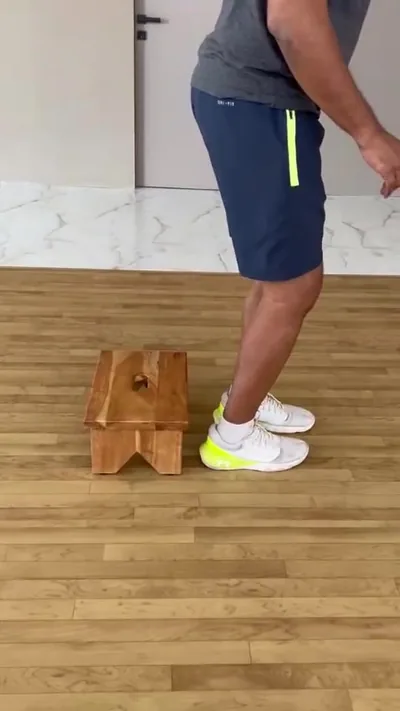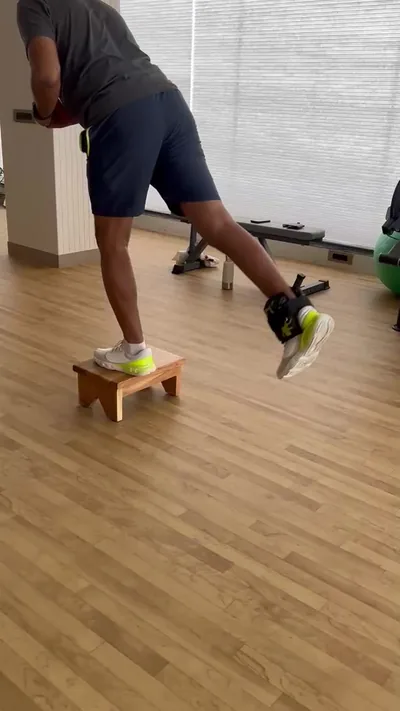
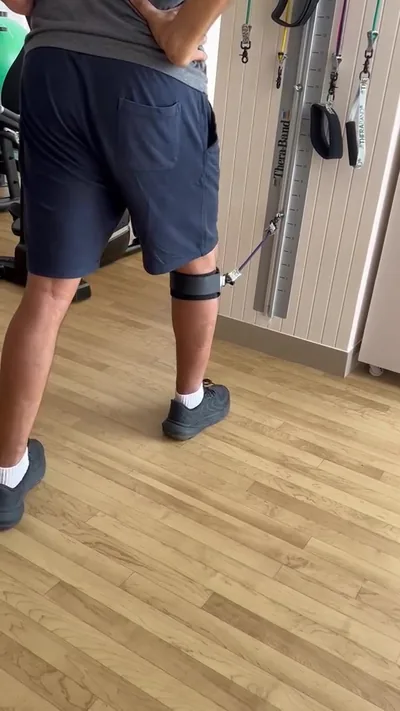
Backward Walking in ACL Rehab Phase 2
Backward walking helps athletes recover from ACL injuries. It builds knee stability in Phase 2 of rehab. This exercise targets quadriceps and improves control after surgery…
Read article
Cupping therapy can help manage swelling and pain after meniscus surgery. At Trivayu Physio Center in Vaishali Nagar, Jaipur, we use it in physiotherapy for post-op knee recovery. This fits into meniscus repair recovery when guided by a physiotherapist.
Meniscus tears often need surgery, causing post-op swelling and discomfort. Week 2 marks early rehab, where cupping supports pain control. Our team offers safe care for Jaipur patients seeking meniscus rehab.
Physiotherapy after knee surgery starts with assessment. Cupping works alongside other methods. Get an in-person check first. A physiotherapist examines knee stability, range of motion, and pain. Looking for a Physiotherapist in Jaipur? Our team in Vaishali Nagar, Jaipur can assess you in person.
Meniscus tear physiotherapy begins after doctor clearance. Goal: restore knee function without stress. Early focus: control swelling and pain, then movement and strength.
Gentle hands-on work loosens tight tissues. Soft tissue mobilisation improves blood flow. Avoid deep bending or twisting until cleared.
Progress step-by-step: protect knee with bracing or taping. Add slides or straight-leg raises. Each stage depends on knee response.
In Jaipur clinics like ours, we teach spotting warning signs like sharp pain or new swelling. Physiotherapists check knee alignment during gait. They watch for limping or uneven steps. Home checks include pressing gently around the knee for tender spots.
Cupping creates suction on skin with cups. It pulls tissues, boosts blood flow, eases tension. In meniscus physiotherapy, it targets post-op swelling.
In early rehab, cupping reduces fluid buildup. Suits week 2 with basic movement. We pair it with rest. Cups place around knee, not on scars. Read more about our Pain Management.
Cupping draws out fluids, supports healing. Trivayu offers this for Vaishali Nagar patients. Sessions use silicone or glass cups, adjusted for tolerance. Silicone cups allow gliding with oil for even coverage. You may also find Cupping After Knee Replacement Day 1 useful.
Meniscus repair recovery varies. Week 2: protect knee, start light rehab. Swelling and pain ease with care.
Common issues: stiffness, bruising, limited bend. Physiotherapy guides progress.
Sports and orthopaedic experts monitor knee girth for swelling. They measure thigh and calf with tape weekly to track changes.
Post-op swelling from trauma and less movement. Use elevation, compression, draining techniques. Cupping lifts tissues to move fluid.
Measure swelling by comparing knee sizes. Manual lymphatic drainage follows cupping. Start from toes, stroke upward lightly with fingers.
Teach self-massage from groin to ankle. Use palm or knuckles in long strokes. Avoid tight bandages. Wear loose compression sleeves during day.
Physiotherapists at Trivayu check skin colour and temperature. Pale or hot skin signals issues. Combine with ankle pumps: point and flex foot 20 times hourly.
Pain control mixes methods. TENS blocks signals. Cupping relaxes muscles.
Ice after cupping. Teach breathing: in nose, out mouth with leg lifts. Hold breath out for 3 seconds.
Class IV laser reduces inflammation. TECAR heats tissues for mobility. Combine with rest. Position knee on pillow at 20-30 degree bend.
For night pain, elevate leg end of bed with folded blanket. Avoid crossing legs. Track pain patterns in diary: time, activity, level 0-10.
Early rehab protects repair, builds confidence. Check weight tolerance. Use crutches until steady.
Start supine: heel slides, 10 repeats. Slide heel toward bottom slowly, hold 5 seconds. Progress to sitting extensions with weights. Isometric quad sets: tighten thigh muscle 10 seconds, 10 times.
Balance: double-leg stands, eyes open, mirrors for alignment. Hold 30 seconds, add unstable surface later.
End with home plan. Track pain 0-10 daily. Stop if pain jumps 2 points. Add heat pack before exercises for stiffness.
Cupping boosts circulation, drains fluid, cuts swelling. Relaxes muscles for pain control.
Suction lifts skin and fascia, breaks tension. Pair with manual therapy. Myofascial release uses pressure on tight bands. Roll slowly with therapist’s thumbs.
Short sessions in early rehab: static 5 minutes; sliding with oil. Glide cups from knee outer side downward. Repeat 3 passes per spot.
Trivayu provides cupping for meniscus rehab. Team: Dr. Jyoti Choudhary (17+ years sports/orthopaedics), Dr. Hritika Choudhary (post-op rehab).
Use with Class IV laser, TECAR. Locations: Vaishali Nagar, Vidyadhar Nagar. Home visits, online consultations.
Dr. Ishu Sharma (exercise), Dr. Ajit Choudhary (post-op). Dr. Jyoti tailors cupping. She adjusts suction based on skin response and pain feedback.
Session: assess range, swelling. Cupping 10-15 min, then stretches for calf, hamstring. Stretch calf by pulling toes toward shin, hold 20 seconds.
No pain in proper cupping. Mild marks fade. Combine with electrotherapy. 45 min, twice weekly. Expect gradual bend increase: measure with goniometer.
Track swelling with tape. Measure knee widest point morning and evening. Note differences.
Yes, by trained physiotherapists after clearance. Avoid wounds, infections. Sterilise cups.
If swelling persists, after assessment. Check stitches.
Promotes fluid movement. Track in sessions. Combine with elevation.
Trivayu at 204, 2nd Floor, Om Tower, Gandhi Path Road, Vaishali Nagar. Also Vidyadhar Nagar. Parking available.
Sessions for pain, swelling, strength. Steady gains with visits. Weekly reviews.
Test bend, straightness, strength. Goniometer for angles. Pain, swelling guide steps. Gait analysis checks stride length.
Cupping supports recovery from meniscus surgery by targeting swelling and pain. Physiotherapy at Trivayu builds full rehab.
Book your post-op physio assessment. Contact WhatsApp +91 90570 65065 or call. Home visits available.
“`
“`
Word count: 1027
Physiotherapy is not the right first step for everything. Seek medical assessment promptly if any of the following apply to you:
If you lose control of your bladder or bowels, develop numbness around the groin, or have chest pain or breathlessness, treat it as an emergency and go to hospital.
Truly thankful to Dr. Jyoti Choudhary and the entire team of Trivayu Physio Centre for their genuine care, humble behaviour, and excellent treatment.
Mahesh Dhaka, Google review
This is one patient's own account, published with consent on our reviews page. It describes their experience, not a predicted outcome. Individual results vary.
Backward walking helps athletes recover from ACL injuries. It builds knee stability in Phase 2 of rehab. This exercise targets quadriceps and improves control after surgery…
Read articleAfter ACL surgery, rebuilding knee strength takes time and care. ACL rehabilitation phases guide this process step by step. Phase 1 protects the graft and cuts…
Read articleAfter hip replacement surgery, dressing your lower body safely helps build independence. By week 6 of hip replacement recovery, many patients aim to dress without help.…
Read articleMessage us on WhatsApp with your main concern and preferred time, and we'll confirm your first visit the same day.