Is Side Bending Safe with L4 L5 Herniated Disc
An L4 L5 herniated disc happens when the disc between your fourth and fifth lumbar vertebrae bulges or ruptures. This presses on nearby nerves, causing pain…
Read article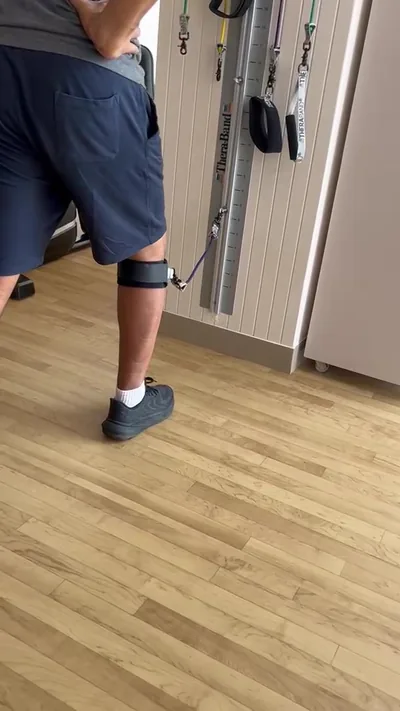

Cricket is popular in Jaipur. Amateur players often face knee strains from sudden movements. These include pivots during bowling or quick stops while fielding. Prevention matters most for weekend warriors who play without daily training. Proper warm-ups build knee stability. They prepare muscles and joints for cricket demands.
Trivayu Physio Center supports local cricketers. Our team has sports expertise. Dr. Jyoti Choudhary works with the Rajasthan Senior Women’s Cricket Team. She knows cricket demands. Simple drills and strengthening help prevent knee pain. For ongoing issues, an in-person check gives tailored advice. Jaipur’s gully cricket and club matches add unique stresses. Dusty pitches demand extra knee control.
Knee strains happen often in cricket. Sudden direction changes stress the joint. Bowlers twist on landing. Their front knee absorbs force as the body rotates. Batsmen pivot for quick runs between wickets. Fielders sprint and stop abruptly to catch or throw. Without preparation, ligaments and tendons suffer.
Poor warm-up is a main cause. Cold muscles lack flexibility. They tear easier under load. Muscle imbalances add risk. Weak hamstrings fail to balance tight quads. This pulls unevenly on the knee. Jaipur pitches vary. Dusty or uneven surfaces force extra knee work to stay stable.
Other factors include overload. Amateurs play intense matches after long breaks. Extra weight stresses joints more during jumps or dives. Past injuries weaken knees if not rehabbed well. Poor footwear on rough grounds worsens alignment. Spot these risks early to stay on the field. A physio assessment checks your specific setup. Looking for a Physiotherapy Clinic Near Me? Our team in Vaishali Nagar, Jaipur can assess you in person.
Warm-ups raise heart rate and loosen joints. They prep knees for cricket action. Do them before every session. Start slow. Build to game speed. Aim for 10-15 minutes. Make this routine for gully cricket or nets.
Follow these steps:
These drills mimic cricket moves. They build stability. Knees track over toes to avoid inward collapse. End with arm circles and torso twists. This preps the full body for Jaipur’s hot weather play.
Strong muscles protect knees. Focus on quads, hamstrings, glutes, and calves. Train 2-3 times weekly. Rest days prevent overuse. Combine with warm-ups for best results. Start light. Add reps as control improves. A physio can watch your form.
These tie to sports rehab principles. They help Jaipur cricketers handle gully twists and long innings. Breathe steadily. Stop if pain sharpens.
Prevention goes beyond warm-ups. Master technique to cut knee stress. Bowlers land with a slight knee bend. Avoid locking out. Batsmen push off front leg without twisting knee inward. Fielders bend knees on stops, not stiffen them. More on Knee Pain Treatment and how we assess it.
Choose shoes with good grip and cushion. Jaipur roads wear them out fast – check treads before play. Limit matches to once weekly if new to training. Ice knees after hard sessions. Elevate legs if sore. Build up volume slowly, like adding one extra drill weekly.
Watch for early signs. Dull ache after play means rest. Swelling signals overload. Track play hours in a notebook. Pair with core work like planks to share load from knees.
For lasting knee health, add pro methods. Manual Therapy frees tight tissues. It restores joint glide for smooth pivots. Orthopaedic Rehabilitation rebuilds strength after strains. Electrotherapy eases pain and swelling fast. Use after hard games.
Robotic Spinal Decompression helps if back issues affect knees. Dry Needling targets trigger points in tight muscles. TECAR Therapy speeds recovery by boosting blood flow. Clinic pros guide these. Amateurs benefit from supervised sessions to learn self-care. You may also find Cricket Knee Strain Prevention Warm Ups useful.
Track form with a mirror or phone video. Fix knee valgus – inward cave during squats or lunges. Wear supportive shoes on Jaipur roads. Hydrate well in heat. Stretch post-play: hold quad pulls and hamstring reaches 20 seconds each. These habits cut repeat strains. A physio tailors them to your cricket style.
Knee pain hits many Jaipur cricketers. It starts as a twinge after overs. Igore it, and it worsens. Common spots: front knee from bowling, inner knee from fielding cuts. Rest first. If no better in days, book an assessment.
Physios check gait, strength, and alignment. They spot why pain flares in cricket. Home exercises follow. Do not self-diagnose. An in-person visit rules out serious issues.
Trivayu Physio Center is in Vaishali Nagar and Vidyadhar Nagar. Dr. Jyoti Choudhary leads sports care. Dr. Hritika Choudhary handles post-op rehab. Full team covers all needs.
Book an assessment for knee pain. We check gait, strength, and alignment. Home visits and online consults available. Open Mon-Sat 8am-8pm, Sun 10am-1pm.
Dynamic stretches like leg swings, high knees, lunges, and butt kicks. They prep joints for pivots and sprints. Do 10 minutes pre-game.
Warm up properly. Strengthen legs weekly. Fix muscle imbalances. Rest between matches. Use good shoes on local pitches. Watch landing form.
Squats, single-leg balances, calf raises, side lunges, glute bridges. Train 2-3 times a week. Focus on control over heavy weights.
If pain lasts post-game, swells, or limits movement. Early check prevents worsening. Do not ignore twinges after matches.
Yes. It spots weaknesses. Guides exercises. Uses therapies like Electrotherapy for recovery. Builds resilient knees for Jaipur play.
Sudden pivots, poor warm-up, weak muscles, uneven pitches. Amateurs face higher risk from irregular play and overload.
Prevent knee troubles now. Build habits for safe cricket. Book your assessment at Trivayu Physio Center. Call +91 90570 65065 or WhatsApp via the link.
Physiotherapy is not the right first step for everything. Seek medical assessment promptly if any of the following apply to you:
If you lose control of your bladder or bowels, develop numbness around the groin, or have chest pain or breathlessness, treat it as an emergency and go to hospital.
Truly thankful to Dr. Jyoti Choudhary and the entire team of Trivayu Physio Centre for their genuine care, humble behaviour, and excellent treatment.
Mahesh Dhaka, Google review
This is one patient's own account, published with consent on our reviews page. It describes their experience, not a predicted outcome. Individual results vary.
An L4 L5 herniated disc happens when the disc between your fourth and fifth lumbar vertebrae bulges or ruptures. This presses on nearby nerves, causing pain…
Read articleShopkeepers in Jaipur often stand for long hours behind counters. This prolonged standing can trigger sciatica pain. Sciatica happens when the sciatic nerve gets irritated, often…
Read articleHerniated disc night pain disrupts sleep for many. The disc bulge presses on nerves, causing sharp back pain or sciatica that flares up at night. Simple…
Read articleMessage us on WhatsApp with your main concern and preferred time, and we'll confirm your first visit the same day.