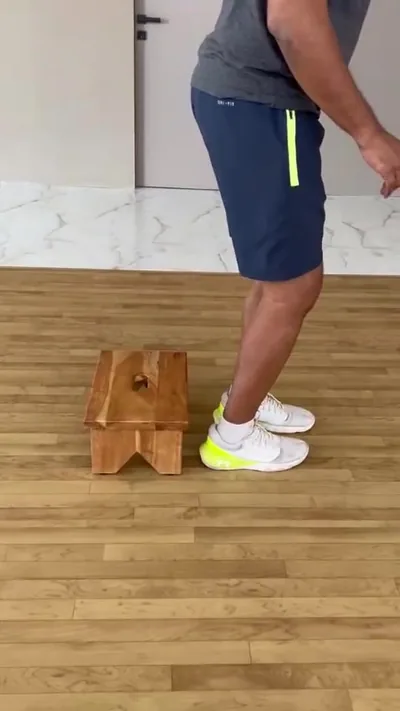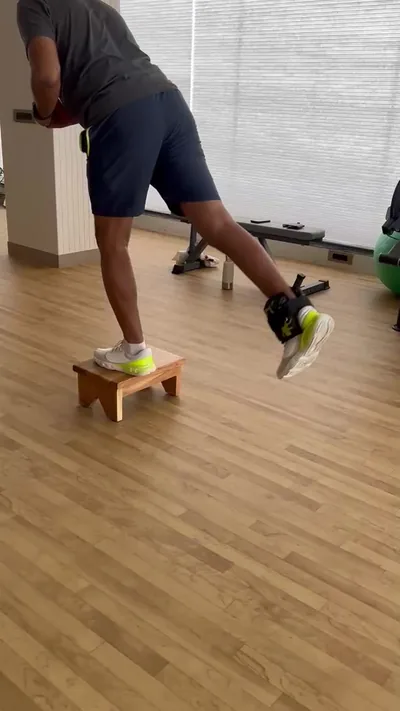
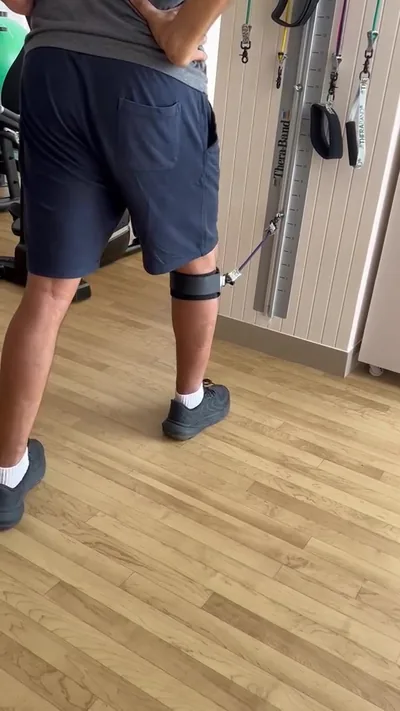
Backward Walking in ACL Rehab Phase 2
Backward walking helps athletes recover from ACL injuries. It builds knee stability in Phase 2 of rehab. This exercise targets quadriceps and improves control after surgery…
Read article

Cricket fielders in Jaipur face high knee strain risk from quick dives and sharp turns on local pitches. These moves stress knees during matches and nets. Prevention starts with targeted drills and exercises.
This guide covers common causes, position risks, and safe drills. It includes strengthening moves and physio advice from Trivayu Physio Center. Build knee resilience to field longer without pain.
Jaipur cricketers play on uneven surfaces that add twist to knee loads. Smart preparation cuts injury risk. Follow these steps for knee safety.
Knee strain hits fielders from sudden stops, dives, and side-to-side cuts. Landing hard after a jump jars the knee joint. Quick direction changes overload ligaments and tendons.
Local Jaipur pitches often have rough patches. These increase slip risk during slides or stops. Heat and long sessions tire muscles, raising strain chances.
Risk factors include poor warm-ups, weak thighs, and tight calves. Fielders over 30 or with past knee issues face higher odds. Early signs are ache after play or swelling. Watch for knee buckling or grinding sounds during moves. Persistent stiffness after rest signals building problems.
A physiotherapist approaches this by checking your gait and knee alignment first. They test muscle balance around the knee, like quad strength versus hamstrings. Expect questions on your fielding role and recent pains. They guide on form corrections to avoid repeat stress.
Slips position demands low squats and fast lunges for catches. Knees bend deep, stressing front joints on reaction dives. Constant low stance fatigues knee stabilisers over long innings.
Covers and point roles need sharp lateral shuffles. Side steps twist knees inward, straining outer ligaments. Quick stops after chasing balls add force. Infield grass wears thin, making footing tricky. Looking for a Rehabilitation Centre Near Me? Our team in Vaishali Nagar, Jaipur can assess you in person.
Mid-on and mid-off require endurance runs with sudden halts. Outfield dives on boundaries load knees on uneven grass. Each spot asks unique knee actions that build fatigue over games. Boundary fielders face extra jolts from hard-packed edges.
In slips, deep knee flexion strains the patella tendon. Feel it as front knee ache during prolonged crouches. Physiotherapists note this from tight quads pulling on the kneecap.
Infield positions like covers strain medial collateral ligaments from side loads. Pain hits the inner knee after shuffle bursts. Check if your knee caves inward on turns—that flags weakness.
Outfield roles overload patellofemoral joints from impact landings. Dive stops cause posterior knee pull. Jaipur’s dry pitches crack underfoot, twisting knees on uneven bounces. Track pain patterns: slips ache at rest, infield burns during cuts, outfield throbs post-run.
Tailor drills to your spot for best knee protection. Do them 3 times weekly, starting slow. Warm up first with light jogs and dynamic leg swings. Cool down with stretches. Progress only when form stays perfect.
For slips: Practice balance drills. Stand on one leg, knee slightly bent, for 30 seconds. Add catch throws to mimic game stance. Builds steady knee control. Focus on soft knee bend to absorb shocks.
Infield like covers or point: Agility ladder work. Side shuffles through squares, knees tracking over toes. Follow with cone drills for cuts. Keep hips square to reduce twist. More on Knee Pain Treatment and how we assess it.
Outfield mid-on/off: Endurance circuits. Run to markers, stop controlled, backpedal. Focus knee alignment on turns. Use Jaipur park grass for real feel.
Build knee strength with bodyweight moves. Do 2-3 sets of 10-12 reps, twice weekly. Keep form strict to prevent harm. Breathe out on effort. Rest 60 seconds between sets.
Squats: Feet shoulder-width, lower till thighs parallel to ground. Push through heels, knees over toes. Strengthens quads for stable fielding. Add pause at bottom for control.
Lunges: Step forward, drop back knee near floor. Alternate legs. Add walks for dynamic control like chasing balls. Keep torso upright, front knee at 90 degrees.
Include hamstring bridges. Lie back, lift hips with feet flat. Balances front-back strength for even load. Progress to single-leg version for advanced stability. Add side planks for hip control, as weak hips drop knees during shuffles.
Combine drills with daily habits for knee protection. Tape ankles if history of rolls—stabilises knee chain. Choose shoes with firm midsoles for Jaipur’s hard wickets.
Warm-up sequence: 5 minutes jog, leg circles, bodyweight squats. Activates knee muscles before fielding. Post-session: Foam roll quads and IT band to release tension.
Drills evolve: Start static holds, add speed, then resistance bands for pulls. Track progress in a notebook—note pain-free reps.
For fielding-specific protection, practise “brake drills.” Run at half-speed, plant one foot, change direction. Teaches controlled deceleration. Pair with medicine ball throws for rotational power without knee torque. You may also find Cricket Knee Strain Prevention Warm Ups useful.
Trivayu Physio Center in Vaishali Nagar helps with sports knee issues. Dr. Jyoti Choudhary, senior sports physiotherapist with 17 years experience, aids Rajasthan Women’s Cricket Team.
Manual Therapy eases tight muscles from fielding stress. Class IV High Power Laser Therapy reduces knee inflammation fast. Get assessed for custom plans. Expect hands-on checks of knee range and strength tests.
Team offers Orthopaedic Rehabilitation for joint care. A session starts with history review, then movement analysis. They prescribe tweaks to your drills based on findings. Electrotherapy aids pain relief and tissue healing post-strain.
Book at 204, 2nd Floor, Om Tower, Gandhi Path Road, Nemi Nagar, Vaishali Nagar, Jaipur. Also at Vidyadhar Nagar, Rangoli Gardens. Jaipur cricketers gain from local knowledge of pitch conditions.
Warm up properly, use position drills, and strengthen knees weekly. Wear supportive shoes on Jaipur pitches. Rest if pain starts. Ice and elevate after long nets.
Balance for slips, agility ladders for infield, endurance runs for outfield. Focus controlled landings and alignments. Add brake drills for stops.
After injury, swelling, or pain lasting over a week. Do not ignore during season play. Early check prevents worsening. Go if movement limits fielding.
It lowers risk through targeted rehab and advice. No method fully stops injuries, but physio builds resilience. Custom plans match your position needs.
Squats, lunges, step-ups, and bridges. Add single-leg work for fielding stability. Wall sits for endurance.
Prevent knee strain with these drills and exercises. Stay consistent for safer fielding in Jaipur leagues. Build habits now to play seasons without knee downtime.
Book an assessment at Trivayu Physio Center. WhatsApp +91 90570 65065 or call to start.
Physiotherapy is not the right first step for everything. Seek medical assessment promptly if any of the following apply to you:
If you lose control of your bladder or bowels, develop numbness around the groin, or have chest pain or breathlessness, treat it as an emergency and go to hospital.
Truly thankful to Dr. Jyoti Choudhary and the entire team of Trivayu Physio Centre for their genuine care, humble behaviour, and excellent treatment.
Mahesh Dhaka, Google review
This is one patient's own account, published with consent on our reviews page. It describes their experience, not a predicted outcome. Individual results vary.
Backward walking helps athletes recover from ACL injuries. It builds knee stability in Phase 2 of rehab. This exercise targets quadriceps and improves control after surgery…
Read articleAfter ACL surgery, rebuilding knee strength takes time and care. ACL rehabilitation phases guide this process step by step. Phase 1 protects the graft and cuts…
Read articleAfter hip replacement surgery, dressing your lower body safely helps build independence. By week 6 of hip replacement recovery, many patients aim to dress without help.…
Read articleMessage us on WhatsApp with your main concern and preferred time, and we'll confirm your first visit the same day.