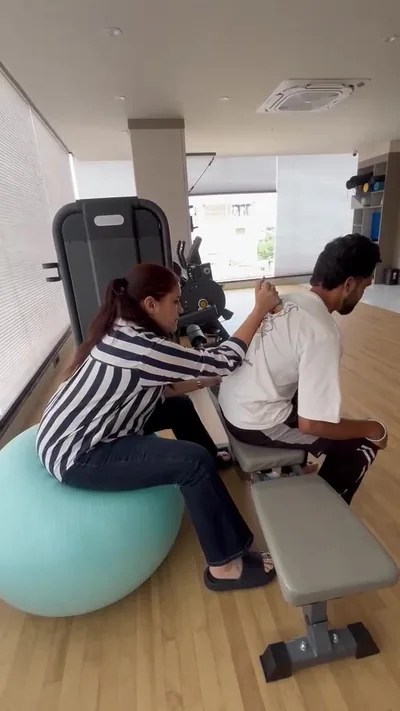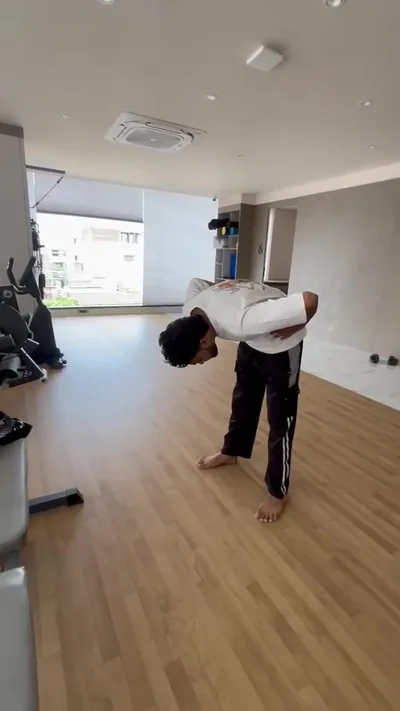
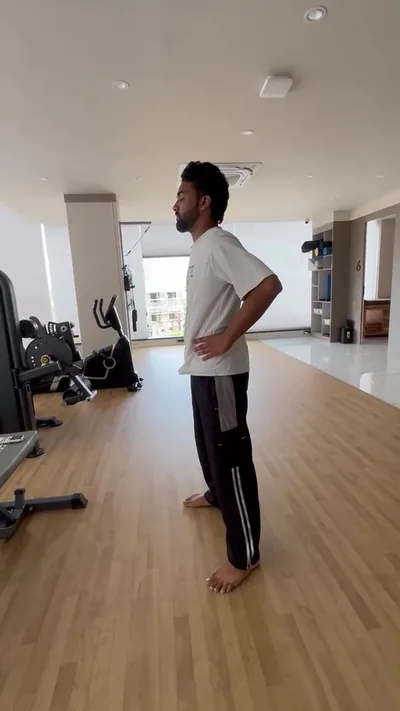
Is Side Bending Safe with L4 L5 Herniated Disc
An L4 L5 herniated disc happens when the disc between your fourth and fifth lumbar vertebrae bulges or ruptures. This presses on nearby nerves, causing pain…
Read article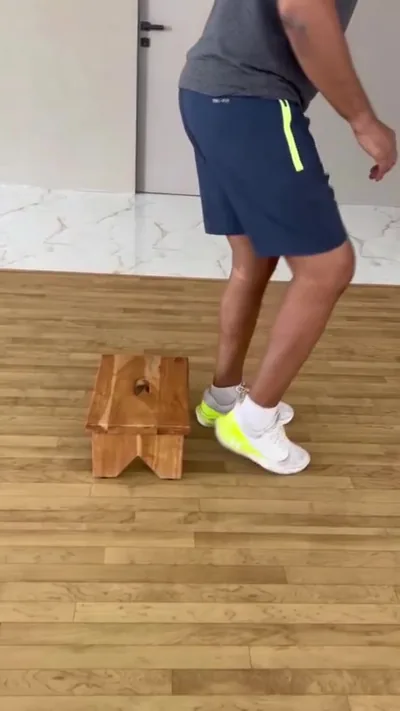

Cricket fielding puts high stress on knees. Sudden stops, dives, and quick turns often cause knee injuries in Jaipur cricketers. Common problems include ligament strains from awkward landings or rapid direction changes. Proper rehab lets you return safely to fielding.
Trivayu Physio Center in Vaishali Nagar, Jaipur treats many such cases. Our team helps with sports injury rehab. Start with an in-person assessment. This ensures your recovery fits your needs. Do not rush back without guidance.
Safe cricket knee injury recovery follows structured steps. From pain relief to agility drills, each phase builds strength. Jaipur cricket physio focuses on preventing re-injury during return to fielding cricket.
Fielding in cricket demands knee stability. Quick sprints to stop the ball stress ligaments. Dives for catches twist joints. Sudden stops from running can tear knee tissues.
Typical issues include ligament sprains or partial tears. Muscle strains around the knee also occur. These happen from fielding dives or abrupt halts. Pain, swelling, and instability follow.
Fielding stresses knees more than batting. The stop-go nature overloads joints. Without proper care, small issues worsen. Book an in-person physio check at Trivayu. We assess to spot risks early.
In Jaipur’s local cricket grounds, fielders face extra challenges. Dusty pitches add slip risks during dives. Heat causes fatigue, leading to poor form and knee overload. A physio spots these patterns during assessment. Looking for a Physiotherapist Near Me? Our team in Vaishali Nagar, Jaipur can assess you in person.
Knee rehab has clear phases. First comes pain management. Reduce swelling and restore movement. Next builds strength. Then sport-specific training returns agility.
We use Electrotherapy to ease early pain. It helps tissues heal faster. Progress to strength exercises under supervision. Supervised rehab prevents setbacks.
Each phase needs monitoring. Self-rehab risks re-injury. At Trivayu, our sports physio team guides you. Dr. Jyoti Choudhary, with sports and orthopaedics expertise, leads many cases. Recovery varies by injury type and your fitness.
Phase 1: Acute pain control. Rest the knee but avoid total immobility. Use ice packs for 15-20 minutes every few hours. Gentle range-of-motion exercises, like seated knee bends, start early. A physio checks swelling and advises on weight-bearing.
Phase 2: Strength building. Target quadriceps, hamstrings, and calf muscles. Straight-leg raises strengthen without joint stress. Wall sits build endurance. Progress to mini-squats as pain allows. Manual Therapy from our team improves joint mobility here.
Phase 3: Power and endurance. Add resistance with bands for leg presses. Step-ups mimic fielding lunges. Cycle or swim for cardio without impact. Track progress with simple tests like single-leg squats.
Start drills only after strength phase clearance. Begin with balance work. Stand on one leg, progress to unstable surfaces like foam pads. This rebuilds knee control.
Next, add knee rehab drills. Side-to-side shuffles mimic fielding moves. Keep steps short at first. Increase speed slowly. Watch knee alignment to avoid stress. Knees should track over toes, not cave inward.
Progress to agility drills knee rehab style. Ladder drills improve foot speed. Place markers 30cm apart; step in patterns like high knees or side hops. Cone drills train quick direction changes. Set cones 2-3 metres apart; sprint, touch, and pivot. Practice low dives on soft grass or mats. Catch a soft ball while dropping to one knee, then stand quickly. Always warm up with 10 minutes of light jogging and dynamic stretches. More on Knee Pain Treatment and how we assess it.
For cricket fielding after knee injury, simulate real actions. Practice chasing a rolling ball, stopping abruptly, and throwing. Start at half speed. A physio observes form to correct imbalances.
Integrate with exercise therapy. Stop if pain starts. Our team at Vaishali Nagar supervises these for safety. Do 2-3 sessions weekly, with rest days.
Knee ligament recovery needs patience. Ligaments heal slowly due to poor blood supply. Early phase protects the knee with bracing if needed. A physio fits it and teaches safe use.
Strengthen surrounding muscles to compensate. Isometric holds, where you tighten muscles without moving, suit early ligament stages. Progress to eccentric exercises, like slow lowering in squats, to build tendon strength.
Proprioception training restores joint position sense. Use wobble boards for controlled instability. This prevents future sprains during fielding pivots.
Monitor for signs of overload: sharp pain, new swelling, or giving way. Adjust drills accordingly. Orthopaedic Rehabilitation at Trivayu tailors this phase to ligament needs.
Trivayu uses modern tools for knee ligament recovery. Class IV High Power Laser Therapy reduces inflammation fast. It speeds tissue repair without drugs. Sessions last 10-15 minutes, applied directly to the knee.
Dry Needling targets tight muscles around the knee. Thin needles release trigger points in quads or hamstrings. Relief comes quickly, improving movement.
TECAR Therapy boosts blood flow for quicker healing. It warms deep tissues safely. Robotic Spinal Decompression aids if back issues link to knee pain, as poor posture alters gait. You may also find ACL Rehab Cricket Fielding Drills Phase 4 useful.
Our team has sports injury rehab Jaipur expertise. Dr. Hritika Choudhary handles advanced electrotherapy and post-op rehab. Locations in Vaishali Nagar and Vidyadhar Nagar serve Jaipur cricketers. Home visits available too. Jaipur cricket physio at Trivayu means convenient access for local players.
At your first visit, expect a full exam. The physio tests knee stability, strength, and range. They watch you walk, squat, and hop. Discuss your fielding style and injury history.
Treatment starts same day if suitable. Electrotherapy or taping for support. Home exercises get demonstrated with handouts. Follow-ups track progress, adjusting for safe knee recovery cricket.
Sessions last 45-60 minutes. Wear comfortable clothes for movement. Bring cricket shoes if practicing drills.
Seek help for ongoing knee pain after injury. Instability during walks signals issues. Swelling that returns means professional input needed. Pain on stairs or twisting mimics fielding stress.
Early intervention cuts recovery time. Trivayu Physio Center offers sports physio Vaishali Nagar. WhatsApp or call +91 90570 65065 for assessment. Online consultation starts the process.
Benefits include clear treatment plans. Friendly staff explain each step. Long-term injury rehabilitation gets focus.
Recovery time varies. Mild strains take weeks. Serious ligament injuries need months. Factors include age, fitness, and treatment start. In-person assessment gives your timeline.
Use progressive agility drills knee rehab style. Balance work first, then shuffles, ladder drills, and fielding simulations. Supervise to ensure safety. Add pivots and throws for cricket specifics.
Yes, for safe return. Self-rehab risks re-injury. Jaipur cricket physio like at Trivayu ensures proper steps.
Yes, with full rehab. Follow phases to rebuild strength and agility. Professional guidance confirms readiness. Test with match simulations before full play.
Balance holds, lateral shuffles, cone drills, and pivots. Start slow, progress under supervision for safe knee recovery cricket. Include single-leg landings for dive prep.
Return to cricket fielding safely. Follow rehab phases and drills. Trivayu Physio Center supports your journey. Book an assessment today via WhatsApp at https://wa.me/919057065065 or call +91 90570 65065.
Physiotherapy is not the right first step for everything. Seek medical assessment promptly if any of the following apply to you:
If you lose control of your bladder or bowels, develop numbness around the groin, or have chest pain or breathlessness, treat it as an emergency and go to hospital.
Truly thankful to Dr. Jyoti Choudhary and the entire team of Trivayu Physio Centre for their genuine care, humble behaviour, and excellent treatment.
Mahesh Dhaka, Google review
This is one patient's own account, published with consent on our reviews page. It describes their experience, not a predicted outcome. Individual results vary.
An L4 L5 herniated disc happens when the disc between your fourth and fifth lumbar vertebrae bulges or ruptures. This presses on nearby nerves, causing pain…
Read articleShopkeepers in Jaipur often stand for long hours behind counters. This prolonged standing can trigger sciatica pain. Sciatica happens when the sciatic nerve gets irritated, often…
Read articleHerniated disc night pain disrupts sleep for many. The disc bulge presses on nerves, causing sharp back pain or sciatica that flares up at night. Simple…
Read articleMessage us on WhatsApp with your main concern and preferred time, and we'll confirm your first visit the same day.