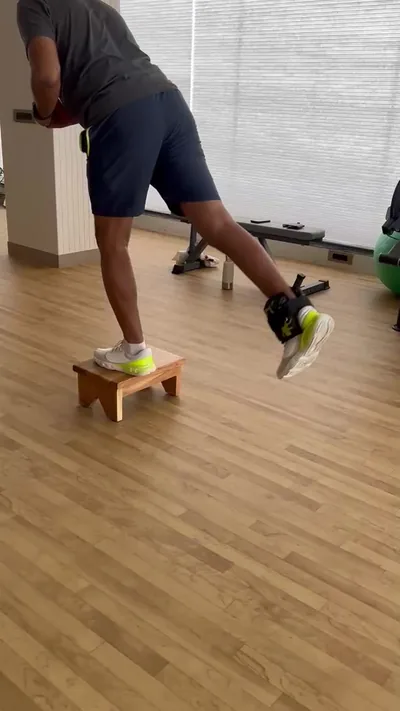
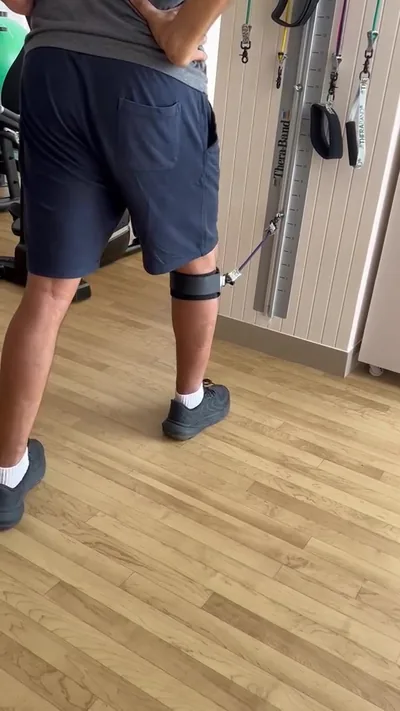
Backward Walking in ACL Rehab Phase 2
Backward walking helps athletes recover from ACL injuries. It builds knee stability in Phase 2 of rehab. This exercise targets quadriceps and improves control after surgery…
Read article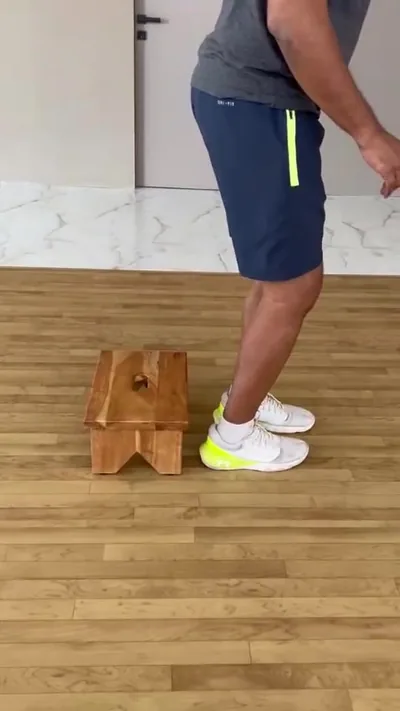

After knee replacement surgery, balance helps prevent falls. It builds confidence in daily movements like standing or walking short distances. Poor balance raises injury risk during early rehab after knee replacement. Starting gentle stability training supports knee surgery recovery. In the first week, your knee needs protection from sudden shifts in weight. Balance work strengthens supporting muscles around the joint. This aids smoother progress in overall knee replacement recovery.
Trivayu Physio Center focuses on Post-Surgery & Joint Replacement Rehab. This service aids safe progress. Always get a professional assessment first. Do not start exercises without your doctor’s or physiotherapist’s approval. A physiotherapist checks your knee’s range, strength, and stability before guiding you.
Use a sturdy chair with back support and armrests. Sit upright with feet flat on the floor. Keep your operated knee relaxed, knee cap facing forward. Do these exercises slowly. Aim for 5-10 minutes, 2-3 times a day. Stop if pain increases beyond mild discomfort. Breathe steadily throughout.
Here are four simple chair exercises for balance. A physiotherapist might demonstrate these first to ensure correct form:
In week 1 after knee replacement, focus on gentle movements to reduce stiffness. A physiotherapist tailors these to your needs during orthopaedic rehabilitation. Expect sessions to include checks on swelling, pain levels, and knee bend. Looking for a Physiotherapist Near Me? Our team in Vaishali Nagar, Jaipur can assess you in person.
Safe exercises build on chair work. Try these under guidance:
Do not force knee bend beyond what feels natural. Ice knee for 15 minutes after if swollen. Track daily improvements in a notebook: note reps completed, pain on a 0-10 scale, and knee bend angle.
Practice on a non-slip surface, like a rug on tile. Wear supportive shoes with good grip, even indoors. Breathe steadily—inhale before movement, exhale during. Watch for sharp pain, increased swelling, or dizziness. These signal to stop and call your physiotherapist.
Progress only when comfortable. Add 1-2 reps weekly. Use a mirror to check posture: shoulders back, core lightly engaged. Combine with daily walks if approved—start with 5 minutes using crutches or walker. Hydrate well and rest between sessions. For personalised advice, book a home visit or online consultation at Trivayu Physio Center. Our team guides knee replacement recovery week 1 effectively.
Once week 1 passes, stability training advances knee surgery recovery. A physiotherapist introduces standing exercises with support. Expect Orthopaedic Rehabilitation to include balance board work or single-leg stands later. In early stages, chair exercises transition to wall-supported marches: lift knees alternately while holding a wall, 10 per leg. More on Knee Pain Treatment and how we assess it.
Build stability by focusing on even weight distribution. Practice shifting weight side to side while seated, then standing. This prepares for stairs and uneven ground. Always warm up with ankle pumps first.
Seek help if knee swells more than usual, pain worsens despite rest, or balance feels unsteady during walks. Red flags include fever over 38°C, redness around incision, warmth in calf, or chest pain. These need quick checks—do not delay.
At Trivayu, Manual Therapy and Electrotherapy support post-op knee exercises. Manual Therapy uses hands to mobilise joints gently, easing stiffness. Electrotherapy applies safe currents to reduce pain and swelling. Visit us at Vaishali Nagar or Vidyadhar Nagar. Call for Orthopaedic Rehabilitation to fit your needs. Early help speeds safe recovery. You may also find Knee Replacement Balance Exercises First Month useful.
Trivayu Physio Center in Jaipur offers physiotherapy after knee replacement. Our team, including Dr. Jyoti Choudhary with sports and orthopaedics expertise, handles post knee replacement stability exercises. She assesses gait, muscle balance, and customises plans. Book an in-person assessment at 204, 2nd Floor, Om Tower, Gandhi Path Road, Nemi Nagar, Vaishali Nagar, or Rangoli Gardens, Vidyadhar Nagar.
Stick to chair-based ones like foot taps, heel lifts, single leg holds, and arm reaches. These build stability without weight-bearing stress. Follow steps above, starting slow.
Yes, if approved by your physiotherapist. They suit early rehab knee replacement by avoiding standing strain. Get form checked first.
Start with seated balance training post surgery. Add quad sets and ankle pumps. Focus on breathing and posture. Progress under guidance.
Week 1, once pain allows and doctor approves. Begin seated for safety in knee replacement recovery week 1. Advance as strength builds.
Yes, with precautions. Use these chair exercises for balance. Get professional oversight via home visit for best results and adjustments.
Sit securely on sturdy chair. Stop on sharp pain or swelling. No rushing—build reps slowly. Monitor daily, ice as needed, consult for changes.
Physiotherapist assesses knee motion, starts gentle mobilisations. Sessions last 30-45 minutes, 2-3 times weekly. Home program reinforces clinic work.
Book your assessment today at Trivayu Physio Center. WhatsApp or call +91 90570 65065. Start safe balance exercises week 1 knee replacement with expert support.
Physiotherapy is not the right first step for everything. Seek medical assessment promptly if any of the following apply to you:
If you lose control of your bladder or bowels, develop numbness around the groin, or have chest pain or breathlessness, treat it as an emergency and go to hospital.
Truly thankful to Dr. Jyoti Choudhary and the entire team of Trivayu Physio Centre for their genuine care, humble behaviour, and excellent treatment.
Mahesh Dhaka, Google review
This is one patient's own account, published with consent on our reviews page. It describes their experience, not a predicted outcome. Individual results vary.
Backward walking helps athletes recover from ACL injuries. It builds knee stability in Phase 2 of rehab. This exercise targets quadriceps and improves control after surgery…
Read articleAfter ACL surgery, rebuilding knee strength takes time and care. ACL rehabilitation phases guide this process step by step. Phase 1 protects the graft and cuts…
Read articleAfter hip replacement surgery, dressing your lower body safely helps build independence. By week 6 of hip replacement recovery, many patients aim to dress without help.…
Read articleMessage us on WhatsApp with your main concern and preferred time, and we'll confirm your first visit the same day.