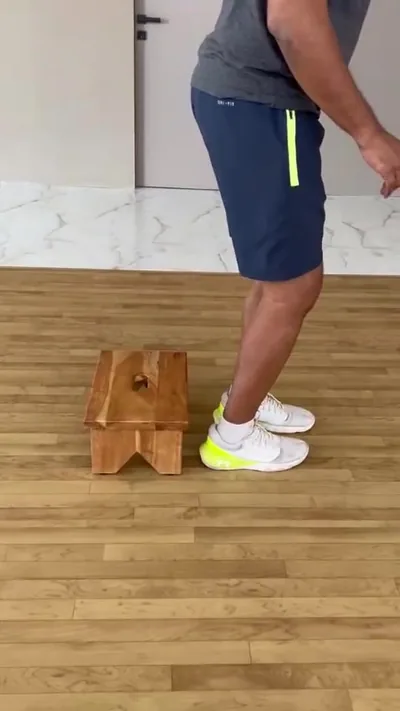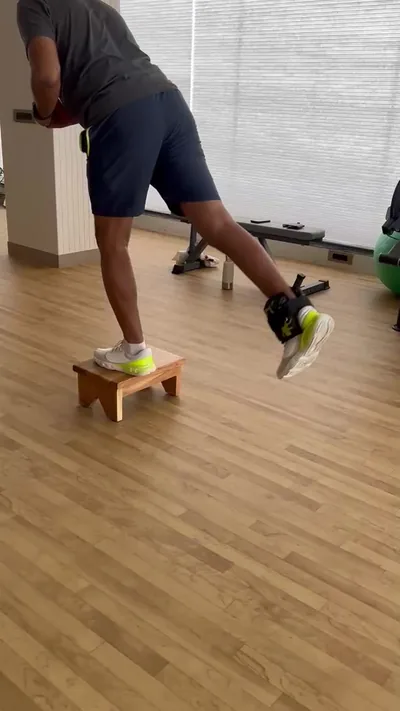
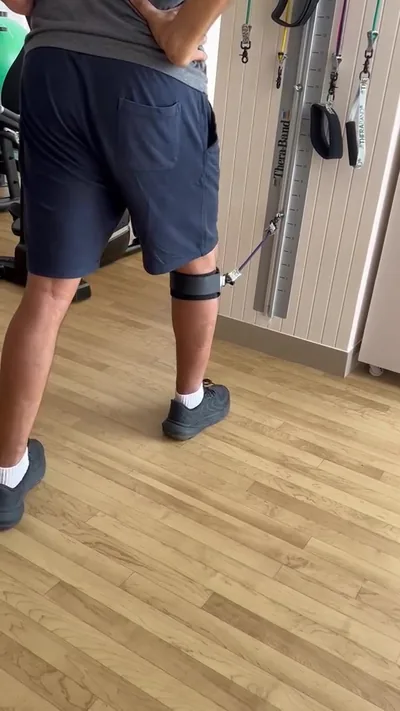
Backward Walking in ACL Rehab Phase 2
Backward walking helps athletes recover from ACL injuries. It builds knee stability in Phase 2 of rehab. This exercise targets quadriceps and improves control after surgery…
Read article

The short answer
Carpal tunnel exercises for office workers in Jaipur include nerve gliding slides, wrist flexor and extensor stretches, and gentle median-nerve mobilisations. Perform them slowly 8–10 times each, twice a day. These starter movements ease tightness around the carpal tunnel but stop if pain increases.
Carpal tunnel syndrome happens when the median nerve gets compressed inside the narrow tunnel at the front of your wrist. In Jaipur, many IT professionals and office staff spend long hours typing and using a mouse.
Early signs include tingling in the thumb, index, middle and ring fingers. You may feel numbness after typing, tingling at night that wakes you, or mild weakness when gripping a pen or cup.
Office workers in Vaishali Nagar and Vidyadhar Nagar report wrist pain after continuous laptop use. Recognising the link between repetitive strain and median nerve compression helps you act before the problem grows.
Symptoms usually begin with occasional finger tingling during or after work. Over weeks the tingling becomes more frequent and turns into constant numbness. Many people drop objects because grip strength drops.
Progression is gradual. What starts as mild discomfort can become pain that travels up the forearm. Early action with posture correction and simple changes can stop the condition from worsening. Waiting until pain is severe usually means longer recovery. Looking for a Physiotherapy Near Me? Our team in Vaishali Nagar, Jaipur can assess you in person.
You can check for possible median nerve compression with three easy tests. Perform them gently and stop if pain increases.
A positive result on any test means you should get a proper in-person assessment at a physiotherapy centre. These tests are not a diagnosis.
An ergonomic laptop setup lowers repetitive strain on the wrists and improves posture. Follow these practical points:
Posture correction forms a key part of care at Trivayu Physio Center. Good desk habits combined with regular movement reduce pressure on the median nerve.
These gentle movements can be started at home while you arrange an assessment. They focus on nerve gliding exercises, stretches and light mobilisations. Perform them slowly, 8–10 times each, twice a day. Stop if pain increases.
Nerve gliding slides: Sit with your arm at your side. Make a fist, then open the hand and extend the fingers upward. Gently bend the wrist back, then straighten the arm and tilt your head away from the working side.
Wrist flexor stretch: Extend one arm straight with palm facing up. Use the other hand to gently pull the fingers and palm downward until you feel a mild stretch in the forearm. Hold 20 seconds.
Wrist extensor stretch: Extend the arm with palm facing down. Pull the back of the hand toward you with the other hand. Hold 20 seconds. These stretches ease tightness around the carpal tunnel. Read more about our Online Consultation.
Gentle median-nerve mobilisations: Make an “OK” sign with thumb and index finger, then straighten the fingers one by one while sliding the hand forward. Repeat slowly. These exercises are general.
If tingling, numbness or wrist pain continues after one week of self-care, visit a physiotherapy centre. Persistent symptoms often need targeted care such as manual therapy, Class IV High Power Laser Therapy, Advanced Electrotherapy or Dry Needling.
Trivayu Physio Center in Vaishali Nagar offers Orthopaedic Physiotherapy, Posture Correction, Pain Management and Exercise Therapy. Our team includes senior physiotherapists experienced in nerve-related wrist conditions. Early treatment helps office workers return to comfortable computer work.
The earliest signs are tingling or numbness in the thumb, index, middle and ring fingers. Symptoms often appear at night or after long hours of typing and may include mild grip weakness. You may also find Exercises for Thumb Pain from Phone Use useful.
Use Phalen’s test, Tinel’s sign and the prayer test. Follow the step-by-step instructions given above. A positive result means you should book an in-person assessment rather than rely on self-tests alone.
Keep the screen at eye level, wrists straight on a flat keyboard, mouse at the same height as the forearm, feet flat on the floor and take breaks every 45 minutes. These changes reduce wrist strain and support better posture.
Gentle nerve gliding slides, wrist flexor and extensor stretches, and median-nerve mobilisations can be tried. Perform them slowly and stop if pain increases. These are starter movements only; professional guidance is essential for lasting relief.
See a physiotherapist when symptoms last more than one week, interfere with sleep or daily tasks, or when self-tests are positive. Early care helps reduce progression and supports faster return to normal function.
Simple changes at your desk and the right carpal tunnel exercises Jaipur can make a real difference for office workers. Book an assessment at Trivayu Physio Center in Vaishali Nagar. Call +91 90570 65065 or message on WhatsApp to arrange a convenient time.
Physiotherapy is not the right first step for everything. Seek medical assessment promptly if any of the following apply to you:
If you lose control of your bladder or bowels, develop numbness around the groin, or have chest pain or breathlessness, treat it as an emergency and go to hospital.
Backward walking helps athletes recover from ACL injuries. It builds knee stability in Phase 2 of rehab. This exercise targets quadriceps and improves control after surgery…
Read articleAfter ACL surgery, rebuilding knee strength takes time and care. ACL rehabilitation phases guide this process step by step. Phase 1 protects the graft and cuts…
Read articleAfter hip replacement surgery, dressing your lower body safely helps build independence. By week 6 of hip replacement recovery, many patients aim to dress without help.…
Read articleMessage us on WhatsApp with your main concern and preferred time, and we'll confirm your first visit the same day.