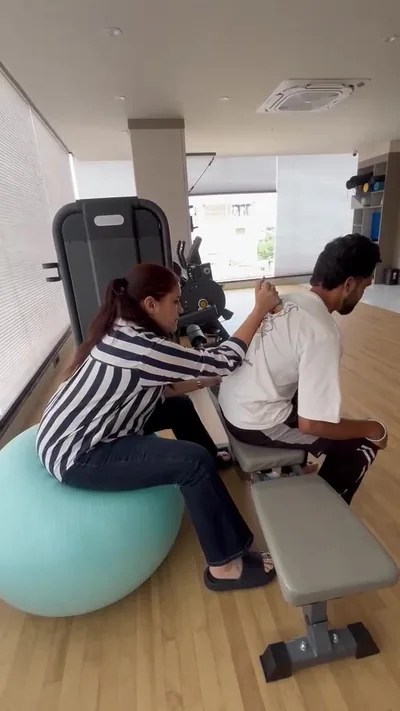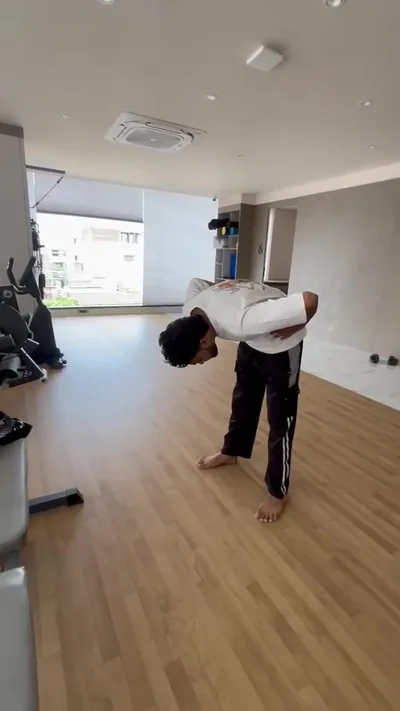
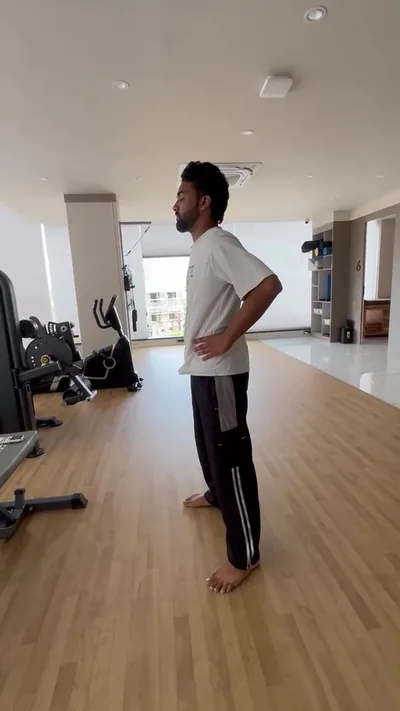
Is Side Bending Safe with L4 L5 Herniated Disc
An L4 L5 herniated disc happens when the disc between your fourth and fifth lumbar vertebrae bulges or ruptures. This presses on nearby nerves, causing pain…
Read article

ACL rehab happens in stages. Phase 1 protects the knee after injury or surgery. It focuses on reducing swelling and regaining basic movement. Phase 2 follows once you walk without a limp and bend your knee fully. This stage builds strength and control for daily tasks and light sports drills. Lateral hops fit into phase 2 ACL rehab. They teach the knee to handle side forces safely.
Sports return after ACL needs careful steps. Agility training after ACL starts with simple patterns. Lateral hops restore quick direction changes. They mimic cuts in football or tennis. Knee strengthening hops like these build muscle power around the joint. Progression in distance and height matches your healing pace.
In Jaipur, clinics like Trivayu Physio Center guide patients through ACL recovery stages. A physiotherapist assesses your readiness. They watch your form and adjust based on your progress. Always get an in-person check before new exercises. This article details lateral hops progression. It covers benefits, steps, safety and supporting work.
ACL recovery stages build on each other. Phase 1 lasts 2-4 weeks post-injury. You work on straight-leg raises and gentle bending. Phase 2 starts when those basics feel easy. It lasts 4-8 weeks. Goals include single-leg stands and controlled squats.
Lateral hops enter here as plyometric work. Plyometrics mean quick jumps that load the muscles. These hops challenge knee stability side-to-side. They improve agility training after ACL by training the muscles that stop inward knee roll. For sports returners, they bridge gym work to field practice. Looking for a Physiotherapist in Jaipur? Our team in Vaishali Nagar, Jaipur can assess you in person.
A physiotherapist explains how lateral hops fit your plan. They check graft healing if surgery happened. Poor timing risks setback. Orthopaedic Rehabilitation at clinics helps track these stages.
Progression means small changes over time. Increasing distance works the push-off muscles harder. Your gluteus medius and quadriceps drive the jump. Landing farther teaches control over a longer path.
Adding height boosts explosive power. You recruit fast-twitch fibres in the calf and thigh. This mimics jumping for a header or rebound. Both changes strengthen the knee against twists. They build trust in the joint for sports return ACL goals. More on Sciatica Treatment and how we assess it.
Safe progression prevents overload. Jump too far too soon, and the knee buckles. Start low and track how your body responds. A physio spots when to advance.
Knee strengthening hops support phase 2 ACL rehab by adding dynamic load.
Master each level before the next. Do sessions twice a week. Rest 48 hours between. Warm up with 10 minutes cycling and dynamic stretches. Cool down with ice if warm.
Do 3 sets of 6-8 reps per leg. Land soft every time. Knees bend 30-45 degrees on impact. Hips level, no lean.
Common errors: Knee caves in (valgus), early fatigue, or arm swing that pulls you off balance. Use a mirror or video. Breathe out on jump, in on land.
Match to phase 2 ACL rehab timeline. Adjust for your pain-free days.
Phase 2 ACL rehab uses hop progression distance height to layer demands. Slow progress beats fast failure.
Watch for red flags daily. Sharp pain, new swelling, or giving way means stop. Ice 15 minutes post-session. Elevate if puffy. No heat early on. You may also find ACL Rehab Lateral Hops Phase 3 useful.
Prerequisites before hops: Walk 10 minutes no limp. Squat to 90 degrees balanced. Single-leg stand 30 seconds eyes closed. Hop test: 10 straight-line hops pain-free.
See a physio if stuck. They use hands-on checks for muscle tightness. Manual Therapy releases tight bands before plyos. In Jaipur, Trivayu Physio Center in Vaishali Nagar spots form flaws. Their team oversees sports return ACL safely. Do not solo if past swelling lingers.
Hops alone lack base. Pair with these for full knee strengthening hops routine.
Electrotherapy like TENS eases soreness after. Clinics tailor these to your ACL recovery stages. A physio integrates them into weekly plans.
Sports return ACL demands more than strength. Agility training after ACL tests reactions. After mastering lateral hops, add sport drills. Dribble a ball while hopping patterns. Practice cutting with a partner pass.
Physios time this for 4-6 months post-op typically. Test battery checks readiness: Hop tests, Y-balance, or single-leg hop distance. Equal legs mean green light.
Trivayu Physio Center in Vidyadhar Nagar offers sports injury oversight. Dr. Jyoti Choudhary and team run group sessions for returners.
Phase 2 builds controlled power after basics. Lateral hops train side-to-side agility safely. They follow line hops and lead to runs.
Add 10-20 cm distance or 2-5 cm height weekly if landings perfect. Rest 48 hours. Video check form.
After physio clearance, often 12-16 weeks. Full bend, no pain squat first. Varies by person.
They boost power, stability and sports confidence. Key for safe agility training after ACL.
Trivayu Physio Center in Vaishali Nagar and Vidyadhar Nagar. Sports specialists guide hop progression.
Lateral hops aid ACL recovery stages when progressed right. Combine with guidance for best results. Book assessment at Trivayu Physio Center for your knee rehab plan. WhatsApp or call +91 90570 65065.
Physiotherapy is not the right first step for everything. Seek medical assessment promptly if any of the following apply to you:
If you lose control of your bladder or bowels, develop numbness around the groin, or have chest pain or breathlessness, treat it as an emergency and go to hospital.
Truly thankful to Dr. Jyoti Choudhary and the entire team of Trivayu Physio Centre for their genuine care, humble behaviour, and excellent treatment.
Mahesh Dhaka, Google review
This is one patient's own account, published with consent on our reviews page. It describes their experience, not a predicted outcome. Individual results vary.
An L4 L5 herniated disc happens when the disc between your fourth and fifth lumbar vertebrae bulges or ruptures. This presses on nearby nerves, causing pain…
Read articleShopkeepers in Jaipur often stand for long hours behind counters. This prolonged standing can trigger sciatica pain. Sciatica happens when the sciatic nerve gets irritated, often…
Read articleHerniated disc night pain disrupts sleep for many. The disc bulge presses on nerves, causing sharp back pain or sciatica that flares up at night. Simple…
Read articleMessage us on WhatsApp with your main concern and preferred time, and we'll confirm your first visit the same day.