Backward Walking in ACL Rehab Phase 2
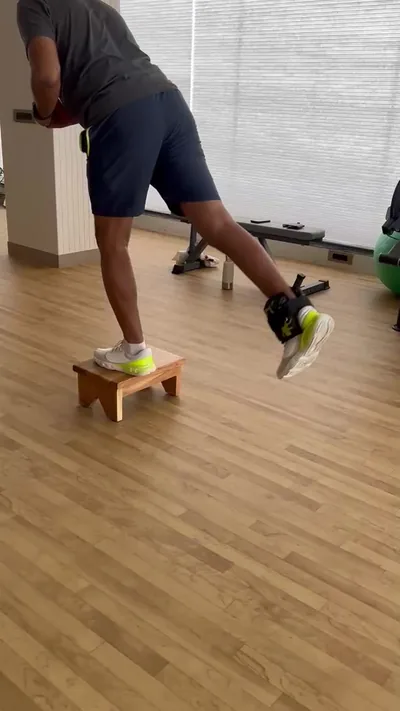
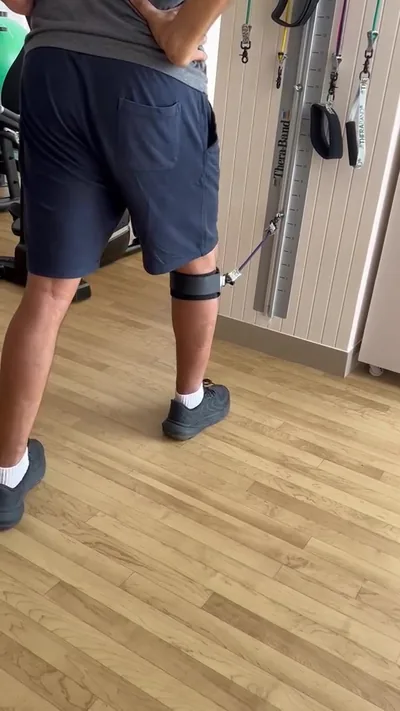
Backward walking helps athletes recover from ACL injuries. It builds knee stability in Phase 2 of rehab. This exercise targets quadriceps and improves control after surgery…
Read article
Badminton players in Jaipur love the jump smash. It delivers power but stresses the knees. Poor landings cause knee strain or worse injuries. This guide focuses on landing technique drills to protect your knees during badminton jump smashes.
Jaipur’s fast-paced courts demand quick moves. Repeated jumps without proper form lead to badminton knee pain. Simple changes in landing build resilience. Drills and exercises help you play safely longer. Badminton knee strain often comes from sudden stops or twists after landing. Knee protection exercises badminton style target these weak points.
Master these steps to cut knee risks. Prevention beats recovery. Local players use these to stay on court. Safe landing badminton starts with awareness of how force travels up the leg.
Jump smashes require explosive jumps. You leap high, hit the shuttle, then land. Knees absorb the impact. Hard surfaces like Jaipur badminton courts add force. The patellar tendon takes much of the load during descent.
Common stresses include twisting on landing. Knees bend awkwardly under body weight. This strains ligaments and cartilage. Badminton knee strain builds over matches. Valgus stress—knees caving inward—happens during side smashes. Heat in Jaipur makes sweat reduce grip, leading to slips on landing. Looking for a Physiotherapist in Jaipur? Our team in Vaishali Nagar, Jaipur can assess you in person.
Jaipur players face heat and long sessions. Dehydration tightens muscles, worsening landings. Without protection strategies, knee injury badminton Jaipur becomes common. Early habits prevent this. Overuse from weekend tournaments adds to patellofemoral pain, where kneecap grinds against thigh bone.
Start with soft knees. Bend them on landing to spread impact. Avoid locking knees straight. Absorb force over 0.2-0.3 seconds, not instantly.
Land balanced. Use the forefoot first, then roll to full foot. Keep weight centred over toes. This is landing technique badminton at its best. Forefoot landing shifts load to calves and Achilles, sparing knees.
Control hips. Tuck them slightly forward. Engage core for stability. In badminton court movements, shift weight smoothly from smash to ready position. Avoid leaning back, which forces knees forward.
Practice toe-to-heel roll. It reduces jolt to knees. Align knees over toes to avoid side strain during safe landing badminton. Eyes stay on shuttlecock post-landing to guide next move without twisting.
For jump smash landing drills, visualise the shuttle’s path. This keeps head up and body aligned. Breathe out on landing to relax muscles.
Build muscle memory with progressive drills. Do them 3-4 times weekly. Start slow, add jumps later. Warm up with 5 minutes light jogging and dynamic leg swings. More on Knee Pain Treatment and how we assess it.
Focus on repetition. Each drill teaches knee protection exercises badminton. Film yourself or use a mirror to check knee tracking.
Progress from static to dynamic. Rest 60 seconds between sets to recover form.
These jump smash landing drills prevent badminton knee pain when prevention fails. Track form in mirror first. If knees wobble, slow down. Integrate into cool-downs for habit building.
Strong muscles protect knees. Tailor for badminton with quick power moves. Include posture and core stability. Focus on eccentric control—slow lowering—to mimic landing.
Do these twice weekly. Warm up first. They boost knee resilience for protect knees badminton smash play. Pair with foam rolling calves and quads post-session to ease tightness.
Badminton knee rehab starts with rest from jumps but keeps gentle movement. Ice swollen areas 15 minutes, 3-4 times daily. Compression wrap supports without squeezing.
A physiotherapist assesses gait and landing form. They check for muscle imbalances, like weak vastus medialis oblique (inner quad) common in racket sports. Tape or braces may guide knee tracking temporarily. You may also find ACL Rehab Proprioception Drills for Badminton in Jaipur useful.
Progression: Isometrics first—hold squat position 10-20 seconds. Then controlled bends. Return to sport drills only when pain-free. Manual Therapy releases tight tissues around knee. Electrotherapy reduces swelling and pain. Orthopaedic Rehabilitation rebuilds strength safely.
For knee rehab badminton players Jaipur, expect 4-6 weeks for mild strain with consistent work. Track pain on 0-10 scale; stay below 3 during exercises.
Watch for signs of trouble. Persistent pain after play signals strain. Swelling, clicking, or instability means see a pro. Pain on stairs or squatting points to patellar issues.
Do not ignore. Early check prevents worse damage. At Trivayu Physio Center in Vaishali Nagar, Jaipur, experts assess badminton knees.
Dr. Jyoti Choudhary, with 17+ years in sports physiotherapy, handles Orthopaedic Rehabilitation and Sports Injury & Rehab. Dr. Hritika Choudhary uses advanced Electrotherapy for pain relief. They treat knee rehab badminton players Jaipur style.
Also at Vidyadhar Nagar. Book for in-person check. Home visits available. Physiotherapists guide safe return with sport-specific tests.
Use soft landings, strengthen legs, and drill proper form. Focus on bent knees and balanced weight. Add daily calf stretches.
Land forefoot first, bend knees, tuck hips, keep core tight. Practice toe-to-heel roll. Align with shuttle path.
Yes. Clinics like Trivayu Physio Center offer assessment and tailored rehab for knee injury badminton Jaipur.
Try wall drops, box landings, shadow smashes, partner feeds, and court circuits. Repeat for muscle memory. Progress slowly.
If pain lasts post-play, or you have swelling, instability. Get checked before it worsens. Include jumping test.
Squats, lunges, calf raises, planks, single-leg hops, step-ups, glute bridges. Twice weekly with eccentric focus.
Apply these tips now. Build safe habits for lasting badminton fun. Knees last longer with care. Consistent drills turn good form into instinct.
Book an assessment at Trivayu Physio Center today. WhatsApp or call +91 90570 65065.
Physiotherapy is not the right first step for everything. Seek medical assessment promptly if any of the following apply to you:
If you lose control of your bladder or bowels, develop numbness around the groin, or have chest pain or breathlessness, treat it as an emergency and go to hospital.
Truly thankful to Dr. Jyoti Choudhary and the entire team of Trivayu Physio Centre for their genuine care, humble behaviour, and excellent treatment.
Mahesh Dhaka, Google review
This is one patient's own account, published with consent on our reviews page. It describes their experience, not a predicted outcome. Individual results vary.
Backward walking helps athletes recover from ACL injuries. It builds knee stability in Phase 2 of rehab. This exercise targets quadriceps and improves control after surgery…
Read articleAfter ACL surgery, rebuilding knee strength takes time and care. ACL rehabilitation phases guide this process step by step. Phase 1 protects the graft and cuts…
Read articleAfter hip replacement surgery, dressing your lower body safely helps build independence. By week 6 of hip replacement recovery, many patients aim to dress without help.…
Read articleMessage us on WhatsApp with your main concern and preferred time, and we'll confirm your first visit the same day.