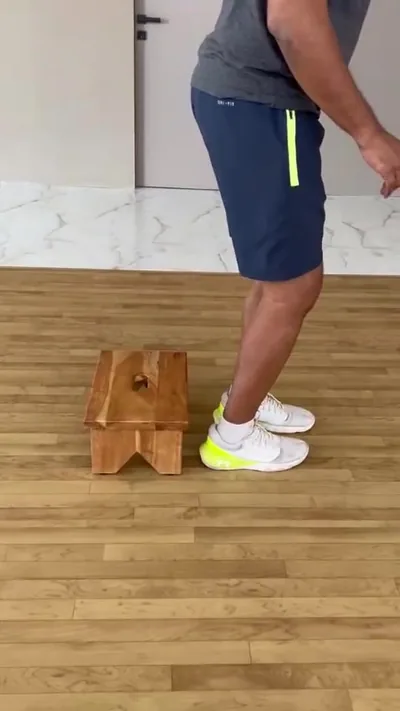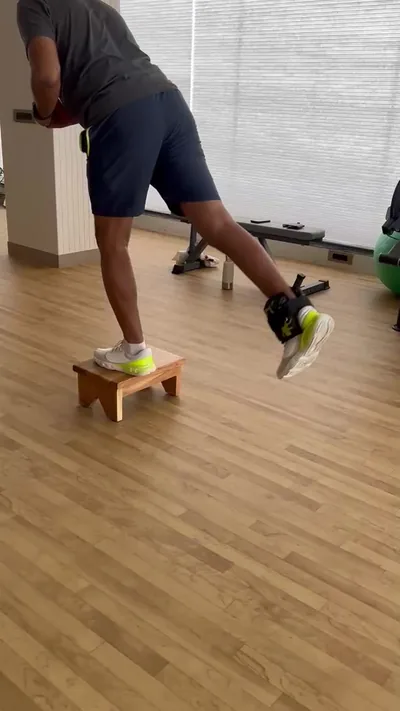
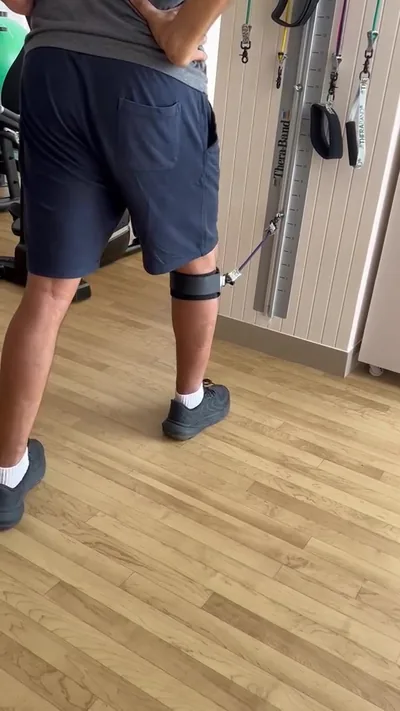
Backward Walking in ACL Rehab Phase 2
Backward walking helps athletes recover from ACL injuries. It builds knee stability in Phase 2 of rehab. This exercise targets quadriceps and improves control after surgery…
Read article

The short answer
Cricket demands much from ankles with quick turns, sudden stops and awkward landings that can stretch or twist the joint. A progressive stability programme builds control and may lower sprain chances for amateur players in Jaipur. It improves joint control and muscles around it for better reactions.
Cricket demands a lot from your ankles. Quick turns while fielding, sudden stops when bowling, and awkward landings can stretch or twist the joint. A progressive stability programme that includes ankle strengthening for cricket helps build control and may lower the chance of sprains. This six-week plan is for amateur and weekend players in Jaipur.
Start slowly. Stop if you feel sharp pain. The programme is general guidance only. An in-person assessment at Trivayu Physio Center is the safest way to check your ankle health before you begin.
During a match your ankles absorb force when you land after a leap, change direction to chase a ball, or plant your front foot while bowling. These movements need strength and quick reactions. Weak ankles or poor balance raise the risk of rolling the joint outward, the most common ankle sprain in cricket.
Progressive stability training improves joint control and the muscles around it. It does not guarantee you will stay injury-free but forms an important part of pre-season cricket prep. Lower limb strength for cricket also supports knees and hips. Looking for a Physiotherapy Near Me? Our team in Vaishali Nagar, Jaipur can assess you in person.
Before starting, check how your ankles move and how well you balance. At home, sit with your knee straight and draw circles with your foot. Count pain-free circles in each direction.
Next, stand on one leg for 20 seconds with eyes open. If you cannot hold steady or the ankle wobbles, balance needs work. Close your eyes for 10 seconds and note what you feel. These are rough guides only.
A proper assessment by a sports physiotherapist is essential. At Trivayu Physio Center in Vaishali Nagar or Vidyadhar Nagar our team checks joint movement, strength and control before clearing you for a progressive stability programme. Book an assessment if you have had a recent sprain or feel unsteady. Read more about our Sports Injury & Rehab.
Focus on gentle movement and simple strength. Perform daily.
Keep movements smooth. These ankle mobility drills prepare the joint for later balance work.
Add single-leg work to train proprioception. Do four days a week.
These exercises mimic balance needed for landing or changing direction. Stop if your ankle feels unstable.
Link balance to cricket movements. Perform under guidance when possible.
A sports physiotherapist should supervise this phase. At Trivayu Physio Center, Dr. Jyoti Choudhary and Dr. Ishu Sharma guide cricketers through sport-specific rehab in Jaipur.
Self-training helps general preparation. Seek help if pain lasts more than a few days, swelling returns, or the ankle gives way during walking. Recurring sprains need expert review.
At Trivayu Physio Center our team uses manual therapy, Class IV high power laser therapy, dry needling, and clinical exercise therapy. We offer orthopaedic physiotherapy, sports injury rehab and clinical pilates. Clinics are in Vaishali Nagar and Vidyadhar Nagar. Home visits and online consultations are available. You may also find Ankle Sprain Recovery in Cricket: Physio Tips useful.
Single-leg balance, towel scrunches, resistance-band work and controlled lateral hops target muscles for quick cricket movements. A physiotherapist can adapt them to your level.
Follow a progressive stability programme from double-leg to single-leg work then to cutting and pivoting drills. Proprioception training on unstable surfaces helps the ankle react faster. Combine with overall lower limb strength for cricket.
Begin at least six to eight weeks before matches start. This allows time for the three phases without rushing the body.
Yes. A sports physiotherapist can assess why sprains keep happening, treat tight tissues, strengthen weak areas and guide return-to-play. Dry needling, laser therapy and supervised exercise are often used.
A resistance band, small towel, firm cushion and light medicine ball cover most drills. Proper cricket shoes with ankle support are important during practice.
Building ankle strength and balance takes steady effort. A progressive programme can help amateur cricketers feel more confident on the field. For personalised guidance, visit Trivayu Physio Center in Vaishali Nagar or Vidyadhar Nagar. Our team, including senior sports physiotherapists who have worked with the Rajasthan Senior Women’s Cricket Team, can assess your ankles and design a safe plan.
Call +91 90570 65065 or message us on WhatsApp to book an assessment.
Physiotherapy is not the right first step for everything. Seek medical assessment promptly if any of the following apply to you:
If you lose control of your bladder or bowels, develop numbness around the groin, or have chest pain or breathlessness, treat it as an emergency and go to hospital.
I want to express my sincere gratitude for your exceptional professional care and the efforts and contribution in healing my injury in such short time.
Nisha Gurjar, Google review
This is one patient's own account, published with consent on our reviews page. It describes their experience, not a predicted outcome. Individual results vary.
Backward walking helps athletes recover from ACL injuries. It builds knee stability in Phase 2 of rehab. This exercise targets quadriceps and improves control after surgery…
Read articleAfter ACL surgery, rebuilding knee strength takes time and care. ACL rehabilitation phases guide this process step by step. Phase 1 protects the graft and cuts…
Read articleAfter hip replacement surgery, dressing your lower body safely helps build independence. By week 6 of hip replacement recovery, many patients aim to dress without help.…
Read articleMessage us on WhatsApp with your main concern and preferred time, and we'll confirm your first visit the same day.