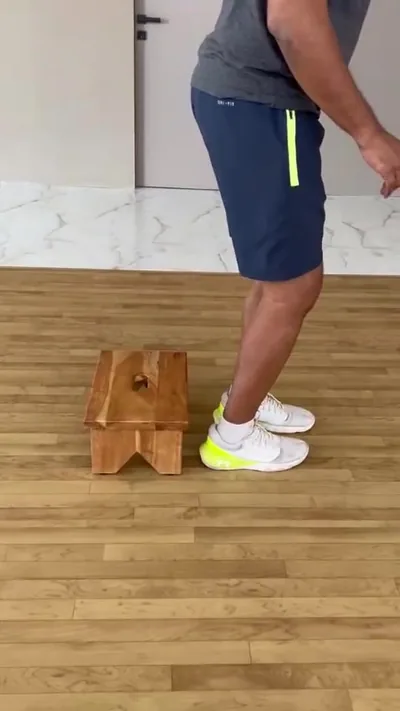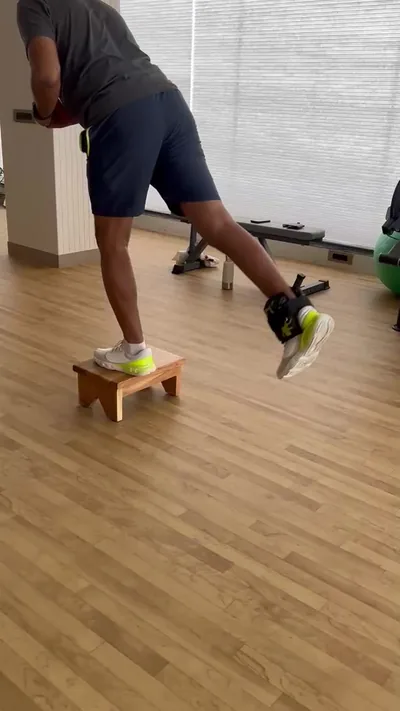
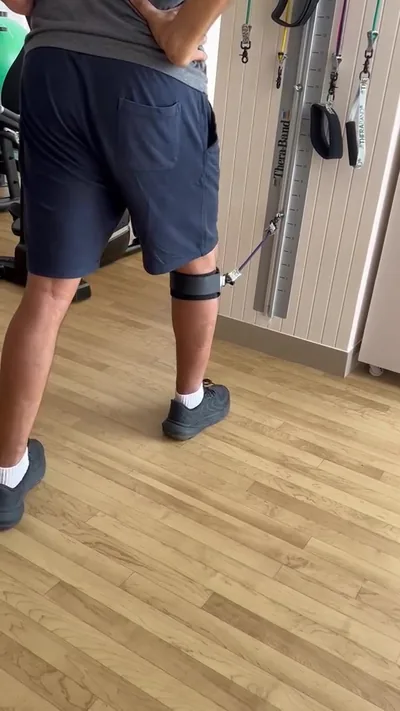
Backward Walking in ACL Rehab Phase 2
Backward walking helps athletes recover from ACL injuries. It builds knee stability in Phase 2 of rehab. This exercise targets quadriceps and improves control after surgery…
Read article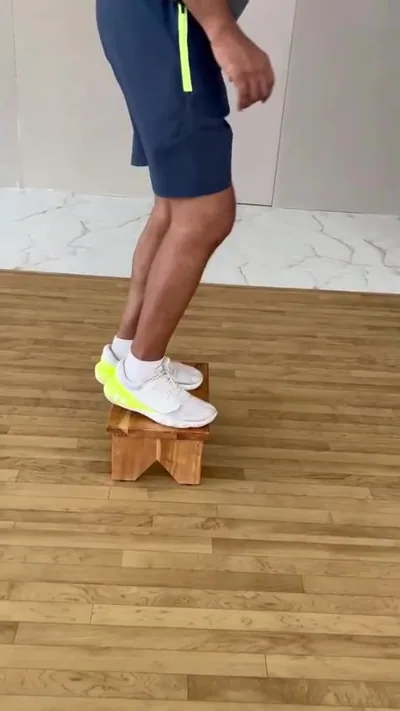
Ankle fractures happen when ankle bones break from twist or impact. Weight bearing means pressure on the injured foot.
Recovery has stages: non-weight bearing, partial, full. These match healing phases. Crutches help early. Physiotherapy supports each. Get an in-person assessment. Fracture type affects timeline.
Trivayu offers orthopaedic physiotherapy and sports injury rehab at Vaishali Nagar and Vidyadhar Nagar. Dr. Jyoti Choudhary, with 17+ years in sports and orthopaedics, provides care.
Weight bearing after ankle fracture is load on the foot when standing or walking. It starts non-weight bearing: no pressure, full crutches. Partial follows: light foot touch. Looking for a Physiotherapy Near Me? Our team in Vaishali Nagar, Jaipur can assess you in person.
Stages aid progression. Non-weight bearing until fracture stabilises. Full: no aids. Timelines vary by stability, surgery, health. Get professional assessment.
Healing has stages. First, inflammatory stage: swelling and pain peak as body cleans the break and forms a blood clot.
Next, repair stage: soft callus forms from new tissue, then turns into firm bone. X-rays show bridge between bone ends.
Final, remodelling stage: bone reshapes and strengthens over time. Full weight enters here as bone handles normal stress. Doctor uses scans to confirm.
Progression starts with crutches, non-weight bearing for bone stability. Move to partial when X-ray shows early healing: use one crutch on the opposite side.
If surgery with plate or screws, protected weight may start sooner under guidance. Without surgery, casts or boots direct the pace. Always follow your doctor’s plan.
Physiotherapist assesses weekly: tests pain on touch, swelling size, and simple stands. Adjust based on your response.
Non-weight bearing means zero pressure on the foot. Use two crutches or a walker, keep the foot off the ground completely.
Expect ongoing swelling and pain, especially after activity. Elevate the leg above heart level when seated. Apply ice wrapped in cloth for 15-20 minutes every 2-3 hours. Read more about our Orthopaedic Physiotherapy.
Build upper body and core strength with seated exercises like wall pushes or arm circles, 10 reps twice daily.
Partial weight bearing allows some load on the foot, starting with toe-touch: just the toes contact ground for balance, no heel pressure.
Use one crutch on the opposite side. Step forward with the crutches and injured leg, lower the heel slowly to the floor.
Pain should stay low and dull, not sharp or increasing. Stop if pain rises and inform your doctor.
Shift weight side to side, 10 reps. This preps muscles without full load.
Physiotherapy starts as soon as doctor allows, often in non-weight phase.
In non-weight bearing: trace the alphabet in the air with your big toe, 2-3 sets daily.
Partial weight phase: scrunch a towel with toes, 20 times per foot. Slide heel towards you on a smooth bed, 10 reps.
Electrotherapy like TENS reduces pain signals. Cupping draws out swelling. Dry needling releases calf muscle knots. Clinical Pilates builds core stability for balance. Dr.
Full weight phase: rise onto toes for heel raises, 10 reps, 2 sets. Use a wobble board for balance holds, 30 seconds.
Throughout, track with a journal: note pain levels before/after exercises, distance covered. Trivayu adjusts for sports return, like agility drills.
Safe walking builds from crutches to unassisted steps.
Wear shoes with firm heel counters and arch support; avoid soft slippers. Skip uneven ground like grass or gravel until steady.
Physiotherapist spots limp patterns and applies kinesio tape for stability.
End walks with ankle circles and calf stretches: stand facing wall, back leg straight, hold 20-30 seconds. This prevents tightness.
Physiotherapy builds strength, mobility, and balance for safe weight progression. Exercise therapy targets calf, peroneal, and tibialis muscles. Manual therapy frees stiff joints.
Trivayu offers clinical Pilates, exercise therapy, dry needling, cupping. Team excels in sports rehab. Dr. Jyoti serves Rajasthan Senior Women’s Cricket Team. Dr. Ajit handles post-op recovery.
Start transition when partial weight feels easy for 20 minutes without aids nearby. Drop to one crutch first: use it for longer walks, then switch sides. You may also find Meniscus Repair Crutches Timeline in Jaipur useful.
Wean over several days. Test unsupported walking for 1 minute on flat ground. Add side steps or figure-eights for control.
Normal walking shows even stride length, no pain after 30 minutes, and ability to turn corners smoothly. Rest if fatigue or swelling returns.
Progressive weight bearing follows doctor clearance at each step. From non-weight, advance to toe-touch when bone shows initial union on X-ray. Use a boot or cast for protection.
Practice in short bursts.
Physiotherapist supervises: stand on one leg briefly, progress to marches in place. Monitor skin colour—no blue tint means good circulation.
Key signs include reduced swelling to touch, low pain on gentle pressure, X-ray evidence of healing, and ability to lift foot without wobble.
Red flags demand immediate check: rising pain, new or worsening swelling, redness, warmth, or fever. These signal infection or setback.
With crutches, keep elbows bent 30 degrees, weight through hands, upright posture to avoid back arch. For partial, shift weight gradually over 5 counts per step.
Strengthen daily: towel scrunches under foot, heel raises off a step. Ice and elevate after sessions.
Book an in-person assessment at Trivayu for a personalised plan.
Depends on fracture type, surgery, and healing. Non-weight often for initial weeks. Doctor checks X-rays before change. Get assessed.
Varies widely. Non-weight phase leads to partial, then full over time. Factors like age and health play a role. Seek professional guidance.
When you manage full weight pain-free with good strength and balance. Doctor and physio must approve. In-person assessment confirms readiness.
Not until doctor clears it. Early walking risks poor healing. Follow stages: non, partial, full. Physiotherapy makes it safe.
Trivayu provides exercise therapy, manual therapy, electrotherapy. Sports rehab supports return. Available at Vaishali Nagar and Vidyadhar Nagar.
Ankle fracture weight bearing progresses from crutches to full steps. Trivayu physiotherapy aids safe recovery. Each case varies; expert input is key.
Book your assessment. WhatsApp or call +91 90570 65065.
Physiotherapy is not the right first step for everything. Seek medical assessment promptly if any of the following apply to you:
If you lose control of your bladder or bowels, develop numbness around the groin, or have chest pain or breathlessness, treat it as an emergency and go to hospital.
Truly thankful to Dr. Jyoti Choudhary and the entire team of Trivayu Physio Centre for their genuine care, humble behaviour, and excellent treatment.
Mahesh Dhaka, Google review
This is one patient's own account, published with consent on our reviews page. It describes their experience, not a predicted outcome. Individual results vary.
Backward walking helps athletes recover from ACL injuries. It builds knee stability in Phase 2 of rehab. This exercise targets quadriceps and improves control after surgery…
Read articleAfter ACL surgery, rebuilding knee strength takes time and care. ACL rehabilitation phases guide this process step by step. Phase 1 protects the graft and cuts…
Read articleAfter hip replacement surgery, dressing your lower body safely helps build independence. By week 6 of hip replacement recovery, many patients aim to dress without help.…
Read articleMessage us on WhatsApp with your main concern and preferred time, and we'll confirm your first visit the same day.