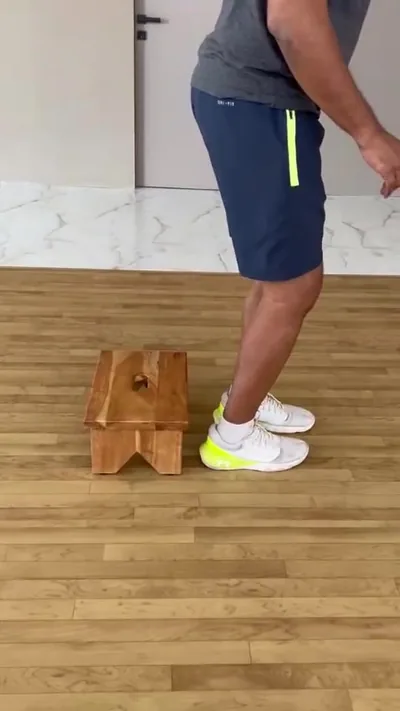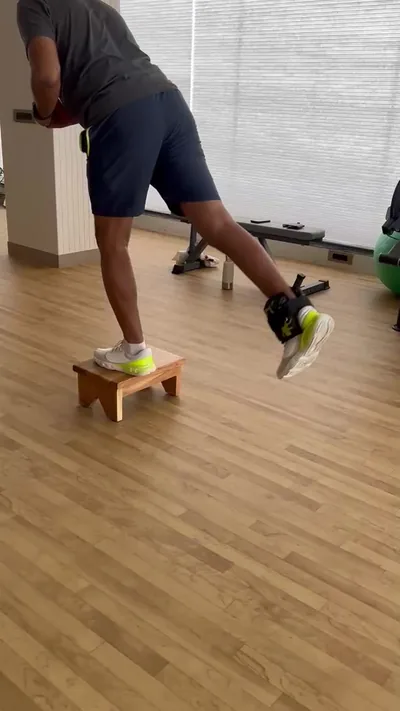
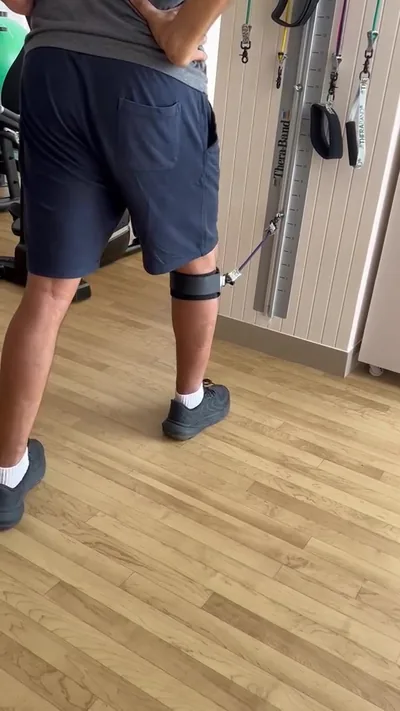
Backward Walking in ACL Rehab Phase 2
Backward walking helps athletes recover from ACL injuries. It builds knee stability in Phase 2 of rehab. This exercise targets quadriceps and improves control after surgery…
Read article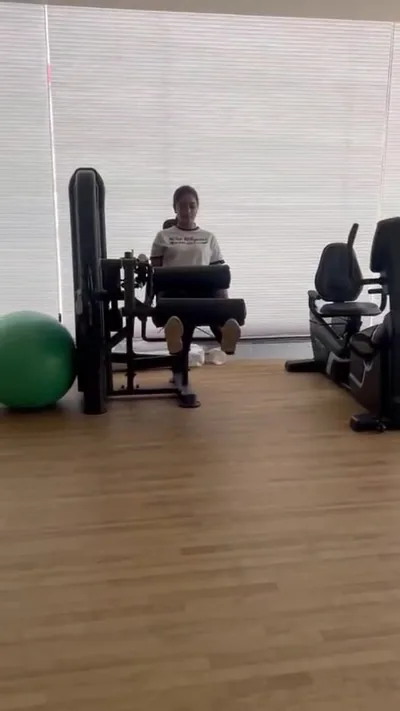
Swelling in the knee after squats worries people in ACL rehabilitation phase 3. This phase builds knee stability with strength training. Squats regain power but can cause inflammation if unmanaged. Quick control keeps progress on track. Get an in-person check for your case.
Phase 3 uses higher loads like squats. Post-squat swelling signals care is needed. Triggers include too much volume, poor form or sudden intensity jumps. Strategies reduce this without halting gains. Jaipur physio ACL experts guide safe steps.
Trivayu Physio Center in Jaipur handles ACL recovery. Their team supports sports rehab. This piece shares steps to control ACL swelling after squats, including knee swelling management and strength training ACL tips.
ACL phase 3 builds strength after protection and control stages. Add squats to boost knee muscles. These mimic daily and sports moves like running or jumping. Looking for a Physiotherapy Clinic Near Me? Our team in Vaishali Nagar, Jaipur can assess you in person.
Squats stress the knee joint and tissues. In a healing ACL, this causes inflammation. Fluid builds as the body responds to load. Triggers: high volume, bad form like knees caving or heels lifting, fatigue, weak hips, dehydration or poor warm-up.
Management avoids setbacks. Track daily with tape measure at knee’s widest point. Note if swelling lasts over 48 hours or worsens. Balance challenge and recovery. Physio assessment fits your plan.
In phase 3, goal is controlled loading. Physiotherapists check graft healing, muscle balance and range before clearing higher loads.
RICE protocol guides first steps for knee swelling after squats. Rest, ice, compression, elevation calm inflammation. Start within 30 minutes.
Rest: avoid knee load post-squats. Skip extra exercises. Use crutches if needed. Limit upright time. Sit with knee straight or do ankle pumps.
Ice: wrap pack in cloth. Apply 15-20 minutes every 2 hours awake. Avoid direct skin contact. Stop if numb or skin white. Alternate with movement after 24 hours. More on Knee Pain Treatment and how we assess it.
Compression: elastic bandage or sleeve from ankle to below knee, snug not tight. Check toes warm and pink every 15 minutes. Loosen if cool or tingle. Remove at night.
Elevation: prop leg above heart on pillows under calf. 2-3 sessions daily, 20 minutes each. Combine with ice.
Physiotherapist teaches proper RICE and adjusts for your needs.
For stubborn swelling in ACL phase 3, clinic tools help. Class IV High Power Laser Therapy cuts deep inflammation. TECAR Therapy boosts blood flow to clear fluid. Electrotherapy eases pain and swelling with waves like TENS or interferential current.
Dry Needling releases tight spots trapping fluid in quads or hamstrings. Manual Therapy and Myofascial Release improve tissue glide. Orthopaedic Rehabilitation structures safe rebuild after inflammation. These suit hands-on care. You may also find ACL Rehab Squats Month 3: Bodyweight to Weighted useful.
Need pro skill. Book in-person assessment. Self-try risks harm. Jaipur physio matches methods to your stage.
Session starts with gait check, swelling measure, range test. Therapy follows with explanation.
Tweak squats to cut swelling risk in strength training ACL. Start bodyweight or wall hold. Form: feet shoulder-width, toes out, knees over toes. 3 seconds down, 1 up. Stop at parallel if full depth swells.
3 sets, 8-12 reps. Add one set weekly if no swelling in 24 hours. Pair with straight leg raises (lift 30 cm, hold 5s, 3×10). Step-ups on 15 cm box. Wall sits 20-30s.
Clinical Pilates & Exercise Therapy builds core and glutes. Glute bridges: lift hips, 3×12. Hamstring curls with band.
Build back over 3-5 days. Add single-leg work later, shallow first. Physio tests stability like single-leg balance on foam, adds bands.
Phase 3 lasts weeks to months by graft and progress. Focus: power, endurance. 3-4 sessions weekly: 2 strength, 1 agility, 1 recovery.
Include lunges, low box jumps, wobble board balance, cycle intervals.
Nutrition: hydrate, anti-inflammatory foods like turmeric or ginger if doctor okays. Sleep 8 hours.
Track: pain 0-10, squat reps, swelling. Share with physio.
Signs for pro input: swelling not down in 72 hours after RICE, sharp pain with movement or night, knee locks/gives way/clicks, redness/heat/fever, worse instability.
Trivayu Physio Center in Vaishali Nagar and Vidyadhar Nagar helps. Dr. Jyoti Choudhary (17+ years sports/orthopaedics) aids Rajasthan Women’s Cricket Team. Dr. Hritika Choudhary in electrotherapy/post-op. Dr. Ishu Sharma in exercise/sports rehab. Dr. Ajit Choudhary post-op. Dr. Mariyam Khan supports.
Offer Orthopaedic Physiotherapy and Electrotherapy for knees. Home visits, online consults. Mon-Sat 8am-8pm, Sun 10am-1pm. First visit: knee exam, ultrasound, custom plan.
Load on healing tissues sparks inflammation. High volume, poor form, fatigue, weak hips cause fluid buildup in phase 3.
RICE right away. Adjust squat volume/form. Clinic methods like laser/TECAR after assessment. Track daily.
Yes, curbs swelling. Wrapped 15-20 min every 2 hours. With elevation, pumps.
If over 72 hours, worsens, with redness/heat/locking/instability. See physio.
Pause till drops. Modify form/volume, add supports. Pro advice first.
Low-load: leg raises, calf pumps, glute bridges. Clinical Pilates. Progress to step-ups.
Test hop distance, single-leg squat, strength, laxity, swelling baseline.
Control ACL swelling after squats with these steps. Track knee daily.
Book at Trivayu Physio Center. WhatsApp +91 90570 65065 or call.
Physiotherapy is not the right first step for everything. Seek medical assessment promptly if any of the following apply to you:
If you lose control of your bladder or bowels, develop numbness around the groin, or have chest pain or breathlessness, treat it as an emergency and go to hospital.
Truly thankful to Dr. Jyoti Choudhary and the entire team of Trivayu Physio Centre for their genuine care, humble behaviour, and excellent treatment.
Mahesh Dhaka, Google review
This is one patient's own account, published with consent on our reviews page. It describes their experience, not a predicted outcome. Individual results vary.
Backward walking helps athletes recover from ACL injuries. It builds knee stability in Phase 2 of rehab. This exercise targets quadriceps and improves control after surgery…
Read articleAfter ACL surgery, rebuilding knee strength takes time and care. ACL rehabilitation phases guide this process step by step. Phase 1 protects the graft and cuts…
Read articleAfter hip replacement surgery, dressing your lower body safely helps build independence. By week 6 of hip replacement recovery, many patients aim to dress without help.…
Read articleMessage us on WhatsApp with your main concern and preferred time, and we'll confirm your first visit the same day.