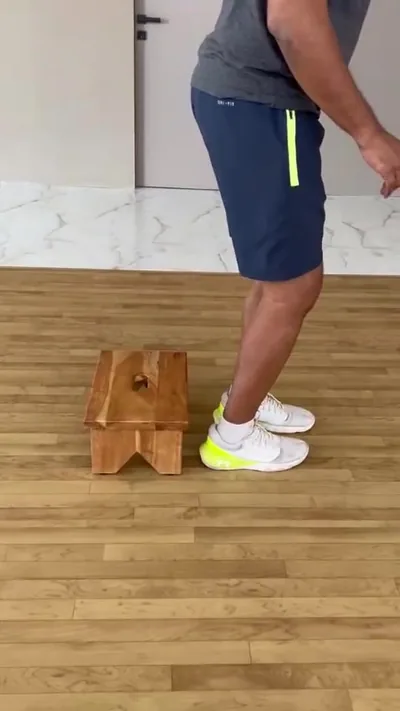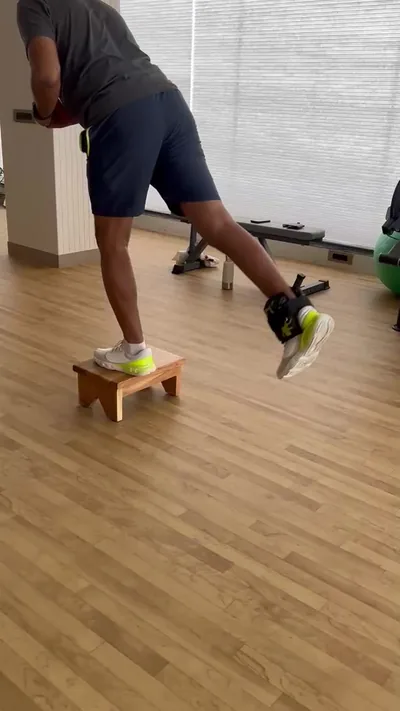
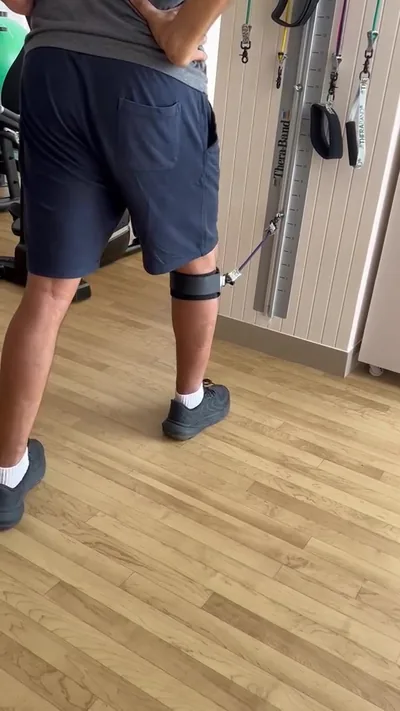
Backward Walking in ACL Rehab Phase 2
Backward walking helps athletes recover from ACL injuries. It builds knee stability in Phase 2 of rehab. This exercise targets quadriceps and improves control after surgery…
Read article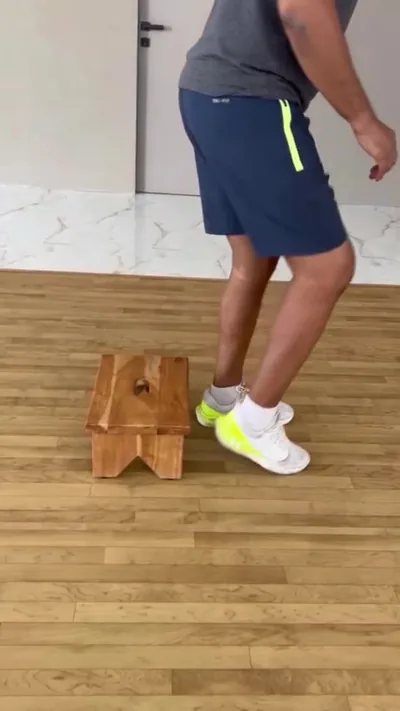

After ACL reconstruction, returning to jogging excites runners. Rushing risks re-injury. Safe progression needs tests. This guide covers checks before phase 3 running: strength tests, hop tests, functional checks and phased timeline. It explains how physiotherapists approach ACL rehab, what tests mean, and practical steps for safe return to run.
Physiotherapy builds strength, stability and control in ACL rehab. In Jaipur, clinics like Trivayu Physio Center use Orthopaedic Rehabilitation. Seek professional assessment before jogging. A physiotherapist checks your knee in person for swelling, motion, strength and stability.
Recovery varies by age, fitness, graft type and surgery. Focus on tests, not dates. Passing tests shows your knee handles running loads without buckling or pain.
ACL rehab has four phases. Phase 1 starts right after surgery. It lasts until swelling drops and you walk without crutches. Focus on gentle exercises like ankle pumps, heel slides and straight-leg raises. Protect the graft while regaining basic knee bend and straighten.
Phase 2 regains full knee motion and basic strength in quads, hamstrings, hips and glutes. You practise walking backwards, side steps and mini-squats. Walking normalises without limp or Trendelenburg sign, where your pelvis drops on the weak side.
Phase 3 starts after passing phase 2 tests. It introduces jogging, agility drills and speed work. You need no swelling, full motion matching the good leg, and strength symmetry. Phase 4 adds sport-specific drills like cutting and pivoting later. Looking for a Physiotherapy Near Me? Our team in Vaishali Nagar, Jaipur can assess you in person.
Physiotherapists track progress with weekly checks. They adjust loads based on pain, swelling and test scores. Early phases use crutches and braces to offload the knee. Drop them when you walk evenly. Phase 3 often follows phase 2 clearance, but tests decide entry. Rushing risks graft stretch, inflammation or new tears. Physiotherapists watch for warning signs like knee heat or night pain.
Meet these benchmarks before phase 3: no swelling or pain at rest, after activity or next morning. Full knee motion matches the good leg: bend to at least 135 degrees, straighten fully. Stable walking on uneven ground like grass or gravel, no limp. Symmetric leg strength across quads, hamstrings and hips. No buckling on single-leg stand for 30 seconds.
Physiotherapists use a goniometer to measure motion precisely. They do pressure tests like anterior drawer or Lachman for stability. They check for effusion by pressing above the kneecap. Failing any means more phase 2 work.
Strength tests mimic running demands. Single-leg squats test quads, glutes and control: stand on one leg, lower until thigh parallel to floor, rise smoothly. Aim for 15 reps without knee wobble, inward collapse (valgus) or heel lift. Physiotherapist watches knee tracking over toes.
Single-leg bridges target hamstrings, glutes and core: lie on back, one foot planted, lift pelvis to form straight line from knee to shoulder. Hold 30-45 seconds with pelvis level, no knee sag or hip drop. Switch sides; compare hold times.
Step-downs from a 20 cm box check eccentric quad control: step off forward, land softly with knee over toes, rise back up. Do 10 reps per leg without knee dive or trunk lean. These reveal imbalances that cause running injuries. More on Sciatica Treatment and how we assess it.
Physiotherapist scores form on a scale, counts reps and checks symmetry. If the operated leg lags, they add targeted exercises like Spanish squats or Nordic curls. Re-test every 1-2 weeks until symmetric.
Hop tests assess power, control and confidence under impact. Do them only after strength clearance. Key tests: single hop for distance (max effort forward). Triple hop (three consecutive hops, total distance). Crossover hop (four hops over a 15 cm line, crossing midline). 6m timed hop (fastest time over 6 metres).
Limb symmetry index (LSI) compares injured to good leg: (injured distance / good leg distance) x 100.
Clinic uses video analysis from side and front to spot flaws like early heel strike or valgus. Failures mean delay phase 3 for more plyometric prep like box jumps or bounds.
Stability tests check dynamic control. Y-balance test: stand on one leg, reach forward, sideways and back with the other foot on a grid. It tests hip and ankle stability too.
Single-leg stance on foam pad, eyes closed: hold 30 seconds without wobble or fall. Builds proprioception lost after injury.
Lateral step-downs and lunge matrix (forward, side, reverse lunges) test multi-plane control. No giving way in pivots or quick direction changes.
Physio performs Lachman test (manual pull on tibia) and pivot-shift for laxity. Passing all supports phase 3 entry. These predict running success and cut re-injury risk. You may also find Return to Running after ACL Surgery useful.
Early phase 1: ice, compression, elevation and crutches to full weight-bearing. Gentle quad sets and patella mobilisations.
Mid phase 2: closed-chain exercises like wall sits, split squats and bike. Progress to open-chain leg extensions if quad lag persists.
Phase 3: plyometrics like pogo jumps, bounding drills and ladder agility. Electrotherapy reduces pain and swelling. Manual Therapy releases tight tissues around knee and hips.
Progress only if pain-free, no swelling next day, full strength symmetry. Weekly in-clinic tests plus home program with app tracking. Physiotherapists teach cues like “knee tracks over second toe” for form.
Trivayu Physio Center offers Sports Injury & Rehab, Post-Surgery & Joint Replacement Rehab in Vaishali Nagar and Vidyadhar Nagar, Jaipur.
Dr. Jyoti Choudhary (17+ years, ex-Rajasthan Women’s Cricket) leads assessments and phase 3 clearance. Dr. Hritika Choudhary handles electrotherapy sessions.
Testing includes Class IV Laser for inflammation, goniometer, hop grids and video. Sessions last 45-60 min, 2-3 times weekly. Get home exercises with photos/videos. Progress tracked via shared app.
Book assessment: WhatsApp +91 90570 65065 or call. Expect full exam, custom plan and test schedule.
After tests, start on soft grass or treadmill. Week 1: walk 2 min, jog 1 min intervals, total 20 min. No pain or swelling after.
Add short strides.
Weeks 5+: inclines, fartlek (speed play) and longer runs. Re-test hops and strength every 4 weeks. Stop if swelling, pain or buckling returns; drop back a week.
Physio monitors first runs in clinic. Build to continuous 30 min jog before uneven terrain.
No fixed time. Physiotherapist clears after phase 2 tests pass, entering phase 3.
Strength: single-leg squats, bridges, step-downs. Hops: single, triple, crossover, timed. Y-balance, single-leg stance, Lachman.
No buckling or pain in single-leg tasks, hops and pivots.
Walk-jog intervals build to steady running, plus agility drills, bounds and speed changes under supervision.
Yes, risks graft failure or new injury. Always pass tests first.
Trivayu Physio Center, Vaishali Nagar or Vidyadhar Nagar.
Follow tests for safe progression. Book your assessment today.
“`
Physiotherapy is not the right first step for everything. Seek medical assessment promptly if any of the following apply to you:
If you lose control of your bladder or bowels, develop numbness around the groin, or have chest pain or breathlessness, treat it as an emergency and go to hospital.
Truly thankful to Dr. Jyoti Choudhary and the entire team of Trivayu Physio Centre for their genuine care, humble behaviour, and excellent treatment.
Mahesh Dhaka, Google review
This is one patient's own account, published with consent on our reviews page. It describes their experience, not a predicted outcome. Individual results vary.
Backward walking helps athletes recover from ACL injuries. It builds knee stability in Phase 2 of rehab. This exercise targets quadriceps and improves control after surgery…
Read articleAfter ACL surgery, rebuilding knee strength takes time and care. ACL rehabilitation phases guide this process step by step. Phase 1 protects the graft and cuts…
Read articleAfter hip replacement surgery, dressing your lower body safely helps build independence. By week 6 of hip replacement recovery, many patients aim to dress without help.…
Read articleMessage us on WhatsApp with your main concern and preferred time, and we'll confirm your first visit the same day.