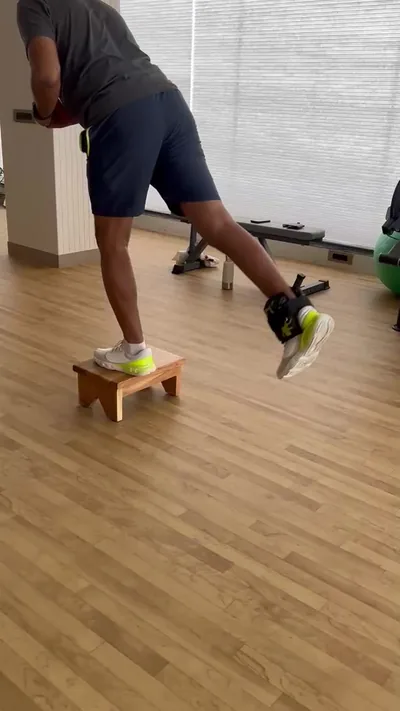
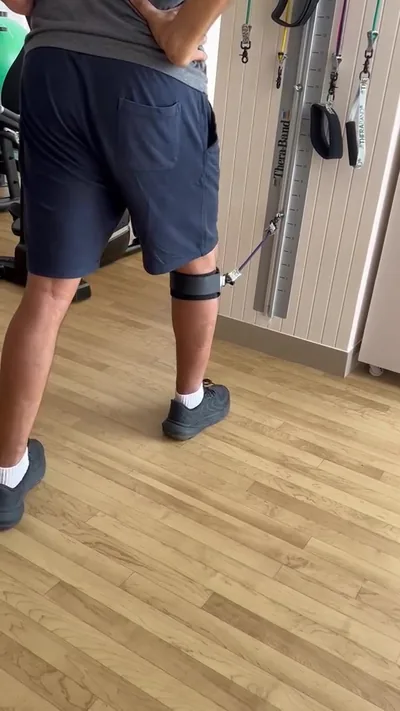
Backward Walking in ACL Rehab Phase 2
Backward walking helps athletes recover from ACL injuries. It builds knee stability in Phase 2 of rehab. This exercise targets quadriceps and improves control after surgery…
Read article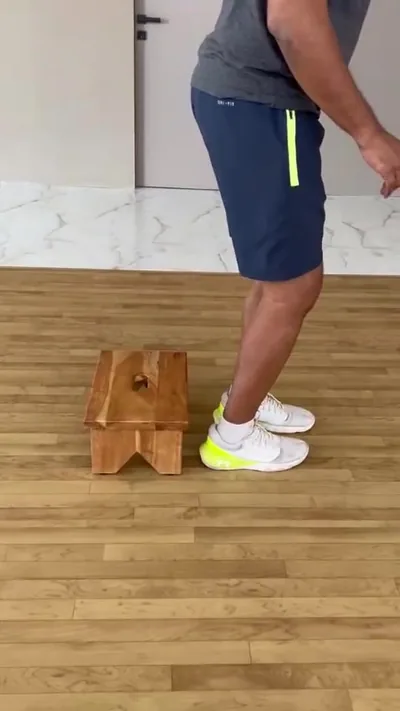
At week 5 after ACL surgery, some knee swelling remains common. Fluid from surgery and inflammation from healing tissues cause this puffiness. Young athletes in Jaipur often notice it during early sports rehab, especially after starting to load the knee more. Swelling decreases gradually with consistent care but can linger if you push too hard on exercises like squats or cycling. In week 5, expect mild to moderate puffiness around the knee cap and behind the knee, with some stiffness in the morning.
Track your knee size daily using a tape measure around the widest part above the knee cap. Compare to the other leg. If the difference stays under 2 cm and decreases week on week, it is normal progress. Sudden increases after activity signal overload. Check skin for warmth, redness, or shiny tightness, which may mean infection or clot risk. See a physio at Trivayam Physio Center in Vaishali Nagar for an in-person assessment to check your graft and range of motion.
During this phase, your physio assesses muscle strength around the knee and hip. They check if quadriceps activation is improving, as poor muscle control worsens swelling. If persistent knee swelling stalls your progress, they adjust your home program. Factors like graft type—hamstring or patellar tendon—can affect how much fluid builds up, as some cause more local irritation.
Electrotherapy can help reduce ACL swelling at week 5 by improving fluid movement. Book an assessment for tailored advice from registered physios.
Compression applies gentle, even pressure to prevent excess fluid from pooling in the knee tissues. It helps veins and lymphatics push fluid back toward the heart. In ACL rehab, it cuts down post-surgery puffiness, especially after standing or walking long. Use elastic bandages or fitted sleeves made for knee support, sized to your thigh and calf measurements.
Make it snug but not tight—your toes should stay warm and pink, with no numbness or tingling. Wear it during day activities like short walks or stationary bike sessions, but loosen if pain starts. At night, remove it to let skin breathe and check for marks. Looking for a Physiotherapist in Jaipur? Our team in Vaishali Nagar, Jaipur can assess you in person.
For best results in week 5 ACL recovery, pair compression with other steps. Avoid common errors like bunching the bandage under the knee, which blocks flow, or wrapping too tight at the ankle, which slows circulation. Test by pressing your nail bed—it should pink up in 2 seconds.
Proper compression supports Manual Therapy sessions at clinic, helping stubborn fluid shift faster.
To drain swelling by gravity, raise your leg so the knee sits 10-15 cm above heart level. Lie flat on your back on a firm bed or floor. Stack 2-3 pillows under your calf and ankle, keeping the knee straight or slightly bent if comfortable—never bend it sharply, as that traps fluid.
Do this for 20-30 minutes, 3-4 times a day, especially after meals or exercise. In Jaipur’s hot climate, use a fan or cool cloth on the leg during elevation to avoid overheating, which worsens puffiness. Keep your hips level—no twisting—to engage core muscles gently. More on Knee Pain Treatment and how we assess it.
For athletes in ACL surgery rehab, elevate right after practice or home exercises. If your knee feels heavy after 20 minutes of bike, elevate before icing. This combo speeds fluid drop better than either alone. Avoid sitting with legs down for long—use a stool to keep knees higher than hips when at desk.
Track if puffiness drops by end of session. If not, your physio can check for scar tissue blocking drainage.
Layer these for best effect in ACL surgery rehab in Jaipur. Start day with 20 minutes elevation upon waking, when swelling peaks from lying flat overnight. Add compression before getting up, keeping it on during light activity like walking to the kitchen or short errands.
Midday, after lunch or physio session, elevate again while wearing loose compression. In evening, after any sports drills, elevate with feet up wall if pillows slip—hips at 90 degrees, knees straight. Track knee girth morning and night. Aim for 1 cm drop per week.
Adjust for week 5 goals: if starting single-leg stands, limit to 10 reps if puffiness rises next day. Build tolerance slowly. In group rehab at Trivayam, physios demo this routine to match your strength. You may also find ACL Surgery Swelling First Month Ice Tweaks useful.
If swelling holds steady or calf feels tight, get checked for deep vein issues.
If puffiness lingers beyond expected at week 5, it may tie to poor quad firing, scar tissue, or too much early load. Physios check with strength tests like straight leg raise—if lag appears, they add specific activation drills.
Build in gentle range: sit and slide heel on bed, 10 slow reps, 3 sets daily. Add stationary bike at low resistance, 10 minutes, twice a day if pain-free. These boost circulation without overload.
Clinic assessment includes ultrasound check for fluid pockets. Orthopaedic Rehabilitation tailors progression to avoid setbacks.
Ice over cloth for 15 minutes, 3-4 times daily—wrap keeps cold steady, protects skin. Move between icing: flex foot 20 times to pump calf muscles. Stay hydrated—aim for 2-3 liters water daily, more in heat. Include protein from dal, paneer, eggs to support tissue repair.
Avoid crossing legs or kneeling, which pools fluid. Use crutches if limp starts. Track all in a notebook: girth, pain score 0-10, exercise tolerance.
Red flags needing urgent check: swelling doubles in 24 hours, chest pain with calf ache, fever over 38C, or skin hot/red streaks.
It often lingers 2-6 more weeks but fades with steady care. Your physio tracks via girth and strength.
Yes, if not too tight—check toes stay pink. Physio fits it right.
Leg above heart, calf on pillows, 20-30 min sessions, multiple times day.
Scale back activity, track closely, seek in-person assessment.
Short, pain-free sessions okay; stop if girth rises next day.
Trivayam Physio Center, Vaishali Nagar or Vidyadhar Nagar.
Manage ACL recovery swelling step by step. Progress varies; stay patient. Book in-person assessment at Trivayam Physio Center, 204, 2nd Floor, Om Tower, Gandhi Path Road, Nemi Nagar, Vaishali Nagar, Jaipur—or Vidyadhar Nagar. Contact via WhatsApp or +91 9057665065 for ACL rehab support.
Physiotherapy is not the right first step for everything. Seek medical assessment promptly if any of the following apply to you:
If you lose control of your bladder or bowels, develop numbness around the groin, or have chest pain or breathlessness, treat it as an emergency and go to hospital.
Truly thankful to Dr. Jyoti Choudhary and the entire team of Trivayu Physio Centre for their genuine care, humble behaviour, and excellent treatment.
Mahesh Dhaka, Google review
This is one patient's own account, published with consent on our reviews page. It describes their experience, not a predicted outcome. Individual results vary.
Backward walking helps athletes recover from ACL injuries. It builds knee stability in Phase 2 of rehab. This exercise targets quadriceps and improves control after surgery…
Read articleAfter ACL surgery, rebuilding knee strength takes time and care. ACL rehabilitation phases guide this process step by step. Phase 1 protects the graft and cuts…
Read articleAfter hip replacement surgery, dressing your lower body safely helps build independence. By week 6 of hip replacement recovery, many patients aim to dress without help.…
Read articleMessage us on WhatsApp with your main concern and preferred time, and we'll confirm your first visit the same day.