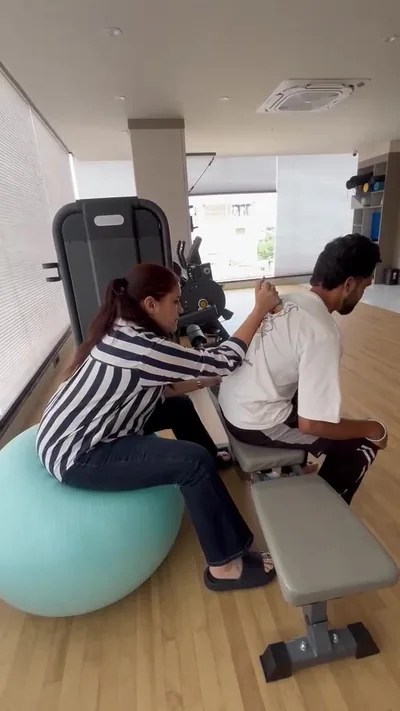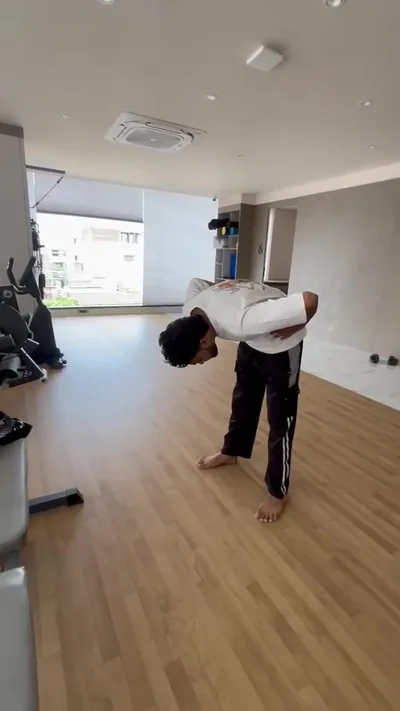
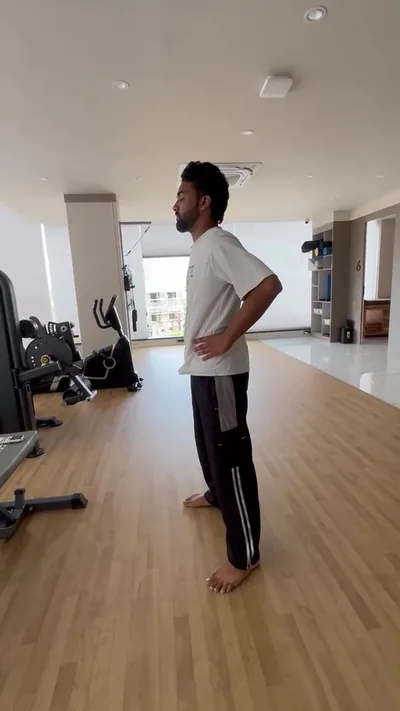
Is Side Bending Safe with L4 L5 Herniated Disc
An L4 L5 herniated disc happens when the disc between your fourth and fifth lumbar vertebrae bulges or ruptures. This presses on nearby nerves, causing pain…
Read article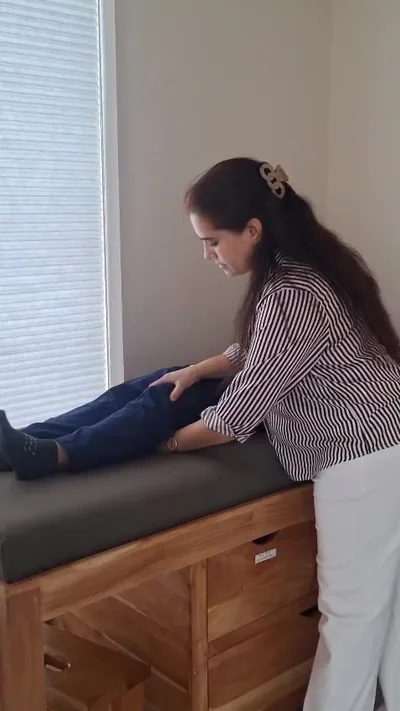
At month 6 after ACL surgery, your knee enters a key phase of ACL reconstruction recovery. Most patients have regained basic movement. You can walk without crutches and climb stairs. Strength starts to build, but gaps remain between the operated leg and the healthy one. Full knee range often returns by now, though some stiffness lingers during deep squats. Balance on the operated leg improves, yet quick turns still feel unstable.
A physiotherapist approaches this stage by checking graft healing through controlled loads. They test knee stability with hands-on moves like Lachman test, but at home, you mimic with self-checks. These reveal if quadriceps strength ACL levels match sports needs. Progress varies by age, graft type and early rehab. Pain, swelling or poor balance signal more rehab time. Trivayu Physio Center in Vaishali Nagar, Jaipur, guides athletes through this stage safely with tailored plans.
Muscle strength prevents re-injury when returning to sports after ACL tear. Weak quads or hamstrings raise fall risk during cuts or pivots. Tests focus on these key muscles. Knee stability tests, like single-leg stands, show if the joint holds under body weight.
Self-tests track symmetry between legs. Equal strength on both sides supports safe pivots. No equipment needed. Do them weekly to monitor ACL rehab month 6 gains. A physiotherapist would watch for knee valgus—inward cave—during these, as it strains the ACL graft.
These checks build confidence. They spot issues early, like quad lag where the knee dips during extension. Combine with guidance from experts in sports rehab for best results. Home strength exercises ACL, done right, bridge to clinic work. Looking for a Physiotherapy Near Me? Our team in Vaishali Nagar, Jaipur can assess you in person.
Try these six simple ACL strength tests at home. They target knee stability and power. Use a mirror or phone video for form checks. Stop if pain starts. Start with 1-2 sets, 2-3 times weekly.
Follow these steps for each test. Warm up first with 5 minutes walking or stationary bike. Test both legs. Note reps or hold times. Rest 48 hours between sessions to avoid overload.
Pain rule: Mild discomfort ok, sharp pain means stop. Common errors include leaning forward or knee valgus (inward cave). Retest after rest days. Track in a notebook with dates and notes like “quad shakes at 15 seconds.”
For hop test at home ACL, wait until symmetry hits in above tests. Stand on operated leg, hop forward 30 cm, land soft. Do 5 reps. Check for stable landing, no wobble. Video knee alignment. Skip if unsure—graft stress is high.
Compare legs for symmetry. If operated leg does near-match reps or holds, strength builds well. Big gaps mean more knee strength exercises ACL work needed, like extra quad sets or hamstring curls. More on Sciatica Treatment and how we assess it.
Good results suggest progress toward sports return after ACL. Poor symmetry flags quad or hamstring weakness. This raises re-injury risk. Do not push to sports yet. A physiotherapist might add Manual Therapy to loosen tight tissues, Orthopaedic Rehabilitation for sport-specific drills, or Electrotherapy to ease swelling.
Results guide next steps. Strong tests support advancing to jogs, straight-line runs or agility drills under supervision. Weak ones call for focused rehab: 3 sets of 10 single-leg squats daily, plus bridges. Build quadriceps strength ACL with straight-leg raises—lie down, lift straight leg 20 cm, hold 5 seconds, 10 reps. For hamstrings, prone curls with ankle weight if available. Book an in-person assessment for precise advice. Expect a session to include gait analysis, balance board work and graft stability checks.
Sports return after ACL tear needs pro clearance. At month 6 ACL rehab, clinics run hop tests: single, triple or crossover. They also measure quad strength with tools like handheld dynamometer.
Visit Trivayu Physio Center for sports injury rehab checks. Located at 204, 2nd Floor, Om Tower, Gandhi Path Road, Nemi Nagar, Vaishali Nagar, Jaipur. Also at Vidyadhar Nagar, Rangoli Gardens. You may also find ACL Month 2 Strength Tests at Home useful.
Our team, including Dr. Jyoti Choudhary with sports and orthopaedics expertise, uses exercise therapy to advance ACL recovery. Hours: Monday to Saturday 8 am to 8 pm, Sunday 10 am to 1 pm. In a session, expect warm-up, strength tests, sport drills like ladder runs, and home plan review.
Schedule via WhatsApp or call +91 90570 65065. Get cleared safely before sports return. What to bring: test notebook, comfortable shoes, loose clothes.
Single-leg squat, step-down, isometric quad hold, hamstring bridge, single-leg stance and wall sit. They test quads, hamstrings, and knee stability without gear. Track symmetry weekly.
Passing home strength tests with symmetry is a start. Full readiness needs pro tests like hop tests plus balance checks. See a physio for graft stability exam and running analysis.
Symmetry improves, but full match to healthy leg varies. Most gain good control in basic tests. Exact norms depend on your start point, graft and rehab adherence.
Avoid early unsupervised hops—they stress the graft. Try single-leg forward hop only after strength symmetry. Land soft, check knee control. Get physio okay first.
Now, if tests show asymmetry, pain or wobble. Before any sports. Trivayu offers sports rehab to guide safe return with knee stability tests and power builds.
Physiotherapy is not the right first step for everything. Seek medical assessment promptly if any of the following apply to you:
If you lose control of your bladder or bowels, develop numbness around the groin, or have chest pain or breathlessness, treat it as an emergency and go to hospital.
Truly thankful to Dr. Jyoti Choudhary and the entire team of Trivayu Physio Centre for their genuine care, humble behaviour, and excellent treatment.
Mahesh Dhaka, Google review
This is one patient's own account, published with consent on our reviews page. It describes their experience, not a predicted outcome. Individual results vary.
An L4 L5 herniated disc happens when the disc between your fourth and fifth lumbar vertebrae bulges or ruptures. This presses on nearby nerves, causing pain…
Read articleShopkeepers in Jaipur often stand for long hours behind counters. This prolonged standing can trigger sciatica pain. Sciatica happens when the sciatic nerve gets irritated, often…
Read articleHerniated disc night pain disrupts sleep for many. The disc bulge presses on nerves, causing sharp back pain or sciatica that flares up at night. Simple…
Read articleMessage us on WhatsApp with your main concern and preferred time, and we'll confirm your first visit the same day.