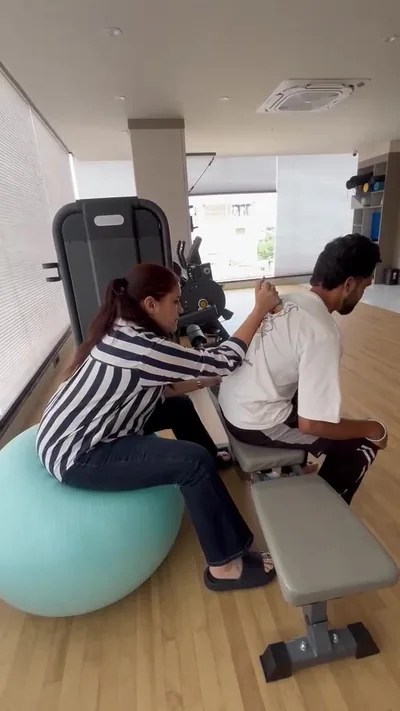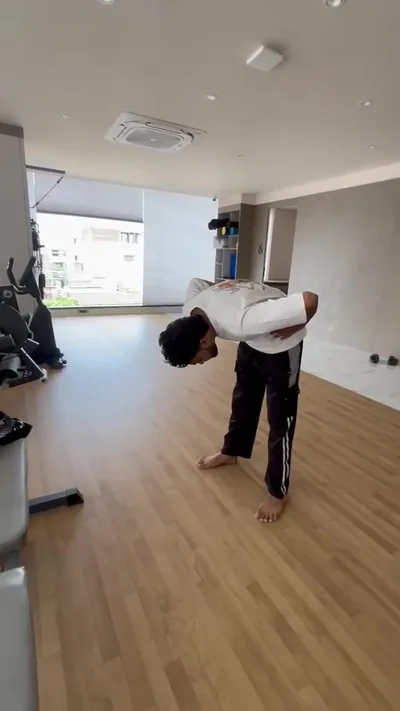
Is Side Bending Safe with L4 L5 Herniated Disc
An L4 L5 herniated disc happens when the disc between your fourth and fifth lumbar vertebrae bulges or ruptures. This presses on nearby nerves, causing pain…
Read article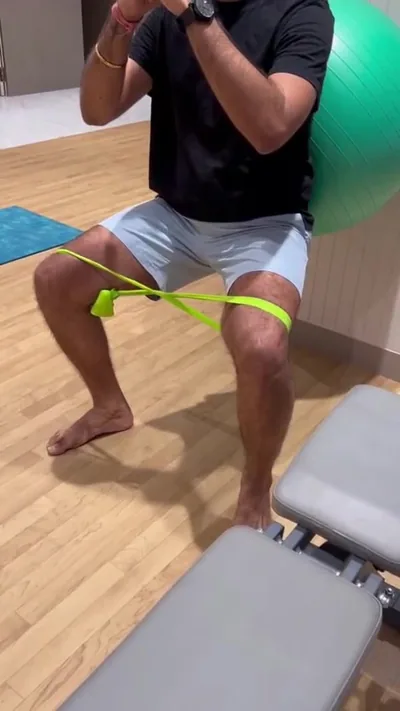

After ACL reconstruction, knee clicking or popping occurs for some around three months. ACL surgery knee clicking worries many. It often links to healing tissues. Is it normal? Or a problem?
Knee noises arise as the joint adapts post-surgery. ACL graft settles. Surrounding structures adjust. Most times, harmless. Track during recovery. This guide separates normal from concerns.
Physiotherapists see this often. They explain ACL rehab month 3 symptoms. At Trivayu Physio Center, we address it daily. Here’s what to know.
ACL surgery knee clicking means joint noises during movement. It occurs as knee heals. Scar tissue around graft creates friction. Cartilage glides. Patella tracks over femur. These cause clicks.
Post ACL surgery knee sounds come from several sources. Plica bands, folds of synovial tissue, snap over bone edges during knee bends. Gas bubbles in joint fluid collapse with motion, like knuckle cracking.
Differentiate normal from issues. Normal clicking is painless. Happens with bending or straightening. Physiotherapists check alignment. Test range of motion. Palpate joint line for tenderness.
Assessment reviews history. Surgeon’s notes guide. Note graft type: hamstring or patellar tendon. Hamstring grafts may cause more clicking as donor site heals. The hamstring area at the back of the thigh tightens during recovery, pulling on knee structures.
A physiotherapist approaches this step-by-step. First, observe the click: seated knee extension versus standing squat. Note if it happens at 30 degrees flexion, common for plica issues. Palpate the medial joint line for synovial thickening. Looking for a Physiotherapy Clinic Near Me? Our team in Vaishali Nagar, Jaipur can assess you in person.
Month 3: graft integrates. Muscle strengthening ramps up. Knee clicking common here. From graft settling. Quadriceps and hamstrings balance returns slowly. Knee popping ACL recovery noises peak as flexion improves to 120 degrees or more.
Reported at three months. Ties to improving range. Knee regains flexion. Tissues stretch. No issues.
Timeline varies. Month 3 fits patterns. No pain. Physiotherapists introduce closed-chain exercises. Wall sits build quads without shear. Stand with back against wall, slide down to 60 degrees knee bend, hold 20 seconds.
Swelling drops. Tissues move freer. Sudden clicking? Review activity. Back off if increased squats too fast. Teach proprioception: balance on foam pads cuts joint play. Stand on one leg on a folded towel, eyes closed, 30 seconds.
In clinic, expect a full gait analysis. Walk barefoot across a marked line. Note knee valgus, where knee falls inward. This stresses the joint, amplifying clicks. Correct with cues: keep knee over second toe.
Mild morning stiffness normal. Loosens with movement. Quadriceps lag persists. Causes patella tilt, clicks. Vastus medialis oblique, the inner quad muscle, lags behind. Strengthens it with terminal knee extensions: sit with rolled towel under knee, press down straightening fully.
Fatigue on longer walks. Gait normalises slowly. Limp from weak glutes adds stress. Clicking peaks on transitions like sit-to-stand. Hamstrings feel tight, not sharp. Expect mild effusion, fluid buildup, that shifts with position changes. More on Knee Pain Treatment and how we assess it.
Targeted checks: measure thigh girth for muscle loss. Compare operated to good leg at 10 cm and 20 cm above patella. Test hop symmetry. Single-leg squats reveal weaknesses: descend to 45 degrees, note knee tracking.
Physiotherapists monitor neuromuscular control. Test with star excursion balance: reach in eight directions on one leg. Poor reach forward signals quad inhibition. Pair clicking with this? Focus on eccentric hamstring lowers: slow descent from standing on step.
Not all clicking alarms. Watch red flags: pain with clicking. Swelling. Instability. Locking or catching. Not like normal noises. ACL reconstruction clicking turns concerning if it changes suddenly.
Grinding or clunking with weight-bearing. Worsens activity limits. Track motions. Disruptive daily tasks. Rest fails to ease. Sharp twinges on pivots suggest meniscus.
Track in journal: time, activity, pain 0-10. Note weather changes, as cooler air stiffens tissues. Share with therapist. If clicking localises to outer knee, check IT band friction over lateral femoral condyle.
Self-check: extend knee slowly. Note pain. Test stability with single-leg stands, 10 seconds. Ice mild swelling. RICE: rest, ice, compression, elevation. Use sleeve, not too tight. Avoid deep squats until cleared. You may also find ACL Surgery Knee Clicking Normal in Jaipur? useful.
Physiotherapy key. Orthopaedic Rehabilitation tracks progress. Manual Therapy eases tissues. Electrotherapy reduces irritation. Trivayu Physio Center in Vaishali Nagar or Vidyadhar Nagar. Book for assessment. Dr. Jyoti Choudhary leads. Specialise in post-surgery rehab.
Jaipur patients value us. Guide you. Long-term injury rehabilitation for ACL. 45-minute sessions. Heat loosens for 10 minutes. Mobilise joint. Glides improve patella: therapist pushes kneecap side-to-side in 30 degrees flexion.
What to expect in session: warm-up on stationary bike, low resistance, 10 minutes. Joint assessment with click recreation. Tailored exercises. Home program with photos. Reassess weekly.
Follow physiotherapist exercises. Strengthen quads gently. Isometrics first: press knee against towel. Hold 10 seconds, 10 repeats. Progress to low-weight leg presses: machine at 10 kg, slow tempo. Avoid overload.
Glute bridges build posterior chain. Lie back, feet flat, lift hips. Squeeze glutes at top, hold three seconds, 12 repeats. Calf raises improve push-off: rise on toes, slow lower, wall support. Add single-leg later.
Address patella mobility: supine patella mobs, press kneecap gently up-down. Reduces tilt-related clicks.
Clinical Pilates aids control: reformer squats with foot straps. Dry needling targets tight quads if trigger points cause referral clicks. Professional guidance ensures safety. Avoid twisting sports until cleared. Swim for cardio: breaststroke kicks build endurance without impact.
Nutrition supports: protein-rich foods aid tissue repair. Hydrate to keep joint fluid viscous. Sleep elevates leg for drainage.
Yes, often. Graft settling, muscle gains. Painless fits normal. Improves with strengthening.
Worry if pain, swelling, instability or locking. Seek assessment promptly.
Scar tissue, plica snapping, fluid shifts. Benign in month 3. Graft integration too.
Monitor. Ice, rest. Physio exercises. Get checked if concerned. Adjust loading.
Yes. Trivayu Physio Center assessments. WhatsApp or call +91 90570 65065 to book.
Improving flexion or quad activation. Test controlled bends. Painless: continue program.
Often yes, if painless and consistent. Concerning if new or painful. Track changes.
ACL surgery knee clicking at three months often normal. Track symptoms. Note patterns daily. Seek professional input. Recovery varies. Age, fitness matter. Patience aids healing. Get in-person assessment. Book at Trivayu Physio Center today. WhatsApp or call +91 90570 65065.
Physiotherapy is not the right first step for everything. Seek medical assessment promptly if any of the following apply to you:
If you lose control of your bladder or bowels, develop numbness around the groin, or have chest pain or breathlessness, treat it as an emergency and go to hospital.
Truly thankful to Dr. Jyoti Choudhary and the entire team of Trivayu Physio Centre for their genuine care, humble behaviour, and excellent treatment.
Mahesh Dhaka, Google review
This is one patient's own account, published with consent on our reviews page. It describes their experience, not a predicted outcome. Individual results vary.
An L4 L5 herniated disc happens when the disc between your fourth and fifth lumbar vertebrae bulges or ruptures. This presses on nearby nerves, causing pain…
Read articleShopkeepers in Jaipur often stand for long hours behind counters. This prolonged standing can trigger sciatica pain. Sciatica happens when the sciatic nerve gets irritated, often…
Read articleHerniated disc night pain disrupts sleep for many. The disc bulge presses on nerves, causing sharp back pain or sciatica that flares up at night. Simple…
Read articleMessage us on WhatsApp with your main concern and preferred time, and we'll confirm your first visit the same day.