Is Side Bending Safe with L4 L5 Herniated Disc
An L4 L5 herniated disc happens when the disc between your fourth and fifth lumbar vertebrae bulges or ruptures. This presses on nearby nerves, causing pain…
Read article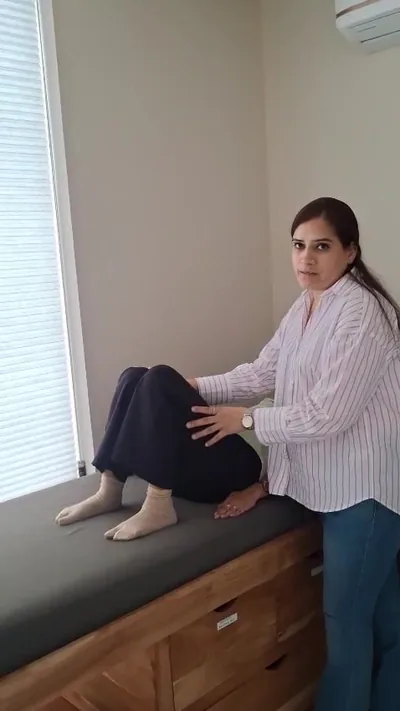

After ACL surgery, tracking knee bend helps monitor recovery. Knee bend means knee flexion or range of motion (ROM). This shows how well the knee moves. Week 6 or later, patients check progress at home. A physiotherapist starts this in clinic during follow-up visits.
Good progress means steady gains in knee flexion after ACL surgery. You gain bend without pain or swelling. Track ACL surgery progress to spot issues early. Slow bend or pain signals need for physio help. Home tracking spots patterns before clinic visits.
Seek professional assessment if bend stalls, pain worsens, or knee locks. Home checks support clinic rehab. They do not replace in-person visits. A physio reviews your home log to adjust the plan.
Simple tools track ACL knee bend angle at home. No need for clinic tools. Choose safe options for post-ACL knees. Start with easy ones if new to this.
Avoid sharp objects or force. Start with apps for ease in ACL rehab progress tracking. Apps often save logs over time.
Measure knee flexion safely at week 6+. Sit or lie down. Relax the knee. Do this in quiet spot. Wear loose clothes for clear view.
After measure, gently straighten knee. Ice 10 minutes if swollen. Do this 2-3 times weekly for knee bend tools ACL rehab tracking. Share log at next physio visit. Looking for a Physiotherapist Near Me? Our team in Vaishali Nagar, Jaipur can assess you in person.
Knee bend angles guide ACL recovery knee flexion. Progress varies by person, surgery type, and daily care. Week 6+, aim for steady increase. A physio checks this against your strength and walk.
These are typical patterns, not promises. Pair home knee angle measurement with clinic work like Manual Therapy. Slow gains mean check posture or strength. If stuck at 80 degrees by week 8, physio tests for scar tissue or muscle tightness.
Physios approach ACL rehab in phases. Early phase builds flexion gently. They use hands to guide knee bend if stiff. Later phases add weights or balance. Home measures help track this shift.
To track ACL surgery progress, log knee bend weekly. Use a notebook or app. Note angle, pain, swelling yes/no, and how knee feels in daily tasks like walking or stairs.
Look for patterns. Steady 5-10 degree gains per week show good path. Flat line for two weeks means call physio. Sudden drop signals overwork or infection risk. More on Knee Pain Treatment and how we assess it.
What to expect in physio approach: They test active flexion (you bend) and passive (they bend for you). Difference shows muscle or joint limits. They add stretches like heel slides: Lie back, slide heel toward buttock using towel strap.
Combine with quad sets: Tighten thigh muscle while knee straight. Builds strength for better bend. Physio demos these first. Home knee angle measurement confirms if exercises work.
Knee bend tools ACL rehab include more than measurers. Use sliders or straps for flexion practice. Foam roller under knee boosts bend in prone position. Place knee on roller, let weight gently increase angle.
Stationary bike with no resistance helps too. Pedal slow, seat high for partial bend. Builds ROM without load. Track pre-bike and post-bike angles to see gains.
Physio uses these in Orthopaedic Rehabilitation. They watch form to avoid twist. At home, mirror helps check alignment. Thigh and shin stay in one plane, no wobble. You may also find How to Measure Knee Bend at Home After ACL Surgery useful.
Monitor knee ROM post surgery to stay ahead of issues. Full ROM means bend and straighten fully. Post-ACL, extension often lags too. Check by seeing if knee lies flat on table.
Daily flags: Limp on stairs, sit with knee out, or night pain. These pair with low flexion numbers. Physio assesses full picture: ROM, strength, balance.
For stuck ROM, they may use heat packs before stretch, then Electrotherapy to calm swelling. Follow with hands-on mobilisation. Expect 20-30 minute sessions, 2-3 times weekly early on.
Red flags in home measures need pro check. Less than 5-degree weekly gain past week 6. Pain above 3/10 during bend. Swelling or heat that lasts.
Trivayu Physio Center in Vaishali Nagar and Vidyadhar Nagar offers Orthopaedic Rehabilitation. Team like Dr. Jyoti Choudhary (17+ years, sports expert) and Dr. Hritika Choudhary (advanced electrotherapy) guide ACL rehab. They use Robotic Spinal Decompression if needed, plus exercise therapy.
Book assessment for personalised plan. Physio tailors based on your log, surgery notes, and tests. Home visits available for early recovery.
Use app, goniometer or protractor. Sit relaxed, bend to max comfortable angle, read degrees from thigh to shin. Average 3 tries.
Smartphone apps, plastic goniometers, or DIY protractor setups. Apps easiest for regular ACL rehab progress tracking. Add sliders for practice.
Steady gains from week 4-6 onward. Varies; track weekly and consult physio if stuck below expected for your week.
Full ROM returns over months with rehab. Home measures help monitor knee ROM post surgery toward 130+ degrees. Physio speeds this.
2-3 times per week. Log angles to track ACL surgery progress. Review with physio monthly.
See physio promptly. Could need adjustments like Electrotherapy or hands-on work. Do not force at home.
Track your ACL surgery knee bend home measure to stay on path. Combine with physio guidance for best results. Book assessment at Trivayu Physio Center via WhatsApp or call +91 90570 65065.
Physiotherapy is not the right first step for everything. Seek medical assessment promptly if any of the following apply to you:
If you lose control of your bladder or bowels, develop numbness around the groin, or have chest pain or breathlessness, treat it as an emergency and go to hospital.
Truly thankful to Dr. Jyoti Choudhary and the entire team of Trivayu Physio Centre for their genuine care, humble behaviour, and excellent treatment.
Mahesh Dhaka, Google review
This is one patient's own account, published with consent on our reviews page. It describes their experience, not a predicted outcome. Individual results vary.
An L4 L5 herniated disc happens when the disc between your fourth and fifth lumbar vertebrae bulges or ruptures. This presses on nearby nerves, causing pain…
Read articleShopkeepers in Jaipur often stand for long hours behind counters. This prolonged standing can trigger sciatica pain. Sciatica happens when the sciatic nerve gets irritated, often…
Read articleHerniated disc night pain disrupts sleep for many. The disc bulge presses on nerves, causing sharp back pain or sciatica that flares up at night. Simple…
Read articleMessage us on WhatsApp with your main concern and preferred time, and we'll confirm your first visit the same day.