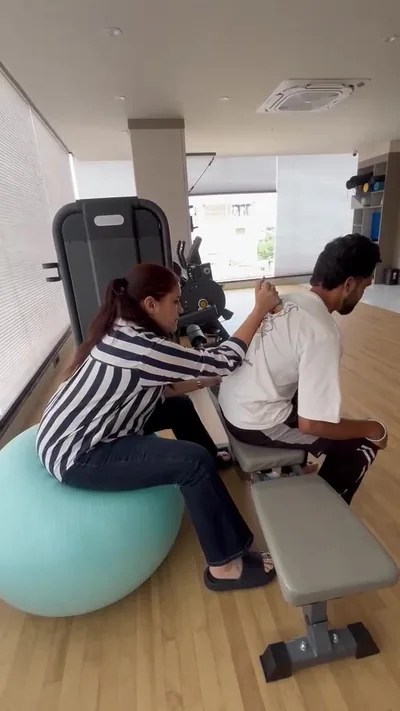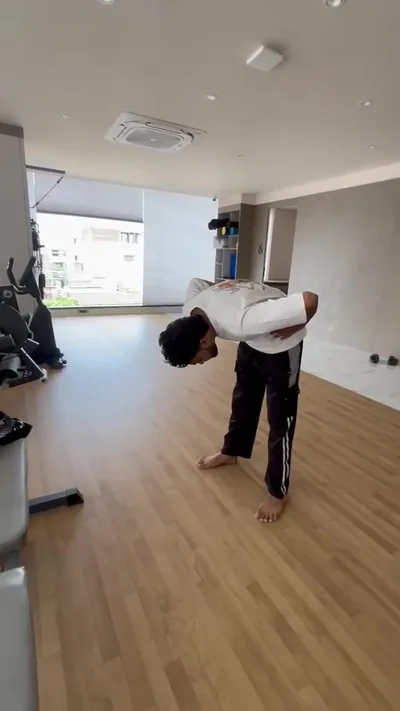
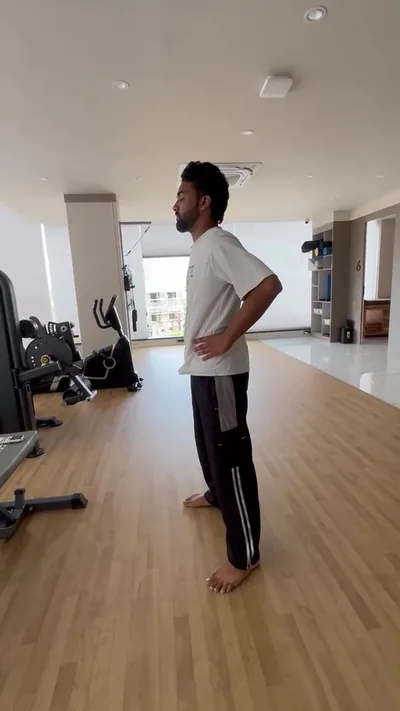
Is Side Bending Safe with L4 L5 Herniated Disc
An L4 L5 herniated disc happens when the disc between your fourth and fifth lumbar vertebrae bulges or ruptures. This presses on nearby nerves, causing pain…
Read article

Swelling is common after ACL surgery. It peaks in the first few days and can last up to two weeks. Icing helps control it at home. This reduces pain and aids recovery. Get a professional assessment for your case.
Swelling comes from surgery trauma, bleeding, and inflammation. Ice narrows blood vessels to limit fluid buildup. In the first 14 days, icing supports ACL recovery. Follow your surgeon’s advice first. Trivayu Physio Center offers post-ACL checks.
This guide covers home icing for knee swelling after ACL surgery. It includes timing, duration, safety, and what to expect in the first two weeks. Use it with doctor instructions.
Knee swells after ACL reconstruction due to tissue damage. Surgery cuts skin, drills bone tunnels, and places a graft. This causes bleeding and fluid leak into tissues. Inflammatory cells add more fluid.
Swelling starts right after surgery. It peaks on days 2 to 5. In the first week, knee feels tight and stiff. By week two, it eases if managed. Unchecked swelling causes more pain, less movement, slower healing. Looking for a Physiotherapist Near Me? Our team in Vaishali Nagar, Jaipur can assess you in person.
Risks include joint stiffness or blood clots if fluid builds up. Early swelling management keeps these low. Ice therapy plays a key role. A physiotherapist checks knee range and girth to track progress.
Apply ice for 15 to 20 minutes per session. This cools deep tissues without skin harm. Shorter times may not work; longer risks frostbite.
Ice 4 to 6 times a day in the first week. Space every 2 to 3 hours while awake. Limit total daily ice to 2 hours. In week two, drop to 3 to 4 times as swelling lessens.
Check skin after each use. Stop if numb or white. Watch knee response. In first two days, use more frequent sessions if swelling builds fast.
Wrap ice bag in a thin cloth or towel. Never apply directly to skin. Place over swollen area, from above knee to below. Use gel pack, crushed ice, or frozen vegetables if wrapped. More on Knee Pain Treatment and how we assess it.
Elevate leg above heart level during icing. Lie with pillows under calf, not knee. Keep knee straight or slightly bent. Aim for 30 to 60 minutes elevation per session.
Combine icing with ankle pumps: flex and point foot 10 times every hour while elevated. This aids fluid flow.
Common mistakes to avoid:
Track sessions in a notebook. Note time, duration, knee feel after, and measure girth with tape. Compare daily.
Days 1-3: Swelling peaks. Ice every 2 hours while awake. Expect knee to double in size. Use full leg elevation and minimal weight. Ice around brace if fitted.
Days 4-7: Swelling settles if iced. Add compression with elastic bandage after icing, not too tight. Check toes stay warm and pink. Physio may add quad sets: tighten thigh 5 seconds, 10 times per hour.
Weeks 1-2: Steady icing. By day 10, bend knee to 90 degrees with less pain. If not, book check. Add walking with crutches as guided. You may also find ACL Surgery Swelling First Month Ice Tweaks useful.
Expect: Pain eases, skin warms, movement improves. If swelling persists past two weeks, seek Manual Therapy for stiff tissues.
By end of week one, physiotherapist assesses knee. They measure swelling, check brace, test muscle control. Expect hands-on work to ease fluid and start range exercises.
Orthopaedic Rehabilitation builds strength. Electrotherapy may reduce remaining swelling if icing falls short. Sessions last 30-45 minutes, twice weekly at first.
At home, after icing, do heel slides: slide heel towards bottom with strap, hold 5 seconds, 10 reps. Stop if pain increases.
Reduce icing when swelling drops and knee moves better, often by week two. Signs: less puffiness, bending to 90 degrees, girth near normal. Switch to compression or movement.
Start physio exercises. Contact physio for plan. Book at Trivayu Physio Center in Vaishali Nagar or Vidyadhar Nagar. Dr. Jyoti Choudhary and team guide recovery.
Watch for skin redness, blisters, or lasting numbness. Stop icing and warm skin. Use moisturiser if dry.
Seek urgent care for fever over 38C, calf pain or redness, chest pain, shortness of breath, or worsening swelling. Call surgeon.
For bending under 60 degrees by week two, calf weakness, or uneven swelling, see physio. Avoid heat packs first two weeks. Skip deep massage until cleared.
15 to 20 minutes per session, several times a day first two weeks. Adjust for swelling. Use timer.
15-20 minutes. Controls swelling without damage. Repeat, checking skin.
4-6 times daily first week, 3-4 second week. Every 2-3 hours awake. More if active.
When swelling eases and knee bends better, around week two. Shift to exercises.
Ice for first two weeks swelling. Heat later for stiffness, after physio advice.
Yes. Over 20 minutes or too often harms skin. Limit to 2 hours daily. Check skin.
Check elevation, frequency. Add loose compression. Book physio.
No, until surgeon clears, usually 4-6 weeks. Icing needs focus.
Ice with rest, elevation, gentle moves, and physio for better recovery. Track progress with notes and measurements.
Book in-person assessment at Trivayu Physio Center. WhatsApp or call +91 90570 65065. Address: 204, 2nd Floor, Om Tower, Gandhi Path Road, Nemi Nagar, Vaishali Nagar, Jaipur. Open Mon-Sat 8 am to 8 pm, Sun 10 am to 1 pm.
Physiotherapy is not the right first step for everything. Seek medical assessment promptly if any of the following apply to you:
If you lose control of your bladder or bowels, develop numbness around the groin, or have chest pain or breathlessness, treat it as an emergency and go to hospital.
Truly thankful to Dr. Jyoti Choudhary and the entire team of Trivayu Physio Centre for their genuine care, humble behaviour, and excellent treatment.
Mahesh Dhaka, Google review
This is one patient's own account, published with consent on our reviews page. It describes their experience, not a predicted outcome. Individual results vary.
An L4 L5 herniated disc happens when the disc between your fourth and fifth lumbar vertebrae bulges or ruptures. This presses on nearby nerves, causing pain…
Read articleShopkeepers in Jaipur often stand for long hours behind counters. This prolonged standing can trigger sciatica pain. Sciatica happens when the sciatic nerve gets irritated, often…
Read articleHerniated disc night pain disrupts sleep for many. The disc bulge presses on nerves, causing sharp back pain or sciatica that flares up at night. Simple…
Read articleMessage us on WhatsApp with your main concern and preferred time, and we'll confirm your first visit the same day.