Backward Walking in ACL Rehab Phase 2
Backward walking helps athletes recover from ACL injuries. It builds knee stability in Phase 2 of rehab. This exercise targets quadriceps and improves control after surgery…
Read article

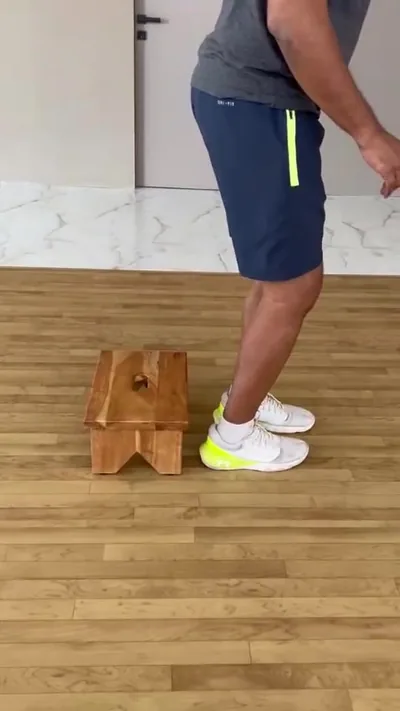
After ACL surgery, week 6 marks a shift in recovery for young athletes. You enter phase 2 of balance progression. This restores knee control. Single leg stand is a core exercise. It targets stability for sports like football or cricket.
Balance training improves proprioception—your body’s sense of position. It helps prevent falls and re-injury. Get an in-person physio check before trying these. In Jaipur, Trivayu Physio Center offers assessments.
Week 6 post-ACL surgery enters phase 2. Early weeks reduced swelling and basic movement. Now balance ramps up. Goals: rebuild knee stability and proprioception.
For young athletes, this prepares for sport demands. Single leg balance mimics cutting or jumping. Poor balance raises re-injury risk. Training addresses this; results vary.
A physio checks knee range, strength, swelling. They test two-leg balance, then single leg if safe. Age, sport, surgery type guide the plan. Seek Orthopaedic Rehabilitation experts in Jaipur. Do not start without clearance. Assessment checks graft healing. Physio also looks at walking pattern and hip control to spot early weaknesses.
Single leg stand boosts balance, strength, confidence. It makes muscles around the knee work together. This improves stability. For athletes, it links to sports like standing on one leg in a tackle.
It trains proprioception to reduce wobbles. It strengthens hips and core. Manual Therapy can ease tightness first.
Skipping risks weak spots. Practice lowers fall risk. A physio adds cues like “knee over toes” to fix alignment. They watch for knee caving inward, a common fault in young athletes from weak glutes. Looking for a Physiotherapy Clinic Near Me? Our team in Vaishali Nagar, Jaipur can assess you in person.
Start in quiet space with chair nearby. Wear stable shoes. Stand tall, weight even.
Progress: close eyes 5 seconds or stand on towel. These mimic uneven pitches. Stop if pain exceeds mild discomfort or knee buckles. Mistakes: leaning, locking knee, knee caving.
Physio spots hip drop or sway. No exercise if swelling rises or pain lasts. Expect mild ache; sharp pain means stop. In sessions, physio uses a mirror so you see your knee track straight.
Pair single leg stand with phase 2 moves. Physio designs combos for knee stability.
Home: use wall or mirror. Track times in notebook. Advance if 30 seconds steady, eyes closed. Regress if shaky.
Progress signs: no pain, good control. Electrotherapy can reduce soreness. Physio tweaks with glute cues like squeezing buttocks to lift hips. In phase 2, sessions build from 20 minutes balance to full 45 minutes with strength.
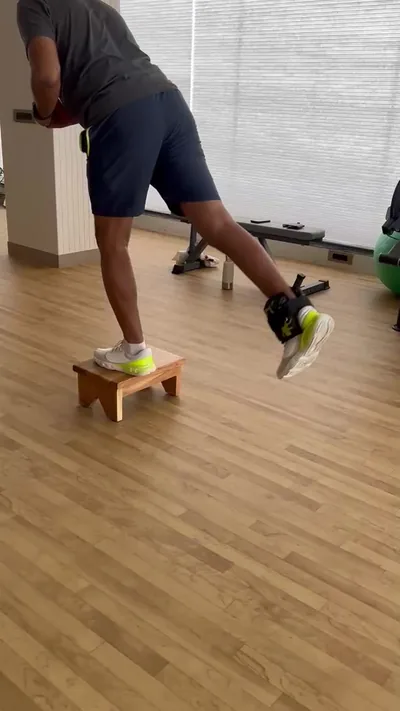
Proprioception exercises rebuild knee position sense. In week 6, start simple. Single leg stand is base. Add star excursion: from single leg, reach toes forward, side, back. 8-10 times per direction. Reach as far as balance allows without knee bending too much.
Clock reach: from single leg, reach to 12, 3, 6, 9 with other foot. 5 per point. Imagine clock face on floor; touch lightly.
Expect wobbles. Practice 10 minutes daily. Physio checks compensations like trunk lean. Pair with wall sits, ball between knees, hold 20 seconds. This adds isometric hold to fire quads without weight. More on Sciatica Treatment and how we assess it.
Another key move: single leg calf raises on flat ground. Rise slow, hold top 3 seconds, lower controlled. 10 reps. Builds ankle-knee link vital for cricket pivots.
Young athlete rehab builds knee stability for sport loads. Phase 2 uses controlled imbalance. Physio assesses squat or step-down, notes knee valgus—when knee falls inward.
Single leg Romanian deadlift: hinge hips, extend leg back. 8-10 reps. Keep back straight; reach hands toward floor. Targets hamstrings and balance.
Lateral step-downs: off 10cm step, knee over foot. Lower slow to touch floor with heel, push up. 8 reps per side. Fixes side stability for football sidesteps.
Sessions: 45-60 minutes. Warm-up 5 minutes bike or marches. Physio demos each move twice. Do 2-3 sets with rest. End with stretches for quads, hamstrings, calves. Home reinforces 3 times week. Progress feels like knee trust during quick turns.
Physio teaches “bracing”: tighten core and glutes before any single leg work. This protects the knee joint under load.
Phase 2, from week 6 to 12, shifts from protection to controlled challenge. Balance leads, but adds resistance. Physio clears phase if single leg hold reaches 30 seconds steady and walking is normal without limp. You may also find ACL Surgery Balance Exercises at Home Weeks 4-8 useful.
Key progression: from double to single leg everywhere. Add mini squats on surgery leg: bend knee 20-30 degrees, hold 5 seconds, 10 reps. Watch knee stays over middle toe.
For athletes, introduce sport-specific: mimic cricket bowl stance on one leg, hold 10 seconds, 5 times. Or football plant foot balance during fake kick.
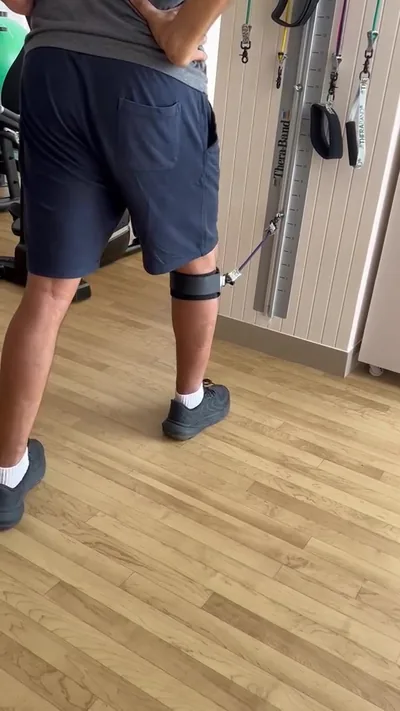
Physio monitors graft site tenderness and thigh muscle bulk. If quad lags, add straight leg raises with ankle weight light as cleared. Sessions include feedback loops: try move, physio corrects form live.
Home log tracks reps, hold times, pain level 0-10. Share at next visit. Phase 2 ends with hop tests if ready—small two-leg hops first.
Balance training in week 6 rebuilds the feedback loop from foot to brain. Young athletes lose this fast after surgery due to swelling and guarding.
Start bilateral: feet shoulder-width, hands on hips, eyes closed 10 seconds. Progress to single leg as above.
Advanced week 6-8: wobble cushion under surgery foot, stand 20 seconds. Or foam pad for softer surface. These train small adjustments like on Jaipur turfs.
Physio adds cognitive load: count backwards by 3s while balancing. Builds multi-task control for matches.
Pair with hip work: clamshells lying on side, 15 reps. Strengthens outer hip to stop knee cave.
Rest days matter: every second day if sore. Ice knee 15 minutes post-session if needed.
At Trivayu Physio Center, Dr. Jyoti Choudhary (17+ years, sports orthopaedics, Rajasthan Women’s Cricket) leads. Dr. Hritika Choudhary does post-op with electrotherapy. Dr. Ishu Sharma focuses on exercise and sports rehab.
Locations: Vaishali Nagar, Vidyadhar Nagar. Home visits, online consults. Personalised plans. Book assessment. We check full kinetic chain from foot to back.
Single leg stand, tandem stance, star excursion, ball tosses. Confirm with physio. Add clock reach and calf raises.
Yes if cleared. Start short. Stop for pain. Physio tests first.
Restores proprioception, stability. Cuts re-injury risk. Links to hip, core. Prepares for sport cuts.
Typically week 6, after swelling drops. Physio tests strength and range.
Trivayu Physio Center, Vaishali Nagar or Vidyadhar Nagar.
Daily 10-15 minutes, under plan. Rest if sore. 3-4 days week max if building.
Regress to two-leg. Book physio check for hip or ankle issues.
Balance sets base for ACL recovery. Stay consistent. Combine with quad sets, heel slides, glute squeezes.
Book in-person assessment at Trivayu Physio Center. WhatsApp +91 90570 65065 or call.
Physiotherapy is not the right first step for everything. Seek medical assessment promptly if any of the following apply to you:
If you lose control of your bladder or bowels, develop numbness around the groin, or have chest pain or breathlessness, treat it as an emergency and go to hospital.
Truly thankful to Dr. Jyoti Choudhary and the entire team of Trivayu Physio Centre for their genuine care, humble behaviour, and excellent treatment.
Mahesh Dhaka, Google review
This is one patient's own account, published with consent on our reviews page. It describes their experience, not a predicted outcome. Individual results vary.
Backward walking helps athletes recover from ACL injuries. It builds knee stability in Phase 2 of rehab. This exercise targets quadriceps and improves control after surgery…
Read articleAfter ACL surgery, rebuilding knee strength takes time and care. ACL rehabilitation phases guide this process step by step. Phase 1 protects the graft and cuts…
Read articleAfter hip replacement surgery, dressing your lower body safely helps build independence. By week 6 of hip replacement recovery, many patients aim to dress without help.…
Read articleMessage us on WhatsApp with your main concern and preferred time, and we'll confirm your first visit the same day.