

Is Side Bending Safe with L4 L5 Herniated Disc
An L4 L5 herniated disc happens when the disc between your fourth and fifth lumbar vertebrae bulges or ruptures. This presses on nearby nerves, causing pain…
Read article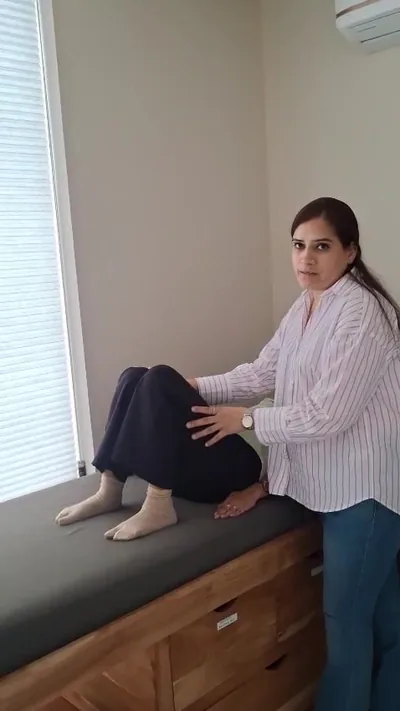
After ACL surgery, weeks 12-16 mark a key phase in ACL injury recovery. Your knee starts to handle more demands. Proprioception drills build balance and knee stability. These exercises retrain nerves and muscles to sense position. This supports single leg stability drills vital for athletes.
Athletes need strong proprioception for sports return after ACL. Poor balance raises re-injury risk. Single-leg stance variations help here. At this stage, focus on controlled challenges. Progress only when stable. Trivayu Physio Center in Vaishali Nagar, Jaipur guides such ACL rehab exercises weeks 12-16.
Proprioception exercises post ACL improve neuromuscular control. They bridge basic strength to dynamic sport moves. Expect variations in recovery. Always check with a physiotherapist before starting. A physiotherapist assesses your knee’s range, strength and swelling first. They watch your form during a trial drill. This ensures the plan fits your progress.
Proprioception means your body’s sense of position. In late-stage ACL recovery, it prevents falls and twists. After surgery, knee sensors get disrupted. Drills restore this feedback loop.
Balance and single-leg stability matter for athletes. Sports demand quick direction changes on one leg. Weak proprioception leads to poor landing or cutting. Weeks 12-16 shift focus to this for return to sport ACL rehab.
This phase transitions to advanced ACL rehab Jaipur style. You build confidence on uneven surfaces. It preps for agility and speed. Without it, knee stability exercises lag behind. Expect sessions to last 20-30 minutes, 3-4 days a week. A physiotherapist might use a foam pad or therapy ball to test your starting level. Looking for a Physiotherapy Clinic Near Me? Our team in Vaishali Nagar, Jaipur can assess you in person.
Weeks 12-16 follow earlier phases of protection, strength building and basic mobility. By now, your graft has healed enough for weight-bearing tasks. Focus shifts to function. Proprioception work prevents the knee from feeling “dead” during movement.
Your physiotherapist checks milestones like full knee bend without pain, equal thigh muscle size on both legs and walking without limp. If these hold, add balance training ACL. They measure your single-leg hold time and reach distance to track gains. This phase lasts 4-6 weeks, blending with running or light agility prep.
Daily life improves too. Stairs feel secure. Uneven ground like Jaipur streets poses less threat. Athletes notice better control in practice drills.
Progressive loading builds tolerance. Start simple, add challenge slowly. This avoids overload in ACL rehab proprioception weeks 12-16.
Neuromuscular control basics involve muscle reflexes. Drills sharpen reaction to shifts. Eyes-closed versions boost this further. Hold positions longer as control grows. Add head turns to mimic real distractions.
Avoid common errors. Do not rush progression. Ignore pain signals. Keep knee aligned over toes. Breathe steady. These principles guide post surgery proprioception safely. Warm up with 5-10 minutes of stationary bike or marches to ready the knee.
These proprioception drills after ACL surgery target knee stability exercises. Do 2-3 sets of 30-60 seconds per leg, 3-4 times weekly. Rest as needed. Stop if pain increases. Breathe evenly. Keep the non-standing leg bent slightly off the ground. More on Sciatica Treatment and how we assess it.
Supervise first sessions. Track improvements weekly. Note hold times and any knee shift in a journal.
Move from static to dynamic balance. Once single-leg holds last 60 seconds eyes-closed, add speed. Toss ball while balancing. This fits athlete ACL rehab program.
Integrate sport-specific movements. For football, add lateral hops. For cricket, mimic bowling stance reaches. Keep knee stable. Start with 5-8 reps, build to 15. A physiotherapist demonstrates sport stance first to check alignment.
Monitor readiness signs. No swelling after drills. Full strength symmetry. Pain-free jog. These signal sports return after ACL progress. Test hop distances equally both legs. Single-leg hop for distance or height shows power return. Repeat monthly.
Post surgery proprioception advances to ladder drills or cone weaves on one leg. Catch passes mid-balance for team sports. Rest 48 hours between hard sessions.
Pair balance with strength. After single-leg stance, add squats on the same leg. Hold a light weight for resistance once easy. This ties proprioception to power. You may also find ACL Proprioception Week 6 Balance Drills useful.
Athlete ACL rehab program includes weekly checks. Physiotherapist tests with Y-balance reach or hop tests. Adjust based on side-to-side difference. Include core work like planks on knees to support knee control.
What to expect in clinic: 45-minute session starts with heat or ice if needed, then 10 minutes warm-up, 20 minutes drills, 10 minutes cool-down stretches. Homework drills reinforce. Progress photos or videos help spot form slips.
Watch red flags. Sharp knee pain. Swelling. Instability or giving way. Buckling sensation. Stop and rest ice. Elevate knee above heart for 15 minutes.
Use proper form. Warm up first. Wear supportive shoes. Surface firm to start. Progress to grass or sand later.
Seek in-person assessment at Trivayu Physio Center. Our team, including Dr. Jyoti Choudhary with sports expertise, tailors plans. Manual Therapy aids joint mobility if stiff. Orthopaedic Rehabilitation strengthens supporting muscles. Electrotherapy reduces any inflammation. Locations in Vaishali Nagar and Vidyadhar Nagar suit Jaipur athletes. Book for safe advanced ACL rehab.
They retrain balance senses damaged by ACL tear or surgery. Focus single-leg holds and wobble challenges for knee awareness. Expect nerve feedback to sharpen over weeks.
They strengthen stability reflexes. Reduce re-injury risk in sports. Improve control during pivots and landings. Build trust in the knee.
Around weeks 12-16 if cleared by physiotherapist. After good strength and no pain in basics. They confirm with a balance test.
Yes with guidance. Progress slowly. Professional oversight ensures safety. Track no pain or swelling post-session.
Basic ones yes, but get checked first. Trivayu offers home visits or clinic sessions for proper form. Video your drills for feedback.
They review your sport demands, surgery details and current tests. Add football cuts or cricket lunges as needed. Adjust frequency based on response.
In summary, ACL rehab proprioception weeks 12-16 builds the base for safe sports return. Consistent single leg balance ACL recovery drills pay off. Knee stability exercises and balance training ACL prepare you fully. Recovery varies by person. Stick to guidance for best results.
Book an assessment at Trivayu Physio Center today. WhatsApp +91 90570 65065 or call to start.
Physiotherapy is not the right first step for everything. Seek medical assessment promptly if any of the following apply to you:
If you lose control of your bladder or bowels, develop numbness around the groin, or have chest pain or breathlessness, treat it as an emergency and go to hospital.
Truly thankful to Dr. Jyoti Choudhary and the entire team of Trivayu Physio Centre for their genuine care, humble behaviour, and excellent treatment.
Mahesh Dhaka, Google review
This is one patient's own account, published with consent on our reviews page. It describes their experience, not a predicted outcome. Individual results vary.
An L4 L5 herniated disc happens when the disc between your fourth and fifth lumbar vertebrae bulges or ruptures. This presses on nearby nerves, causing pain…
Read articleShopkeepers in Jaipur often stand for long hours behind counters. This prolonged standing can trigger sciatica pain. Sciatica happens when the sciatic nerve gets irritated, often…
Read articleHerniated disc night pain disrupts sleep for many. The disc bulge presses on nerves, causing sharp back pain or sciatica that flares up at night. Simple…
Read articleMessage us on WhatsApp with your main concern and preferred time, and we'll confirm your first visit the same day.

