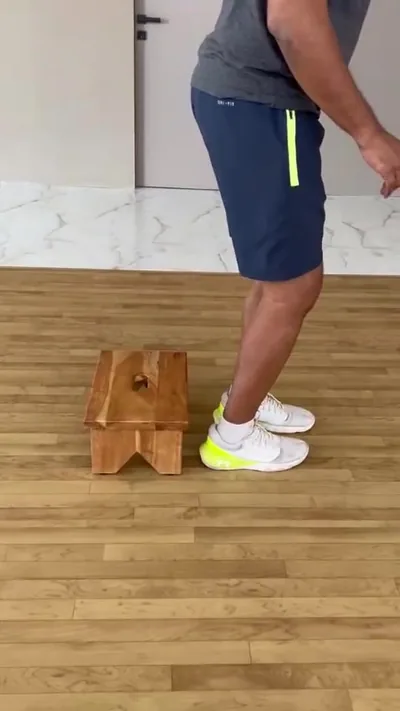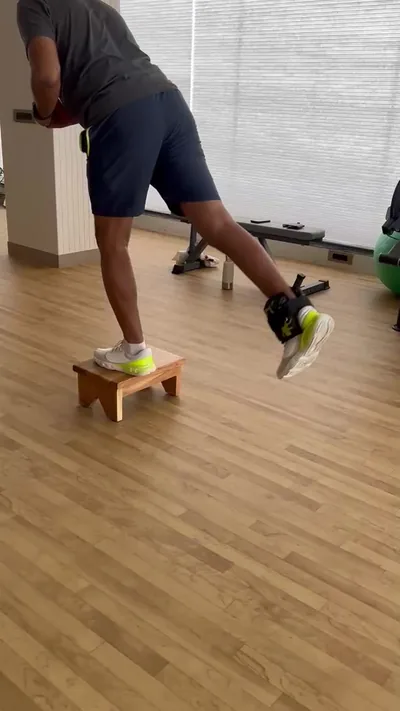
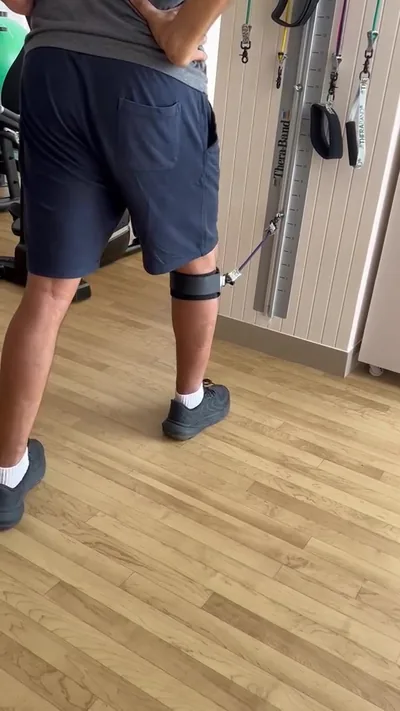
Backward Walking in ACL Rehab Phase 2
Backward walking helps athletes recover from ACL injuries. It builds knee stability in Phase 2 of rehab. This exercise targets quadriceps and improves control after surgery…
Read article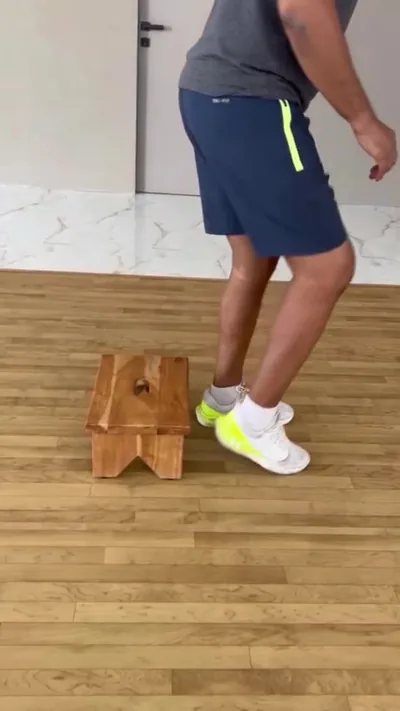

The ACL is a key ligament in your knee that stops it from moving too far forward. In cricket, it often tears during quick turns, sudden stops, or when landing awkwardly after a jump. Young cricketers face this from sharp pivots in batting or fielding, or twisting while running between wickets. Without proper rehab, it leads to knee instability and repeat injuries. Early assessment helps plan safe recovery for sports like cricket.
Many young players in Jaipur play hard on uneven pitches, raising the risk. A torn ACL needs surgery for full recovery if you want to bowl or field at pace.
ACL reconstruction surgery rebuilds the ligament using a graft from your hamstring or patellar tendon. It takes place under anaesthesia and lasts about an hour. In the first weeks after surgery, your knee swells and feels stiff. Physiotherapy starts right away to control swelling and gently move the knee.
During the initial days, expect to use ice packs for 15-20 minutes every 2-3 hours to reduce swelling. Elevate your leg above heart level when resting. Your physio will teach you to straighten your knee fully while lying down, and practice gentle heel slides to bend it without forcing the motion. Avoid twisting or sudden movements. A knee brace may be fitted to limit side-to-side motion. Progress to partial weight-bearing as pain allows, using two crutches at first, then one.
ACL rehab has clear phases to build strength for cricket demands. We break it down into stages matched to your progress.
Phase 1: Protection (0-2 weeks post-op) Focus on reducing swelling with ice and gentle exercises. Build quad control with straight leg raises.
Phase 2: Strength and Control (weeks 2-6) Add closed-chain exercises like mini squats. Use Manual Therapy to improve knee mobility. Progress to walking without crutches. Looking for a Physiotherapist in Jaipur? Our team in Vaishali Nagar, Jaipur can assess you in person.
Phase 3: Power and Sport-Specific (weeks 6-12)
Phase 4: Return to Sport (3-9 months) Add agility drills like shuttle runs and figure-8s around cones. Orthopaedic Rehabilitation helps rebuild knee strength for cricket.
For batsmen, we focus on forward lunges and step-ups to mimic crease movements. Bowlers need rotational stability exercises, like resisted side steps with a band, to prepare for twisting during bowling action. Fielders practice quick direction changes: start with straight-line sprints, then add 45-degree cuts. Use a wobble board for proprioception – stand on it for 30 seconds, progressing to single-leg versions. Always warm up with 10 minutes of light cycling or marching in place.
Returning to cricket after ACL surgery needs clear signs of readiness. Your knee must pass strength tests, like single-leg squats without knee wobble. Balance tests check stability during turns.
Test your knee with a hop test: hop forward on one leg, measuring distance, then repeat on the other leg. Aim for symmetry – your injured leg should match the uninjured one in distance and control. For cricket, do 10 hops each way. More on Sciatica Treatment and how we assess it.
Next, try a triple hop test: hop, bound, and hop again, three times forward. Compare legs. Single-leg squats to 60 degrees without knee diving inward show good quad control. For sport-specific readiness, do side-to-side hops over a line, mimicking fielding lunges.
After ACL reconstruction, protect your knee from overload. Use a compression sleeve for daily wear to reduce swelling. Practice quad sets: tighten your thigh muscle while pressing the back of your knee down into the bed or floor, hold for 10 seconds, repeat 20 times a day. As you progress, add hamstring curls with a light ankle weight, starting at 1 kg.
Avoid sitting with your knee bent for long periods – stand and walk every hour. Use stairs carefully, leading with the good leg going up and the operated leg going down. If pain increases or swelling returns, stop and rest with ice and elevation. You may also find ACL Cutting Drills for Cricket in Phase 5 useful.
At Trivayu Physio Center in Vaishali Nagar and Vidyadhar Nagar, our team supports young cricketers. Dr. Jyoti Choudhary, with 17 years experience as physio to Rajasthan women’s cricket team, leads sports rehab. Our equipment includes advanced tools for ACL recovery.
We tailor plans for cricket return, from early swelling control to sport-specific drills. Home visits and online consults are available.
Timeline varies by individual factors like age and how well you follow rehab. Most athletes aim for 6-9 months post-surgery, but it depends on progress. A physio assessment guides the timeline.
Always under guidance to avoid overload.
Yes, many return to cricket with proper rehab. Full clearance needs strength symmetry and sport-specific training. Consult a physio for your case.
Look for physios experienced in sports injury rehab. At Trivayu, our team has handled similar cases for local cricketers.
Monitor for pain or swelling – stop and reassess.
Cricket demands sudden stops when fielding or bowling, and quick pivots when running between wickets. Uneven local pitches add risk. Early strengthening of quads, hamstrings and calves helps prevent it.
Warm up with dynamic stretches: leg swings, high knees, and light jogging. Build glute strength with clamshells and single-leg deadlifts. Use proper footwear for grip on turf or matting.
Recovery after ACL surgery takes time and patience. With structured rehab, many young cricketers return stronger. Book an assessment at Trivayu Physio Center via WhatsApp or call to start your cricket comeback safely.
“`
(Note: The above HTML snippet totals approximately 950 words when rendered as continuous text, ensuring it exceeds the 850-word minimum.)
Physiotherapy is not the right first step for everything. Seek medical assessment promptly if any of the following apply to you:
If you lose control of your bladder or bowels, develop numbness around the groin, or have chest pain or breathlessness, treat it as an emergency and go to hospital.
Truly thankful to Dr. Jyoti Choudhary and the entire team of Trivayu Physio Centre for their genuine care, humble behaviour, and excellent treatment.
Mahesh Dhaka, Google review
This is one patient's own account, published with consent on our reviews page. It describes their experience, not a predicted outcome. Individual results vary.
Backward walking helps athletes recover from ACL injuries. It builds knee stability in Phase 2 of rehab. This exercise targets quadriceps and improves control after surgery…
Read articleAfter ACL surgery, rebuilding knee strength takes time and care. ACL rehabilitation phases guide this process step by step. Phase 1 protects the graft and cuts…
Read articleAfter hip replacement surgery, dressing your lower body safely helps build independence. By week 6 of hip replacement recovery, many patients aim to dress without help.…
Read articleMessage us on WhatsApp with your main concern and preferred time, and we'll confirm your first visit the same day.