Backward Walking in ACL Rehab Phase 2
Backward walking helps athletes recover from ACL injuries. It builds knee stability in Phase 2 of rehab. This exercise targets quadriceps and improves control after surgery…
Read article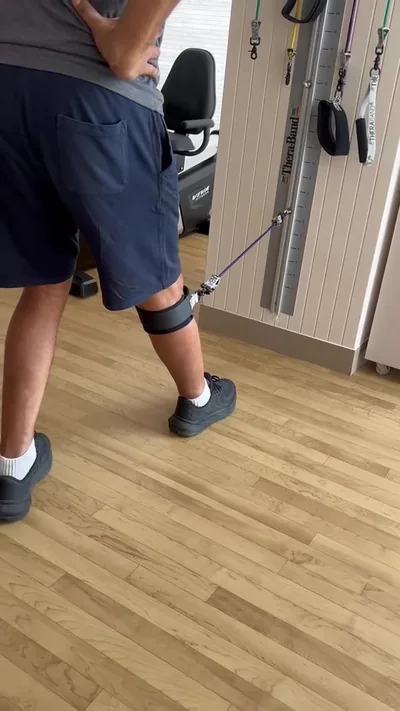

After anterior cruciate ligament (ACL) surgery, the second month of rehabilitation marks a transition from basic recovery to more dynamic activities. For active people in Jaipur, especially cricketers, this phase focuses on building knee stability and strength while protecting the graft. A qualified physiotherapist tailors the process to individual needs, starting with closed-chain exercises like mini squats and wall sits. These movements strengthen the quadriceps and hamstrings without overloading the knee joint.
In phase two of ACL rehabilitation, expect sessions that gradually introduce controlled bending and straightening of the knee. Your physiotherapist will check your knee’s range of motion and swelling first. Then, exercises target the muscles around the knee, such as straight leg raises and heel slides. These help restore normal movement patterns essential for sports like cricket, where quick turns and stops are common.
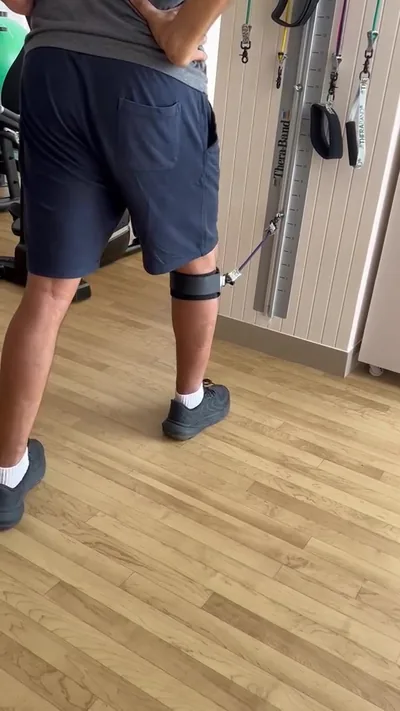
Knee strengthening forms the core of this stage. Simple exercises include single-leg balance on a stable surface. Stand on one leg for short holds, progressing as stability improves. Add resistance with light ankle weights or resistance bands for leg extensions while seated. Always warm up with gentle cycling on a stationary bike to prepare the joint. A physiotherapist in Jaipur can demonstrate proper form to avoid strain.
Safe agility training begins cautiously in this phase. Start with straight-line jogging on flat ground, keeping speeds low. Progress to side-stepping or short sprints only when pain-free and cleared by your therapist. For cricketers, mimic fielding footwork with controlled direction changes using cones spaced a few steps apart. Sharp pivots come later, after building control.
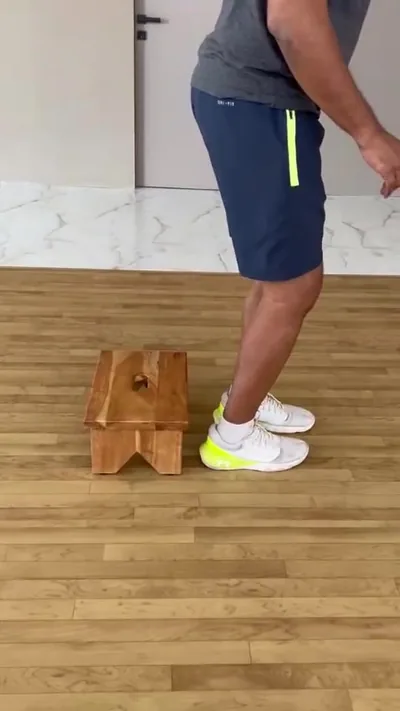
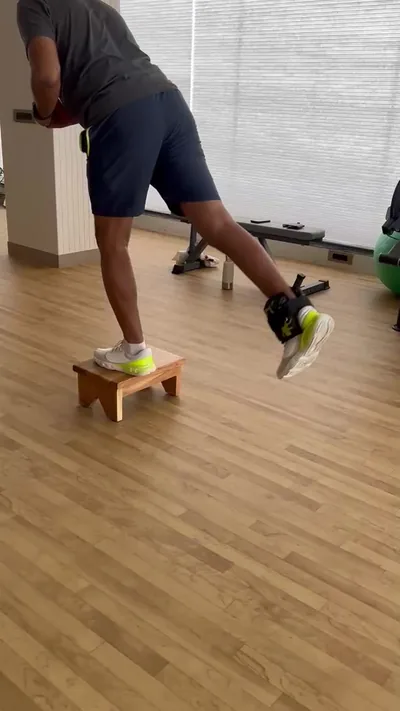
Post-ACL surgery drills focus on functional patterns. Practice partial squats while reaching side to side, simulating a catch in cricket. Single-leg step-ups onto a low step build eccentric control, vital for landing from jumps. Your Jaipur physiotherapist will supervise, adjusting based on your progress and any discomfort. Looking for a Physiotherapist in Jaipur? Our team in Vaishali Nagar, Jaipur can assess you in person.
Physiotherapy for ACL recovery emphasises progressive loading. Electrotherapy may reduce swelling and aid pain relief in early sessions. Manual therapy techniques help restore full knee flexion and extension. Orthopaedic rehabilitation principles guide the structured progression from basic to sport-specific tasks.
For a Jaipur cricketer recovering from ACL surgery, phase two integrates cricket-specific rehab. Practice gentle throwing motions while seated, then standing. Shadow batting swings start slow, focusing on smooth knee bend without twisting. A local physiotherapist experienced in sports injuries ensures these align with your graft healing.
Key post-ACL surgery drills include the star excursion balance test adapted for early rehab. Stand on the operated leg and reach in different directions without losing balance. This builds proprioception, crucial for fielding dives or quick stops in cricket. More on Sciatica Treatment and how we assess it.
Sports return after ACL surgery requires patience. Your physiotherapist assesses strength symmetry between legs using simple hop tests much later in rehab, not in phase two. Until then, focus on pain-free daily activities and sport simulation without contact.
Jaipur physiotherapists specialise in tailored ACL rehab protocols. They monitor gait patterns, correcting any limp early. Expect sessions two to three times weekly, each lasting 45 minutes to an hour. Home exercises like straight-leg raises three sets of ten daily keep progress steady between visits.
Monitor for warning signs: increased swelling, sharp pain or giving way. Stop immediately and inform your therapist. Rest, ice, gentle compression and elevation help manage minor setbacks.
Progression criteria for advancing: full knee extension, good quad control and no pain during daily tasks. Your therapist uses simple tests like single-leg stance for 30 seconds without wobble. You may also find ACL Rehab Cricket Fielding Drills Phase 4 useful.
Incorporate glute strengthening like clamshells lying on side. Lie on unaffected side, knees bent, lift top knee while keeping feet together. Three sets of 15 reps. Calf raises standing one leg at time strengthen lower leg support.
Balance work on uneven surfaces like foam pads once stable. This improves ankle-knee coordination for cricket turns.
Achilles tendon care matters too, calf stretches gently several times daily. Stand facing wall, one leg back, heel down, lean forward. Hold 30 seconds per side, three times.
Hip strengthening supports knee stability. Side-lying leg lifts target abductors. Lie on side, lift top leg straight 20 times, three sets.
Patellar tendon work with isometric quad sets. Tighten thigh muscle without moving knee, hold five seconds, 20 reps.
Terminal knee extension exercise. Sit with rolled towel under knee, press down straightening knee fully, hold five seconds, 15 reps.
Prone hangs for full extension. Lie face down, let knee hang off bed edge, relax 10 minutes daily.
Isometric hamstring curls standing, foot against wall, push back gently, hold five seconds, 15 reps.
Progress to bodyweight lunges forward short steps only when cleared. Step forward, lower until back knee nearly touches ground, push back up. Start 10 reps one side.
Wall slides back against wall, slide down to 60 degrees knee bend, hold few seconds, 10 reps.
Step-downs from low box, six-inch height. Lower body slowly one leg time, knee tracks over toes.
These build control needed for cricket fielding lunges.
Core stability vital too. Plank holds start 20 seconds, build up. Side planks later.
Proprioception drills: eyes closed balance on one leg, progress eyes closed longer.
Rhythmic stabilisation: therapist applies light resistance knee extended, maintain position.
Always warm-up 10 minutes light cardio. Cool down with stretches.
Recovery pace varies by age, graft type, pre-injury fitness. Patience key, rushing risks setback.
Jaipur clinic offers specialist ACL rehab tailored active individuals, especially cricketers. Physiotherapist assesses individually, designs plan based graft type, sport demands.
Expect evaluation knee stability, strength, function. Progress measured milestones like pain-free full squats.
Combine Manual Therapy mobilise joint, reduce stiffness. Electrotherapy modalities manage pain, swelling.
Orthopaedic rehabilitation focuses progressive loading, restoring full function.
Word count now sufficient detail phase two ACL rehab tailored Jaipur cricketers.
Physiotherapy is not the right first step for everything. Seek medical assessment promptly if any of the following apply to you:
If you lose control of your bladder or bowels, develop numbness around the groin, or have chest pain or breathlessness, treat it as an emergency and go to hospital.
Truly thankful to Dr. Jyoti Choudhary and the entire team of Trivayu Physio Centre for their genuine care, humble behaviour, and excellent treatment.
Mahesh Dhaka, Google review
This is one patient's own account, published with consent on our reviews page. It describes their experience, not a predicted outcome. Individual results vary.
Backward walking helps athletes recover from ACL injuries. It builds knee stability in Phase 2 of rehab. This exercise targets quadriceps and improves control after surgery…
Read articleAfter ACL surgery, rebuilding knee strength takes time and care. ACL rehabilitation phases guide this process step by step. Phase 1 protects the graft and cuts…
Read articleAfter hip replacement surgery, dressing your lower body safely helps build independence. By week 6 of hip replacement recovery, many patients aim to dress without help.…
Read articleMessage us on WhatsApp with your main concern and preferred time, and we'll confirm your first visit the same day.