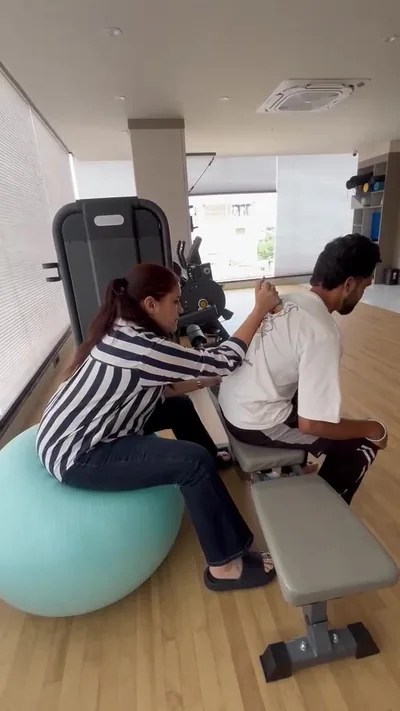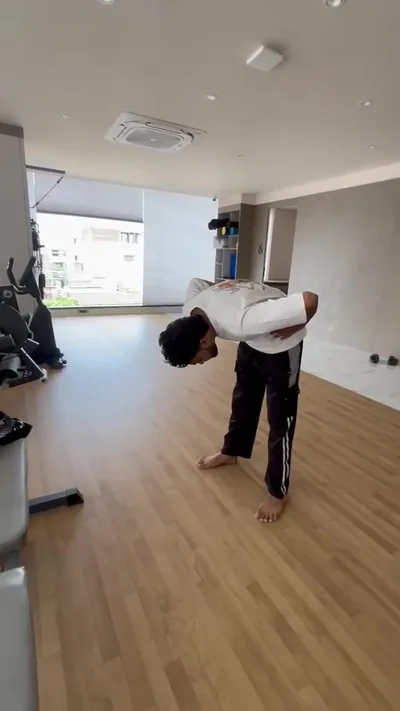
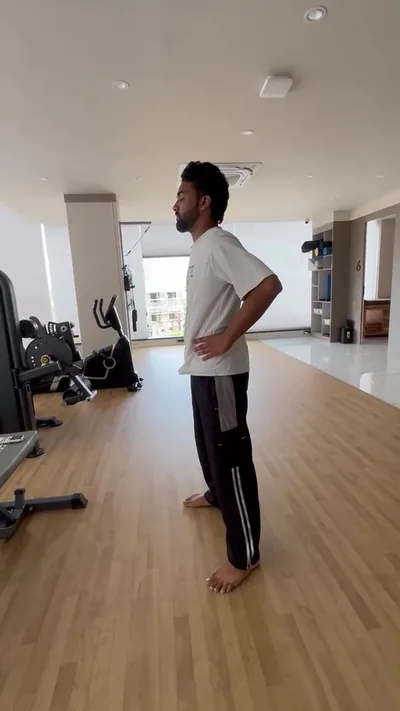
Is Side Bending Safe with L4 L5 Herniated Disc
An L4 L5 herniated disc happens when the disc between your fourth and fifth lumbar vertebrae bulges or ruptures. This presses on nearby nerves, causing pain…
Read article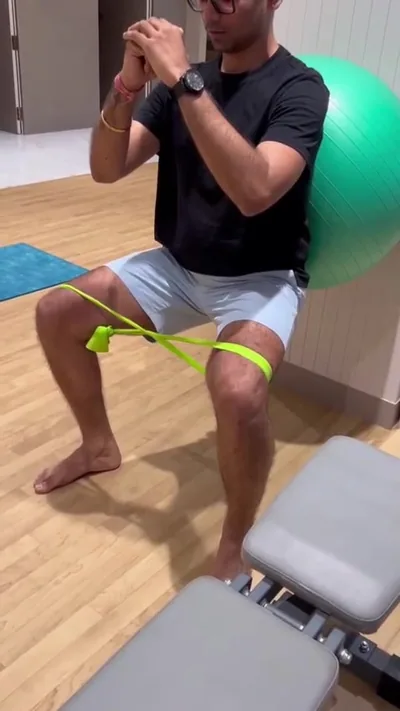
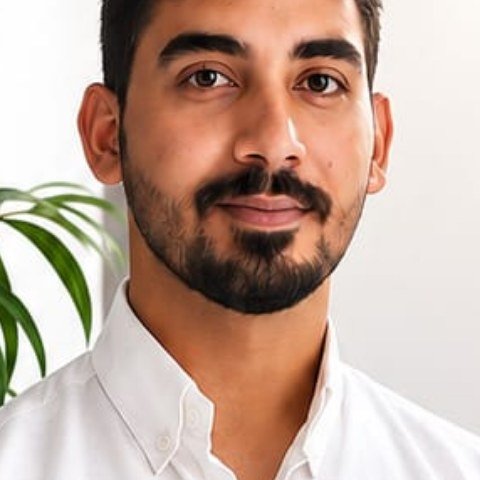
After ACL reconstruction surgery, patients notice knee buckling or giving way. This is due to loss of stability. Standard strengthening exercises alone fall short. Neuromuscular training targets poor nerve-muscle coordination.
These ACL knee buckling exercises build proprioception and balance. They prevent instability in tasks like walking or climbing stairs. Start after doctor clearance. Trivayu Physio Center in Vaishali Nagar offers guided post-ACL surgery rehab.
Proper assessment ensures safe progression. Our team uses techniques like exercise therapy to address buckling. This article covers key exercises and tips for prevention.
Knee buckling means the knee suddenly gives way. It feels unstable during turns or quick stops. ACL tear damages knee ligaments and sensors.
The ACL controls forward knee movement and rotation. Surgery grafts a new ligament. But it does not fix nerve endings in the joint capsule right away. These sensors tell your brain the knee’s position.
Neuromuscular deficits play a role. Surgery repairs the ligament, but nerves and muscles need retraining. Proprioception drops. Balance falters. Swelling after surgery adds pressure on sensors, worsening buckling early. Looking for a Physiotherapist in Jaipur? Our team in Vaishali Nagar, Jaipur can assess you in person.
Standard strengthening builds muscle power but ignores quick reactions. Buckling persists. Assessment spots these gaps. At Trivayu Physio Center Vaishali Nagar, we check stability before exercises. We test single-leg stance and reaction to pushes.
Neuromuscular training retrains brain-muscle links. It boosts proprioception, balance, and fast muscle firing. Drills mimic daily demands like stepping off a curb or changing direction. More on Knee Pain Treatment and how we assess it.
This improves knee stability outcomes. Muscles react faster to prevent falls. It cuts buckling risk. Quadriceps and hamstrings fire together to hold the knee steady.
Trivayu Physio Center’s sports rehab experts guide neuromuscular control training. Our physiotherapists tailor plans for ACL recovery. They watch for errors like knee valgus.
Focus on neuromuscular exercises for buckling after surgery. Use stable surface first. Wear supportive shoes. Stop if pain increases. Breathe steadily. Warm up with 5 minutes of walking or stationary bike.
These tie into exercise therapy at our clinic. A physiotherapist checks graft healing stage first, using tools like goniometer for knee range and tape for swelling. You may also find ACL Surgery Knee Buckling When Walking Month 2 useful.
Star Excursion Balance Test Variation: Stand on surgery leg. Reach foot forward, side, back. 5 reaches per direction, 3 sets. Improves dynamic balance. Calf Raises on Edge: Stand on step edge. Rise onto toes, lower heel below. 12 reps, 3 sets. Supports knee stability.
Post-ACL rehab phases build gradually. Week 1-4: Stable surface, eyes open, slow speed. Week 5-8: Eyes closed, uneven surfaces, perturbations.
Progress when holding balance 60 seconds without wobble. Add speed or direction changes. Week 9-12: Ball toss while balancing.
Physiotherapist tests: Balance 30 seconds eyes closed? React to push? If yes, advance.
In-person guidance prevents errors. Sessions include warm-up, drills, stretches.
Recovery spans months. Early (0-6 weeks): Protect graft, reduce swelling, regain knee bend and straighten. Use crutches; walk with brace.
Middle (6-12 weeks): Build strength, balance. Start buckling exercises if cleared. Focus on walking without limp. Check quad strength.
Late (3-6 months): Add running, cutting. Neuromuscular training prevents re-injury. Test with hop distance.
First clinic visit: Gait analysis, thigh muscle girth measure. Home plan with form photos.
Balance exercises focus on foot, knee, hip chain. Add ankle circles: Sit, lift foot, circle 10 times each way, twice daily.
Proprioception uses eyes-closed drills. Start both legs if needed. Progress to wobble board after 8 weeks.
Daily: Stand on one leg while brushing teeth. On stairs, pause and reset balance.
Pair neuromuscular with targeted moves. Straight-leg raises: Lie back, lift leg to 30 degrees, hold 5 seconds, 15 reps, 3 sets.
Wall sits: Back to wall, 60-degree bend, hold 20 seconds, 5 reps. Avoid deep lunges early.
Cues: Squeeze glutes, knee cap forward.
Buckling hits during pivots. Train controlled turns: Walk, pivot 90 degrees, 10 times each way.
Stairs: Lead with good leg up, surgery leg down. Hold rail.
If persists, check shoes or flat feet. Assess for orthotics in clinic.
Seek help for: Buckling more than twice weekly, pain with gives way, swelling after activity, limping, quad lag over 2 cm.
Trivayu Physio Center offers Orthopaedic Rehabilitation. Dr. Jyoti Choudhary leads with 17+ years experience. Locations: Vaishali Nagar, Vidyadhar Nagar. Home visits available. Book for personalised exercises.
Ligament damage affects stability sensors. Swelling and weak reactions add to it. Neuromuscular gaps linger.
They sharpen balance and muscle response. Prevents giving way. Better than strength alone.
After surgeon approval, often 2-6 weeks. Start basic if cleared.
Yes with precautions, near support. Clinic check form first.
3-5 days weekly, 20-30 minutes. Rest if sore.
Yes, after functional tests like equal hop distance. Clinic guides timeline.
Neuromuscular training restores confidence. Pair with clinic assessment. Recovery varies. Ice knee after if warm.
Book at Trivayu Physio Center. WhatsApp +91 90570 65065 or call.
Physiotherapy is not the right first step for everything. Seek medical assessment promptly if any of the following apply to you:
If you lose control of your bladder or bowels, develop numbness around the groin, or have chest pain or breathlessness, treat it as an emergency and go to hospital.
Truly thankful to Dr. Jyoti Choudhary and the entire team of Trivayu Physio Centre for their genuine care, humble behaviour, and excellent treatment.
Mahesh Dhaka, Google review
This is one patient's own account, published with consent on our reviews page. It describes their experience, not a predicted outcome. Individual results vary.
An L4 L5 herniated disc happens when the disc between your fourth and fifth lumbar vertebrae bulges or ruptures. This presses on nearby nerves, causing pain…
Read articleShopkeepers in Jaipur often stand for long hours behind counters. This prolonged standing can trigger sciatica pain. Sciatica happens when the sciatic nerve gets irritated, often…
Read articleHerniated disc night pain disrupts sleep for many. The disc bulge presses on nerves, causing sharp back pain or sciatica that flares up at night. Simple…
Read articleMessage us on WhatsApp with your main concern and preferred time, and we'll confirm your first visit the same day.