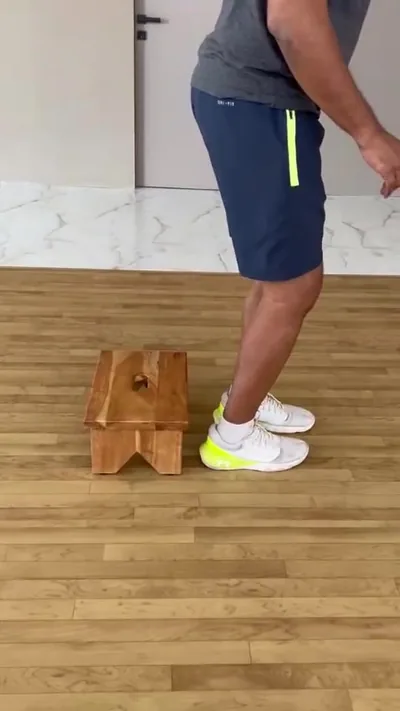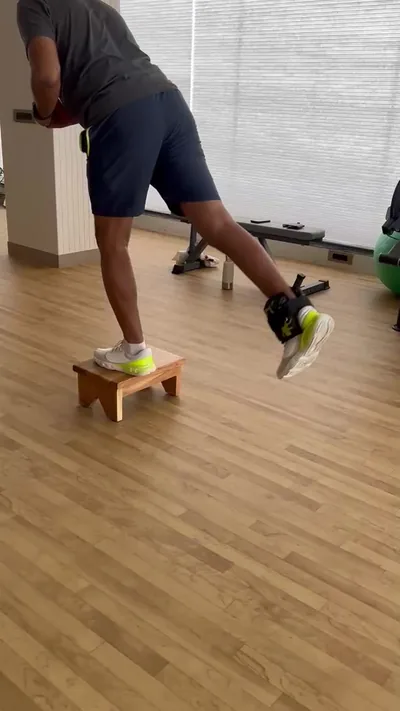
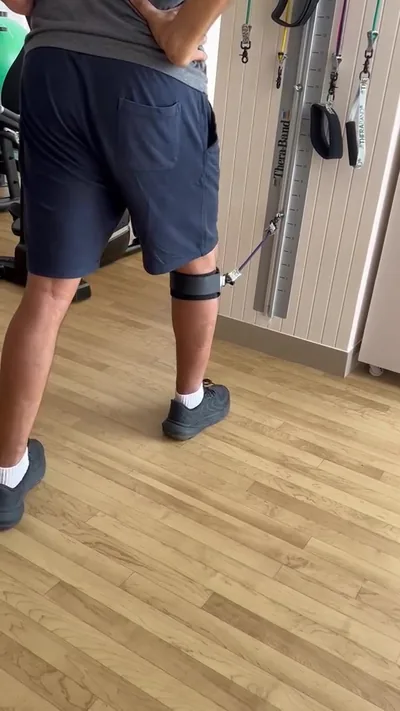
Backward Walking in ACL Rehab Phase 2
Backward walking helps athletes recover from ACL injuries. It builds knee stability in Phase 2 of rehab. This exercise targets quadriceps and improves control after surgery…
Read article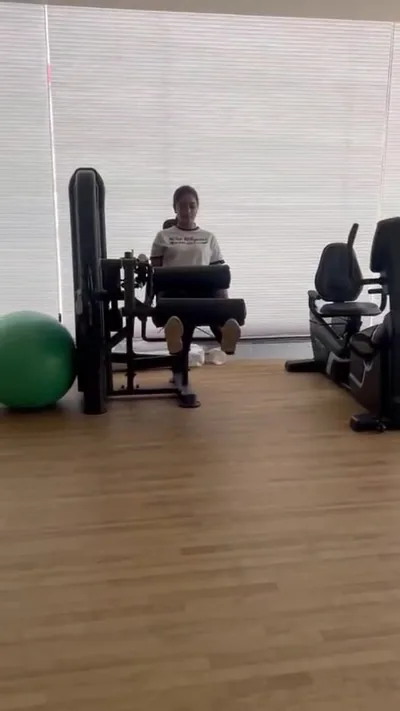
After ACL surgery, your knee brace supports healing in month 2 of recovery. A poor ACL knee brace fit can cause pain or slow progress. Many make simple errors with straps or alignment. This guide shows common mistakes and how to check fit at home.
Proper ACL knee brace fit protects the knee during walks and exercises. It prevents extra strain on the graft. Adjustments matter as swelling changes. Spot errors early to stay on track with rehab.
Focus on comfort and stability. Self-checks help, but see a physio for issues. Trivayu Physio Center in Vaishali Nagar, Jaipur, handles post-surgery rehab like this.
In month 2 ACL recovery, the brace limits risky movements. It holds the knee steady while you build strength. A good fit follows the leg’s shape without gaps or pinches.
The brace role grows as you add exercises. It shields the knee from twists during daily tasks. Swelling drops over weeks, so knee brace adjustment after surgery often needs tweaks. In early month 2, your knee may still swell after activity. Measure thigh and calf with a tape weekly. Loosen straps if size drops more than two centimetres. Tighten gradually as you walk more.
Physios check brace fit by watching your gait. They note if the knee buckles or hinges drag. At home, mimic this: stand on one leg for 10 seconds. If the brace wobbles, adjust hinges to match knee centre.
Common need for adjustments comes from changing leg size. Ignore this, and the brace slips or rubs. Check fit weekly or after activity spikes. Month 2 brings partial weight-bearing walks. The brace must track knee motion smoothly then. Looking for a Physiotherapy Clinic Near Me? Our team in Vaishali Nagar, Jaipur can assess you in person.
People often fit the ACL brace too tight. This cuts blood flow and causes numbness. An ACL brace too tight feels like a vice and raises pain risk. New users overtighten top straps first, which bows the brace frame.
Too loose is another fault. The brace shifts, letting the knee move wrongly. Strap misalignment pulls unevenly, creating pressure spots. Front straps often sit crooked, pulling calf inward.
Ignore hinge alignment, and the knee tracks off-path. Swelling changes worsen this. Common knee brace errors like these lead to rubbing or instability. Velcro wears out, causing slips. Replace pads if foam flattens.
A physio approach spots these fast. They use a goniometer to match hinge angles to your knee range. At home, draw lines on skin at joint line before fitting. Hinges must align with those marks.
Start your knee brace fit check seated with the leg straight. Slide on the brace, matching hinges to knee sides. Centre the brace so calf cuff hugs evenly.
Fasten bottom strap first, then up. Each strap should snug without gaps. Slide two fingers under – if not, loosen. Pull straps perpendicular to leg, not angled. More on Knee Pain Treatment and how we assess it.
If fit goes wrong, like pain on motion, loosen and retry. Re-check after 10 minutes standing. Note changes in a journal: time, activity, adjustments made.
Pain during wear signals bad proper ACL knee brace fit. Rubbing causes blisters or red marks. Instability feels like wobble on steps.
Impact on walking shows in limps or knee give-way. Exercises hurt more with poor fit. Track if brace shifts mid-activity. Month 2 exercises like mini-squats stress fit. Pain here means re-assess.
These mean book a physio assessment. Do not push through. Physios tape over hotspots or add foam shims for custom fit.
Clean the brace daily with mild soap. Dry fully before reuse. Loosen for skin checks twice daily. Apply lotion to dry spots, but avoid straps.
Adjust for activities: snugger for walks, looser for sits. Pair with exercises like straight-leg raises. Manual Therapy can ease tight spots around the knee.
Boost ACL brace comfort with cotton liners under pads. Wear thin socks to cut friction. For night wear if prescribed, prop leg on pillow to reduce pressure. Month 2 swelling ebbs unevenly – morning fits looser, evening tighter. Adjust before bed.
Post ACL surgery brace wear lasts 4-6 weeks typically, but follow your surgeon. Remove only for showers or physio checks. Month 2 shifts to 30-degree flexion often. Set hinges there; test by sitting with knee over chair edge.
In Jaipur, visit Trivayu Physio Center at Vaishali Nagar or Vidyadhar Nagar. Dr. Hritika Choudhary aids post-op rehab. Home visits or online consults available. Electrotherapy helps pain alongside brace use. Orthopaedic Rehabilitation builds strength safely with brace tweaks. You may also find Knee Exercises After ACL Surgery Month 2 useful.
Snug but comfortable. Two fingers should fit under straps. No numbness or colour change in toes. Tighten for activity, loosen at rest. Check toes wiggle freely every 30 minutes.
Pain, rubbing, slipping, or odd knee movement. Swelling worsens or numbness starts. Instability on uneven ground warns too. Brace creaks or gaps open on steps.
Daily, plus after swelling shifts or new exercises. Weekly full checks catch slow changes. Log strap positions to spot patterns.
Yes, it adds stress or limits motion right. Poor fit risks re-injury or weak rehab gains. Fix early. It blocks proper muscle firing around knee.
If self-check fails or pain grows. Book at Trivayu Physio Center for hands-on fit and rehab plan. They adjust hinges precisely and watch your squat form.
Loosen all straps first. Realign hinges to joint line. Refasten from bottom: snug, not tight. Walk-test immediately. If swelling drops, cinch 1-2 notches weekly.
Flat padding, even straps, daily cleans. Line with soft cloth. Loosen hourly if sitting long. Physio shows padding tweaks for hotspots.
Avoid ACL rehab brace mistakes for smoother month 2 ACL recovery. Proper fit boosts ACL brace comfort and safety. Self-checks work, but expert eyes spot hidden issues. Month 2 demands precise knee brace adjustment after surgery to match growing strength.
What to expect at physio: they remove brace, assess range, refit on spot. They demo exercises in brace, like heel slides or bike if ready. Track progress with tape measures and gait videos.
Book an assessment at Trivayu Physio Center, Vaishali Nagar, Jaipur. WhatsApp +91 90570 65065 or call to start.
Physiotherapy is not the right first step for everything. Seek medical assessment promptly if any of the following apply to you:
If you lose control of your bladder or bowels, develop numbness around the groin, or have chest pain or breathlessness, treat it as an emergency and go to hospital.
Truly thankful to Dr. Jyoti Choudhary and the entire team of Trivayu Physio Centre for their genuine care, humble behaviour, and excellent treatment.
Mahesh Dhaka, Google review
This is one patient's own account, published with consent on our reviews page. It describes their experience, not a predicted outcome. Individual results vary.
Backward walking helps athletes recover from ACL injuries. It builds knee stability in Phase 2 of rehab. This exercise targets quadriceps and improves control after surgery…
Read articleAfter ACL surgery, rebuilding knee strength takes time and care. ACL rehabilitation phases guide this process step by step. Phase 1 protects the graft and cuts…
Read articleAfter hip replacement surgery, dressing your lower body safely helps build independence. By week 6 of hip replacement recovery, many patients aim to dress without help.…
Read articleMessage us on WhatsApp with your main concern and preferred time, and we'll confirm your first visit the same day.