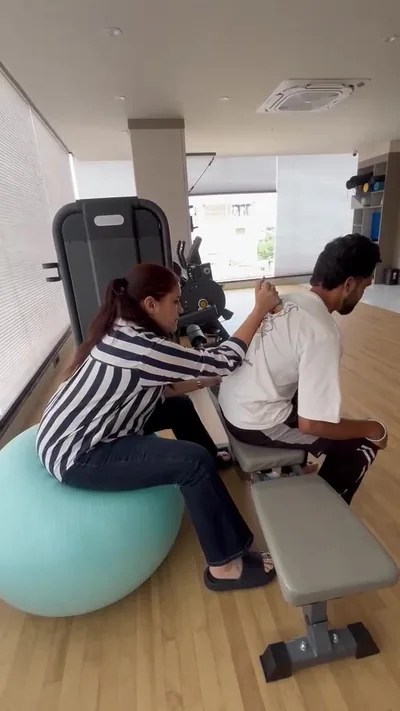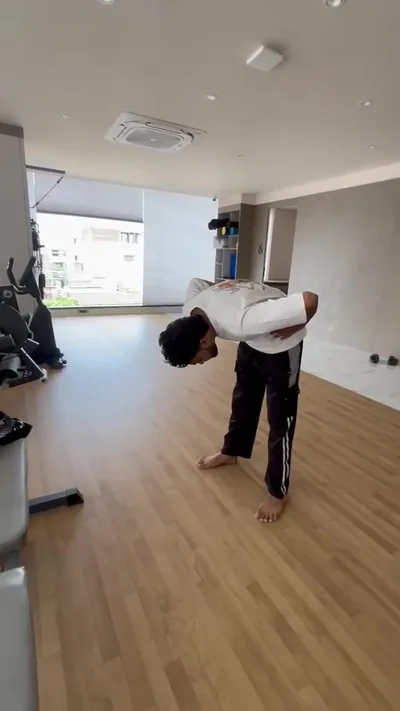
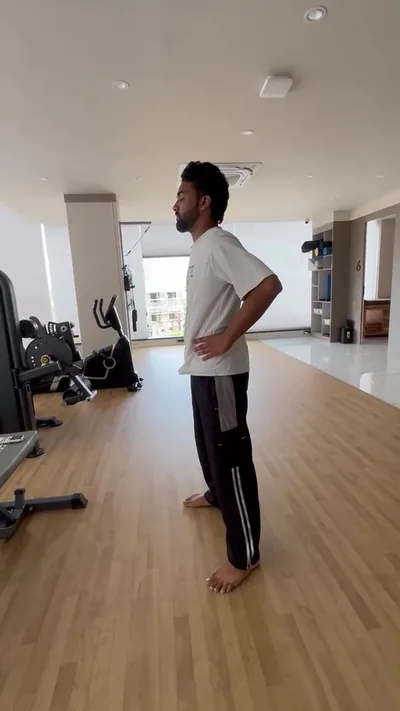
Is Side Bending Safe with L4 L5 Herniated Disc
An L4 L5 herniated disc happens when the disc between your fourth and fifth lumbar vertebrae bulges or ruptures. This presses on nearby nerves, causing pain…
Read article

At week 6 after ACL surgery, your graft is healing but still delicate. This stage marks a shift towards more demanding knee rehab progression. Patients often move from double leg support to introducing single leg exercises. The goal is safe weight bearing without overloading the graft.
Progression depends on your body’s response. Overloading risks setbacks like swelling or pain. Trivayu Physio Center in Vaishali Nagar and Vidyadhar Nagar guides patients through this ACL recovery timeline. Always get an in-person check before advancing.
These exercises build on earlier post ACL surgery rehab phases. They protect the graft while building strength. Listen to your knee and stop if anything feels wrong.
By week 6, the ACL graft has started integrating with your bone tunnels. Healing is ongoing, making graft protection exercises key. Risks of overload include graft stretching or inflammation, which can delay recovery.
Safe progression principles guide this phase. Start with double leg activities to distribute load evenly. Gradually introduce single leg shifts only if pain-free and stable. This reduces stress on the healing knee.
Your physiotherapist assesses readiness. Factors like swelling, range of motion, and muscle strength determine if you advance. Rushing leads to problems. They check knee stability by testing controlled movements and watching for any wobble or compensation from the hip or ankle.
Double leg exercises first ensure even weight distribution. This protects the graft during knee strengthening week 6. Once stable, criteria for single leg shift include no pain during double leg work, full weight bearing without limp, and minimal swelling. Looking for a Physiotherapist in Jaipur? Our team in Vaishali Nagar, Jaipur can assess you in person.
Bodyweight limits matter. Stick to your weight only—no added loads yet. Monitor pain and swelling after each session. If either increases, step back. Begin sessions with a 5-minute warm-up on a stationary bike or marching in place to increase blood flow without stress.
Weight bearing advances in steps. Week 6 often allows full weight bearing if earlier phases went well, but single leg work starts partial. Use a mirror to check knee alignment—keep it over your second toe, not caving inward.
Begin with double leg squats. Stand feet shoulder-width apart, core tight. Lower until thighs near parallel to the floor, keeping knees over toes. Rise slowly. Do 3 sets of 10 repetitions, twice daily if comfortable. Breathe out on the way up. This builds quad strength safely.
Progress to single leg squats only if ready. Hold a chair or wall for support. Bend the operated knee slightly, lowering 10-20 cm. Keep the knee tracking straight. Aim for 3 sets of 8 per leg. If balance falters, stay double leg.
Bridges follow. Lie on your back, feet flat hip-width apart, arms by sides. Lift hips by squeezing glutes, forming a straight line from knees to shoulders. Hold 3 seconds, lower slowly. Do 3 sets of 10. For single leg bridge, lift one foot off the ground and raise hips with the operated leg. Start with 3 sets of 5-8 reps.
Balance work helps proprioception. Stand on the operated leg for 30 seconds, eyes open first. Progress to eyes closed if steady. Use a wall for light touch support. Do 3 sets per leg. This trains the knee’s position sense, vital for stability. More on Sciatica Treatment and how we assess it.
Wall sits build endurance. Lean against a wall, slide down until knees at 60 degrees, thighs parallel. Hold 20-30 seconds, 3 sets. Feet shoulder-width, operated leg doing equal work. Manual Therapy may ease tightness first, followed by these moves 3-4 times weekly, resting a day between.
Post ACL surgery rehab follows phases tied to graft healing. Weeks 1-2 focus on reducing swelling with ice, elevation, and gentle range of motion. Crutches support partial weight bearing, advancing as pain allows.
Weeks 3-4 introduce closed-chain exercises like mini squats and heel slides. Quad sets activate the muscle without full weight. By week 6, with graft integration starting, knee strengthening ramps up. Expect 45-60 minute sessions, 3-4 days a week.
Your physiotherapist designs this based on in-person tests. They measure knee bend, straighten, and strength with tools like a dynamometer if needed. Orthopaedic Rehabilitation tailors the load to your graft’s tolerance.
Knee rehab progression at week 6 prioritises graft protection exercises. These maintain healing while challenging muscles. Hamstrings get attention too—do prone hamstring curls: lie on stomach, bend knee slowly against gravity, 3 sets of 10. You may also find Single Leg Loading Drills in ACL Phase 2 useful.
Calf raises protect the lower leg chain. Stand feet parallel, rise onto toes evenly, lower slowly. Start double leg, 3 sets of 15, then single if stable. This supports overall knee control.
Electrotherapy might reduce swelling before exercises. Your physio applies it briefly, then guides form. Home practice reinforces clinic work—do exercises daily but monitor response.
Pain indicators demand caution. Sharp knee pain during or after exercise means stop. Dull ache that lasts over 2 hours also signals overload. Rate pain on a 0-10 scale; stay under 3/10.
Swelling checks are simple. Measure thigh or knee circumference with a tape each morning and evening. Increase over 2 cm means reduce loading, add ice 15-20 minutes, elevate above heart level.
Track progress in a notebook: reps completed, pain level, swelling measure. Share at your next visit for adjustments.
A physiotherapist tailors your ACL rehab week 6 plan. They spot form errors like knee valgus (inward collapse) that stress the graft. Dr. Jyoti Choudhary, Senior Sports & Orthopaedic Physiotherapist with 17+ years, oversees complex cases. She works with teams like Rajasthan Senior Women’s Cricket, ensuring precise progression.
Trivayu Physio Center offers spots in Vaishali Nagar (204, 2nd Floor, Om Tower, Gandhi Path Road, Nemi Nagar) and Vidyadhar Nagar at Rangoli Gardens. Hours: Monday to Saturday 8 am to 8 pm, Sunday 10 am to 1 pm.
Book for safe single leg exercises advancement. Home visits and online consultations available too. Expect a full assessment: gait analysis, strength tests, and custom plan.
Safe means double leg exercises first, progressing to partial single leg if pain-free. No jumping or twisting. Monitor swelling daily.
Shift when double leg work causes no pain or swelling, full weight bearing is easy, and balance holds 30 seconds single leg.
Start bodyweight double leg. Add single leg holds. Increase reps slowly. Physio checks form and criteria.
Avoid deep squats, lunges, or pivots. Stick to controlled bridges, wall sits, and supported single leg balance.
Yes. Trivayu Physio Center in Vaishali Nagar provides ACL physiotherapy expertise. Contact for assessment.
In summary, week 6 focuses on controlled graft loading from double to single leg within the ACL recovery timeline. Progress safely with monitoring. Individual needs vary—professional input ensures best outcomes. Book your assessment at Trivayu Physio Center today. WhatsApp +91 90570 65065 or call +91 90570 65065.
Physiotherapy is not the right first step for everything. Seek medical assessment promptly if any of the following apply to you:
If you lose control of your bladder or bowels, develop numbness around the groin, or have chest pain or breathlessness, treat it as an emergency and go to hospital.
Truly thankful to Dr. Jyoti Choudhary and the entire team of Trivayu Physio Centre for their genuine care, humble behaviour, and excellent treatment.
Mahesh Dhaka, Google review
This is one patient's own account, published with consent on our reviews page. It describes their experience, not a predicted outcome. Individual results vary.
An L4 L5 herniated disc happens when the disc between your fourth and fifth lumbar vertebrae bulges or ruptures. This presses on nearby nerves, causing pain…
Read articleShopkeepers in Jaipur often stand for long hours behind counters. This prolonged standing can trigger sciatica pain. Sciatica happens when the sciatic nerve gets irritated, often…
Read articleHerniated disc night pain disrupts sleep for many. The disc bulge presses on nerves, causing sharp back pain or sciatica that flares up at night. Simple…
Read articleMessage us on WhatsApp with your main concern and preferred time, and we'll confirm your first visit the same day.