Postpartum Hip Exercises for Jaipur New Moms
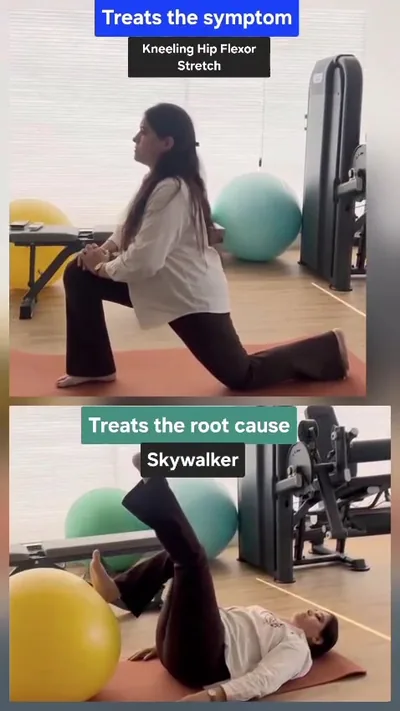

New moms in Jaipur often face hip weakness after delivery. Pregnancy stretches hip muscles and ligaments. Delivery adds strain. Inactivity worsens it.
Safe postpartum hip exercises rebuild strength. They support pelvic floor and hip rehab. Start after check-up.
Post delivery hip exercises strengthen safely. Always get professional assessment first. Recovery varies.
Understanding Hip Weakness After Delivery
Pregnancy causes hip weakness. Relaxin loosens ligaments for birth, making hips unstable. Growing belly shifts posture, straining hip muscles like glutes and abductors.
Inactivity adds to it. Carrying baby or breastfeeding pulls on hips, worsening imbalance.
See a physiotherapist first for proper check.
When to Start Postpartum Hip Exercises
Timelines depend on delivery type and recovery. After normal delivery, light moves within days if no heavy bleeding or pain.
For normal delivery, start with deep breathing and pelvic tilts on day 1-2 if you feel ready and cleared.
Consult Dr. Jyoti Choudhary or Dr. Hritika Choudhary, specialists in women’s health and postnatal rehab. Book online if homebound with newborn.
Safe Postpartum Hip Strengthening Exercises
Try these 4 exercises on a firm mat or bed. Breathe steadily: inhale to prepare, exhale on effort to engage core.
Start every session with pelvic floor activation. Gently squeeze pelvic floor muscles as if stopping urine flow or wind, hold 3 seconds, relax fully.
- Glute Bridge: Lie on back, knees bent, feet flat hip-width apart, arms by sides. Exhale, lift hips by squeezing glutes and hamstrings. Keep core engaged to avoid back arch—pelvis stays level like a tray of tea. Hold 3-5 seconds, lower slowly with control. Strengthens glutes, hamstrings and core stability.
- Clamshell: Lie on side with pillow under head, knees bent 45 degrees, feet touching. Keep heels together, exhale to lift top knee like opening a clamshell, pelvis stays still—no rocking back. Lower gently. Strengthens outer hips (abductors). Add resistance band around knees later for challenge.
- Side Leg Lift: Lie on side, bottom leg bent for stability, top leg straight with toes pointing forward. Exhale, lift top leg 30 cm, lead with heel, keep hips stacked. Lower with control—no swing. Targets hip abductors for better side stability when carrying baby.
- Seated Hip March: Sit tall on chair edge or bed, feet flat, hands on thighs. Exhale, lift one knee towards chest without leaning back. Hold 2 seconds at top, lower slowly. Alternate sides. Builds hip flexor strength and stability for walking.
Precautions: Stop for any pain beyond mild muscle work. Watch for sharp discomfort, dizziness, urine leaking or heavy feeling. Get tailored advice from our team.
Gentle Hip Workouts with Pelvic Floor Integration for New Moms
Pelvic floor and hip rehab connect closely postpartum. Weak pelvic floor fails to support hips, increasing strain.
Add these integrated moves: Pelvic Tilts: Lie on back, knees bent, feet flat.
Bird Dog: On all fours, hands under shoulders, knees under hips.
After strengthening, stretch hips: Lie on back, cross one ankle over opposite knee (figure 4 shape), gently pull bottom thigh towards chest with hands.
In clinic sessions, we test pelvic floor strength with finger assessment if comfortable, check gait on treadmill for hip drop, use real-time ultrasound to view muscle activation. Looking for a Physiotherapist Near Me? Our team in Vaishali Nagar, Jaipur can assess you in person.
Advanced Techniques for Hip Rehab at Trivayu Physio
Clinic options start with manual therapy to ease tight muscles around hips.
Electrotherapy helps: TENS unit sends mild pulses for surface nerve pain, IFT for deeper muscle relief.
Clinical Pilates on reformer machine teaches controlled hip moves with springs for resistance. Exercise therapy uses free weights, bands or balls for progression. Dr.
Sessions last 45-60 minutes: 10 min assessment, 30 min treatment/exercise, 10 min home plan review.
Safe Exercises After Childbirth: Progression Guide
Follow this step-by-step to avoid overload. Week 1-2 (post-clearance): Stick to seated and supine basics like marches and tilts.
For C-section recovery, start scar massage at 4 weeks once healed: Use clean fingers or oil, make small circles over scar, 2 minutes twice daily.
Daily tips for Jaipur moms: Lift legs while holding baby across lap for supported bridges. Walk with pram 5 minutes, focus on even strides—no limping. Read more about our Post-Surgery & Joint Replacement Rehab in Jaipur.
Hip Strengthening for Moms: Addressing Weak Hips After Baby
Weak hips after baby show as pain when side-lying or waddling gait.
Gentle workouts build endurance. Add Fire Hydrant: On all fours, exhale to lift bent knee out to side like dog at hydrant, keep back flat. You may also find Pelvic Pain Post Delivery Exercises Jaipur useful.
What to expect in session: Dr. Jyoti or Dr. Hritika watches form, corrects posture like tucking pelvis, uses mirror for feedback.
Postnatal Physiotherapy in Jaipur: Pelvic Floor and Hip Rehab
Postnatal physiotherapy targets both. Weak pelvic floor from delivery strains hips.
Linked exercises: Squat with Pelvic Squeeze (week 4+): Feet wide, hold chair, lower halfway, squeeze pelvic floor at bottom, stand exhaling.
At Trivayu, we use biofeedback tools if available to show muscle activity on screen. Home program: 10 min morning, 10 min evening.
Benefits and Tips for New Moms in Jaipur
Consistent exercises improve hip mobility, posture and reduce back strain from carrying. Better function means easier baby handling, improved sleep from less pain.
- Stand tall, roll shoulders back while breastfeeding to unload hips.
- Walk 5 minutes daily with pram, build to 10-15, even strides on flat paths.
- Hydrate well, extra water in Jaipur summers to support muscle recovery.
- Pelvic floor drills: 10 quick squeezes, 10 long holds (8 seconds), 3 times daily.
- Sleep on side with pillow between knees to keep hips aligned.
- Feed baby in upright positions to avoid hip twist.
Seek help if pain lasts over 2 weeks or worsens. Contact Trivayu at +91 90570 65065. Home visits bring mat, bands, TENS unit for electrotherapy.
Common questions
Are postpartum hip exercises safe right after delivery?
Not always. Wait doctor clearance. Start light breathing early, add strengthening after physio assessment. We teach safe pelvic floor activation first.
How soon can I start hip strengthening after giving birth?
Normal delivery: days if cleared and no complications. C-section: 6-8 weeks post-op. Always consult Dr. Hritika or team for personal timeline.
What causes hip weakness in new moms?
Relaxin hormone loosens joints, delivery strain, posture shift from belly, inactivity and breastfeeding tilt.
Can physiotherapy help with postpartum hip pain in Jaipur?
Yes. Manual therapy releases tightness, electrotherapy eases pain, tailored exercises build strength. Home programs included.
How often should I do hip exercises after delivery?
Daily short 10-min sessions at first, then every other day. Rest if muscles feel sore next day.
Is home visit available for postpartum rehab in Jaipur?
Yes, for Vaishali Nagar, Vidyadhar Nagar areas. Call +91 90570 65065 or WhatsApp https://wa.me/919057065065.
How do I know if my pelvic floor needs hip rehab too?
Signs: urine leak on laugh, heaviness down below, weak lift during squeeze. Physiotherapist tests manually, teaches combined exercises.
Rebuild hip strength with expert postnatal physiotherapy. Trivayu supports your postpartum journey in Jaipur.
Book assessment today. WhatsApp or call +91 90570 65065.
When to see a doctor, not a physiotherapist
Physiotherapy is not the right first step for everything. Seek medical assessment promptly if any of the following apply to you:
- Vaginal bleeding that suddenly becomes heavy again, keeps increasing, or passes clots or pieces of tissue, especially alongside feeling faint, cold and clammy or a racing heart, which needs emergency care
- A raised temperature, shivering or shaking attacks, or feeling suddenly and severely unwell, which can worsen within hours after a birth and needs same-day medical assessment
- Tummy, pelvic or perineal pain with fever, or vaginal discharge with an unpleasant smell, which needs same-day medical assessment
- A caesarean wound that becomes more red, more painful or more swollen, leaks pus or foul-smelling fluid, or starts to open, which needs same-day medical assessment
- Pain, swelling or tenderness in one calf or thigh, which needs same-day medical assessment
- Sudden breathlessness, chest pain or a new cough, which needs emergency care
- Breathlessness that does not settle, that comes on when you lie flat or that wakes you at night, or a pounding heart with swelling in both ankles, which needs medical review before any return to exercise
- A severe headache that painkillers do not shift, blurred vision or flashing lights, being sick, pain just below the ribs, or sudden swelling of the face, hands or feet, which needs urgent obstetric review even if your blood pressure was normal throughout pregnancy, and emergency care if there is a fit or seizure
- A sudden inability to pass urine, passing only small amounts, or not being able to feel when your bladder is full, which needs same-day medical assessment even when it is not painful
- New numbness around the saddle area, new loss of bowel control, or new weakness in both legs after a spinal or an epidural, which is an emergency
- Thoughts of harming yourself or your baby, or feeling frightened, confused, or unusually elated and not needing sleep, which is a medical emergency and needs urgent same-day help
- Pain that the painkillers you were sent home with are not controlling, or pain that is getting worse instead of easing
- Pain following a significant fall, road accident or other major injury
- Fever, chills or feeling generally unwell alongside the pain
- Weakness that is getting worse, or numbness that is spreading
If you lose control of your bladder or bowels, develop numbness around the groin, or have chest pain or breathlessness, treat it as an emergency and go to hospital.
Safety limits and when this does not apply
- Always follow the advice of the doctor who looked after your delivery. Where this article and your doctor differ, follow your doctor.
- Abdominal loading is built back in stages as you feel able: gentle breathing and deep abdominal work first, with sit-ups, planks, crunches and high-impact exercise left until much later. Avoid straining on the toilet and heavy lifting in the meantime.
- Do not massage, stretch, foam roll or exercise a calf or thigh that is painful, swollen, warm or red, and do not exercise while you have a temperature or feel unwell, until the cause has been checked.
- The gap between the stomach muscles is checked before any curl-up or crunching exercise is added, and a general article cannot do that check for you. If the gap is still obvious around eight weeks after the birth, see your doctor, who can refer you to a physiotherapist.
- Electrotherapy and laser are not applied over a caesarean scar, and scar massage is not started until the wound is fully closed and dry.
- This article is general information. It is not an assessment of your problem, and it cannot account for your medical history, medication or imaging.
References
How this article was produced
- Evidence. Guidance on recovery after childbirth and caesarean section here follows the 5 sources listed under References above.
- Clinical experience. Practical points on what tends to help in the clinic reflect the experience of the Trivayu physiotherapy team in Vaishali Nagar, Jaipur, and are not the same as trial evidence.
- Opinion. Where we suggest a preference or an approach, that is our clinical judgement. Other qualified clinicians may reasonably differ.
- Author. Dr. Hritika Choudhary, B.P.T, M.P.T.
- Published. 24 August 2026.