
physiotherapy for vertigo elderly

The short answer
Physiotherapy at Trivayu Physio Center in Jaipur treats vertigo in elderly through tailored sessions focusing on balance retraining, strength building, and fall prevention. It addresses inner ear issues like BPPV and weak muscles with exercises, manual techniques like Epley manoeuvre, and geriatric assessments. Families in Jaipur seek this safe help for seniors' dizziness.
Vertigo in elderly causes spinning that disrupts life. Families in Jaipur seek safe help for seniors’ dizziness.
At Trivayu Physio Center, we focus on elderly fall prevention through tailored sessions. Our team handles vertigo treatment with care.
Balance problems in seniors link to inner ear issues or weak muscles. Physiotherapy for dizziness builds strength. Read on for steps families can take.
Understanding Vertigo in Elderly
Vertigo in old age stems from inner ear problems like BPPV. This causes dizziness when turning the head.
Balance worsens with age as muscles weaken and joints stiffen. Seniors lose reflexes to stay steady. Fall risk rises, leading to injuries.
In Jaipur homes, seniors with vertigo avoid bending or looking up. Tasks like brushing teeth trigger spins.
The spinning sensation feels like the room turns. It lasts seconds to minutes. Seniors sit or lie down to wait it out.
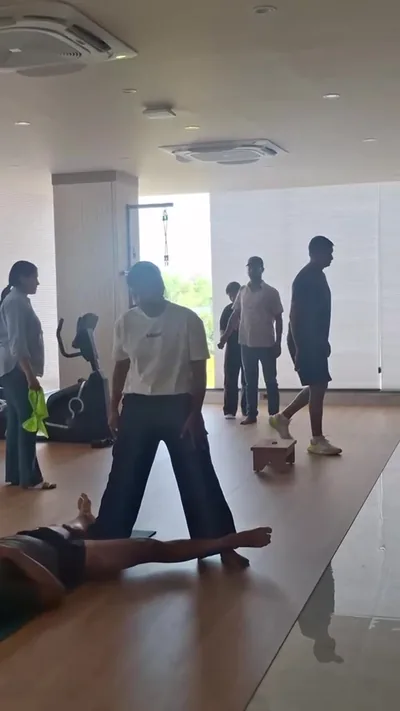
Physiotherapy assessment comes first. At Trivayu Physio Center, we check posture, strength and ear function. This guides treatment.
We watch a senior walk on a straight line, then turn. Sway or veering shows balance gaps.
How Geriatric Physiotherapy Helps Vertigo
Geriatric physiotherapy manages vertigo by retraining balance. It targets eyes, inner ears and muscles. Sessions ease spinning over time.
Aim is balance improvement and fall reduction. Exercises build core stability. Hands-on work frees tight spots.
A physiotherapist watches standing and walking, checks for sway. Tests like Dix-Hallpike confirm BPPV with a head turn while lying back.
Sessions last 30-45 minutes, twice weekly at first. Progress depends on fitness and dizziness. Families learn home support. Each visit reviews home exercise logs.
Start with in-person evaluation at Trivayu Physio Center. Plans fit each senior’s needs. For frail seniors, we begin seated. Stronger ones add standing tasks.
Balance Exercises for Seniors with Vertigo
Exercises improve stability for vertigo. They work on inner ear signals and leg control. Practice under guidance first. Build slowly to avoid overload.
- Stand feet apart, eyes closed 10 seconds. Hold chair if needed. Sharpens balance senses without sight.
- Sit-to-stand: Rise from chair without hands, 5-10 times. Strengthens legs and hips. Pause if spins start. Use arms only if weak.
- Heel-to-toe walk: Heel to toe like tightrope, 10 steps with support. Builds side control for uneven ground.
- Head turns seated: Side to side slowly, 10 times each. Builds ear-muscle links. Keep gaze fixed on a point ahead.
- Single-leg stand: 5-10 seconds per leg, hold chair. Targets ankle strength for quick fixes.
- Tandem stance: One foot behind other, heels touching, 20 seconds. Mimics narrow paths like Jaipur home corridors.
- Clock reach: Stand, reach arms to 12, 3, 6, 9 o’clock positions. Hold wall. Trains reach without topple.
- Step-ups: Use low stair or box, 5 times per leg. Strengthens for Jaipur home steps.
Do after clinic sessions. Physiotherapists show form. Stop if dizziness spikes, tell therapist. Track spin-free days in a notebook.
Manual Techniques in Vertigo Treatment
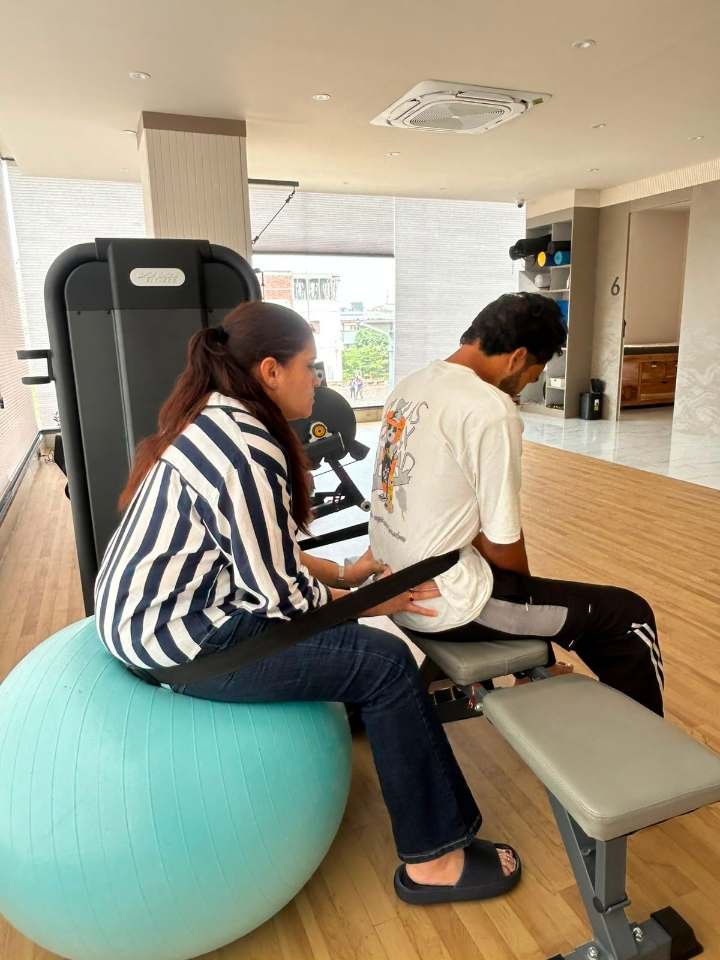
Manual therapy eases dizziness. At Trivayu, methods suit seniors. Gentle pressure repositions BPPV ear crystals.
Epley manoeuvre shifts ear particles, done lying down, 5-10 minutes. Therapist guides head through turns while supporting neck.
Myofascial release loosens neck and shoulder tissues. Hands glide to release knots. Soft pressure follows muscle lines from base of skull to shoulders.
Vestibular rehab uses eye-head exercises. Track finger with eyes while turning head. Start slow: finger at nose, head side to side.
Dry needling releases neck trigger points if suitable. Thin needle taps tight spots. Mild twitch signals release. Limit to 5-10 points per session.
Cupping aids muscle flow. Suction cups on upper back pull skin gently, 5-10 minutes. Improves neck glide.
Manual therapy realigns joints. Therapist uses light mobilisations on neck vertebrae. Done in clinic with team like Dr. Jyoti Choudhary, expert in orthopaedics.
Expect mild soreness after, fades in a day. Gains show in weeks with home follow-up. Families spot if spins lessen post-session.
Why Clinic Techniques Matter
Clinic tools like electrotherapy speed relief. Setup ensures safety. Therapists spot risks early. Padded mats catch slips. Mirrors show form. Progress tracked with repeat Dix-Hallpike. Looking for a Physiotherapist Near Me? Our team in Vaishali Nagar, Jaipur can assess you in person.
Fall Prevention Strategies for Elderly
Fall risk ties to vertigo spins. Physiotherapy steadies gait. Combine exercises with posture correction.
Trivayu teaches weight transfer in standing. Shift from heels to toes against wall for feedback. Practice turning full circle without spin.
Home checks: Clear clutter, fix rugs, add grab bars near toilets, wear grippy shoes. Night lights guide to bathroom. Stock walking sticks by doors.
Seniors climb stairs one at a time with rail, good shoe grip. Garden kneeling: Use knee pads, rise slow.
Add tai chi moves like slow arm circles while stepping side to side. Do in clinic first. Progress to garden paths.
Balance board work: Rock gently front-back, side-side. Builds calf and ankle reflexes. Visit Vaishali Nagar or Vidyadhar Nagar. Home visits bring mats and tools.
Physiotherapy Approach to Dizziness in Seniors
Starts with history: When spins hit, check medicines, meals, sleep. Note patterns like morning worse.
Gait training: Walk eyes on floor lines, progress to turns and stops. Add head turns mid-stride.
Core bridges: Lie back, lift hips 5-10 seconds, 5 times. Strengthens back chain. Knees bent, feet flat.
Belly breaths: Hand on stomach, expand on inhale, 10 breaths. Calms nerves, steadies breath during spins.
Track with balance board to build ankle reflexes. Seated ball rolls for eyes: Roll ball side to side, eyes follow.
Proprioception drills: Stand on one leg eyes open, then closed. Therapist cues adjustments.
Getting Started with Physiotherapy in Jaipur
Contact Trivayu Physio Center at +91 90570 65065. Team includes Dr. Jyoti Choudhary (17+ years sports and orthopaedics), Dr. Hritika Choudhary (rehab with electrotherapy), Dr. Read more about our Geriatric Physiotherapy.
Home visits and online consultation available. Open Mon-Sat 8am-8pm, Sun 10am-1pm.
Bring comfortable clothes, symptom list, medicines log. First visit: Assess posture and triggers, treat lightly with Epley if BPPV shows, plan home work.
Common questions
What causes vertigo in elderly?
Inner ear crystals shift in BPPV. Neck issues, medicines, age, dehydration or low sugar add to it. Low vision or foot numbness worsens balance.
How does physiotherapy help vertigo in seniors?
Retrains balance with exercises and manual work. Stability grows, eyes and ears sync. Fall risk drops as gait steadies.
What balance exercises reduce falls in old age?
Heel-toe walks, sit-stands, head turns, single-leg holds, tandem stance, clock reach. Supervised first, daily after.
Is geriatric physiotherapy available in Vaishali Nagar Jaipur?
Yes, Trivayu Physio Center, 204, 2nd Floor, Om Tower, Gandhi Path Road, Nemi Nagar.
Can home visits help elderly with dizziness?
Yes, full assessment and exercises at home. Mats and tools brought. Space adapted.
How soon can physiotherapy start for vertigo?
Book assessment soon. Start after check. Early moves reposition ear issues. Home tips given same day.
What techniques does Trivayu Physio use for balance issues?
Manual therapy, MFR, vestibular rehab, dry needling, cupping, Epley manoeuvre, exercise therapy, electrotherapy.
Geriatric physiotherapy brings steadiness. Book assessment at Trivayu Physio Center. WhatsApp or call +91 90570 65065.
When to see a doctor, not a physiotherapist
Physiotherapy is not the right first step for everything. Seek medical assessment promptly if any of the following apply to you:
- Sudden slurred speech, a drooping face, or weakness, numbness or clumsiness in one arm or leg, which needs emergency care immediately even if it lasted only a few minutes and has completely passed
- Double vision or sudden loss of vision, difficulty swallowing, a hoarse voice, or numbness down one side of the face during a dizzy spell, which needs emergency care
- Sudden loss of hearing in one ear, with or without spinning, which needs emergency care and must not be left to see how it goes
- New confusion, unusual drowsiness, or being difficult to wake, which needs emergency care immediately
- Fainting or collapsing, or dizziness with chest pain, breathlessness, or a racing or irregular heartbeat, which needs emergency care
- Fever alongside the dizziness with a stiff neck, a severe headache that is getting worse, pain on looking at bright light, a rash that does not fade when a glass is pressed on it, or ear pain, discharge or swelling behind the ear, which needs emergency care
- A fall in which the head was hit, or dizziness starting within days of a blow to the head or a whiplash-type neck injury, which needs same-day assessment, and emergency care if you take blood-thinning or anti-clotting medicine, or if vomiting, drowsiness, confusion or a worsening headache follows over the next few days
- A new, severe or unfamiliar headache, or new one-sided neck pain, at the same time as the vertigo
- Sudden dizziness in anyone taking medicine for diabetes, where a low blood sugar needs checking for and treating first, and medical help if the dizziness does not settle once it has been treated
- Being unable to stand or walk unsupported during an attack, veering to one side after the spinning stops, or vomiting so much that fluids cannot be kept down, which needs same-day medical assessment
- Dizziness that is not starting to settle after a few days, is getting worse, or keeps coming back, including with new ringing or a blocked feeling in one ear
- Pain following a significant fall, road accident or other major injury
- Fever, chills or feeling generally unwell alongside the pain
- Weakness that is getting worse, or numbness that is spreading
If you lose control of your bladder or bowels, develop numbness around the groin, or have chest pain or breathlessness, treat it as an emergency and go to hospital.
Safety limits and when this does not apply
- Do not practise positional or gaze exercises alone if you are unsteady on your feet. Have someone in the room, sit on a bed or a firm chair you can lower yourself onto, and clear the space first: not at the top of stairs, not on a hard or wet floor, not in the bathroom, and not beside glass, table corners or furniture edges. If you take blood-thinning medicine or have been told your bones are thin, a fall carries more risk and you should never practise on your own.
- Do not decide for yourself which side or which head position to treat, and do not copy a repositioning manoeuvre such as Epley from a video. Which manoeuvre helps depends on the cause and on which ear is affected, so it should be taught to you after an assessment.
- Head-tipping tests and repositioning manoeuvres are not appropriate where the neck is unstable. Your physiotherapist screens for neck, circulation and heart conditions, recent neck injury or surgery, and current medication before treatment; that is part of the assessment, not something to judge for yourself from an article.
- Do not force your head or neck past the point of comfort, and do not let your head hang unsupported. Stop the session if a movement brings on visual change, difficulty speaking, numbness or weakness, or if you are sick or the spinning has not settled after a few minutes of rest, and have it assessed rather than repeating it on your own. If you fall, stop for the day; if you hit your head, get checked the same day and do not restart until a doctor has seen you.
- Do not drive, cycle, swim, work at height or use machinery while you are still having dizzy spells, and have someone else take you if you need to see a doctor about the dizziness. When it is safe to drive again is a decision for your doctor, not for an exercise article. Do not stop or change a prescribed medicine because of anything you read here; if your dizziness began after starting or changing a medicine, tell the doctor who prescribed it.
- This article is general information. It is not an assessment of your problem, and it cannot account for your medical history, medication or imaging.
References
How this article was produced
- Evidence. Guidance on vertigo, dizziness and balance problems here follows the 5 sources listed under References above.
- Clinical experience. Practical points on what tends to help in the clinic reflect the experience of the Trivayu physiotherapy team in Vaishali Nagar, Jaipur, and are not the same as trial evidence.
- Opinion. Where we suggest a preference or an approach, that is our clinical judgement. Other qualified clinicians may reasonably differ.
- Author. Dr. Ajit Choudhary, B.P.T.
- Published. 20 August 2026.