Pelvic Floor Weakness Postpartum from Heavy Lifting
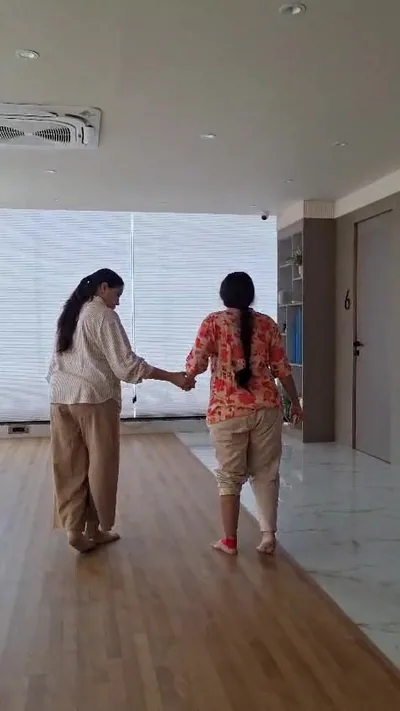

New mothers in Jaipur often face pelvic floor weakness after delivery, especially from heavy lifting. This can cause leaks when coughing or lifting baby, pelvic heaviness, or pain. Pelvic floor muscles support bladder, bowel, and uterus. Childbirth stretches them. Resuming heavy tasks adds strain. Recovery takes time as muscles heal from vaginal delivery or caesarean pressure.
At Trivayu Physio Center in Vaishali Nagar, Jaipur, our team helps with postpartum pelvic floor rehab. We offer women’s health physiotherapy for new mothers. In-person assessment guides safe recovery. Recovery varies. Physiotherapists check muscle tone, coordination, and imbalances. They use internal and external exams with consent to feel muscle contraction and relaxation.
Basic Kegel exercises help, but progressions build strength. Physiotherapists supervise to avoid harm. They teach finding right muscles, using cues like stopping urine flow or lifting a blueberry inside vagina. Read on for steps, sessions, and when to seek help.
Understanding Pelvic Floor Weakness After Postpartum Heavy Lifting
Pelvic floor is muscles and tissues at pelvis base. They hold organs and control urine, stool, gas. Pregnancy and delivery stretch them. Vaginal births with tears or forceps stretch more. Caesarean deliveries weaken from pregnancy weight.
Postpartum, women lift baby (3-4 kg), groceries, laundry. This strains weak muscles. Causes include vaginal delivery, multiple births, large babies. Heavy lifting worsens it, causing pain or weakness. Jolts from chasing toddlers or stairs add pressure. Looking for a Physiotherapist in Jaipur? Our team in Vaishali Nagar, Jaipur can assess you in person.
Symptoms: urine leaks with sneezing (stress incontinence), urgency, heaviness, pain during sex. Also constipation, back pain, dragging or bulging when standing. Pain sharpens when lifting baby from cot. Book in-person assessment at Trivayu Physio Center, Vaishali Nagar, Jaipur. We do not diagnose online. Assessment includes questions on delivery, symptoms, lifts. We test squeezes and posture.
Why Kegel Exercises Matter for New Mothers
Kegels squeeze and lift pelvic floor. Do by stopping urine mid-stream or holding wind. They strengthen for recovery. Never practise stopping urine often—risks infection; use only to learn feel.
Benefits: bladder control, less pain, support for lifting or squatting. Basic Kegels may not fix imbalances or over-tightness. Progressions add challenge. They improve endurance for coughs or carries. Read more about our Women's Health Physiotherapy in Jaipur.
Trivayu offers Women’s Health Physiotherapy. Ante-natal and post-natal programs include guided Kegels. Dr. Jyoti Choudhary and team explain for results. Sessions use biofeedback to show muscle activity on screen.
Safe Kegel Progressions for Postpartum Recovery
Start after doctor clearance, often 6 weeks post-delivery. Get physio supervision. Begin lying down, progress to sitting, standing. Breathe normally. Step-by-step progression:
- Basic Kegels: Sit or lie, knees apart. Squeeze 3 seconds, relax 3 seconds. Feel lift inside, not buttocks or thighs. 10 reps, 3 times daily. Track if one side weaker.
- Quick Flicks: After 1-2 weeks, fast squeezes and releases, 10 times. 3 sets daily. Pair with belly breaths: inhale relax, exhale squeeze. Trains speed for coughs.
- Longer Holds: 5-10 second holds with equal relaxes. In standing, hold light baby weight. 8-12 reps per set, 3 times daily. Feet hip-width, knees soft.
- Functional Kegels: Squeeze before lifting baby: exhale, engage core lightly, lift slowly. Add coughs, squats. Good posture: shoulders back, tailbone neutral. Squeeze every third step on walks.
- Advanced with Movement: Clinical Pilates: bridge pose, lift hips holding Kegel 5 seconds. Squats with Kegel at bottom. Breathe out on effort. Add therapy bands around knees.
Progress when stage easy without strain. If pain, stop and tell physio. Trivayu post-natal programs guide. Dr. Hritika Choudhary uses exercise therapy. 45-minute sessions, twice weekly, home logs.
Advanced Physiotherapy Techniques at Trivayu for Pelvic Floor Rehab
Trivayu uses hands-on methods. Manual therapy mobilises pelvis, hip tissues. Myofascial release eases knots in glutes, inner thighs.
Exercise therapy with clinical Pilates: child’s pose with tilts, then knee planks with Kegels. For pain, TENS reduces inflammation. Dry needling for tight spots if suitable.
Team tailors: Dr. Jyoti Choudhary for women’s health, Dr. Hritika for post-op skills. Sessions check posture for baby carrying, teach sling holds, trolley use. Address diastasis recti with transverse abdominis activation. You may also find Post Natal Pelvic Floor Exercises for New Mothers useful.
We serve Vaishali Nagar, Vidyadhar Nagar. Home visits for new moms: bring mat, bands, assess, demo lifts. Online consultations start plan with video feedback.
Postpartum Pelvic Floor Recovery Tips Before Physio
Avoid jumps, heavy deadlifts. Toilet habits: no strain, lean forward, feet on stool. For constipation, drink water, eat fibre like papaya, walk. Lift baby: bend knees, back straight, squeeze pelvic floor. Support perineum with cloth if sore.
When to Seek Professional Help in Jaipur
Red flags: severe leaks, pain stopping lifts, bulging, bowel leakage. See physio. Do not wait if worsening or fever. Also pain during sex beyond 3 months, heavy bleeding.
Trivayu open Mon-Sat 8 am-8 pm, Sun 10 am-1 pm. Call +91 90570 65065 or WhatsApp for visits, online. In-person key. Homework: logs, check-ins.
Common questions
What causes pelvic floor weakness after heavy lifting postpartum?
Delivery stretches muscles. Heavy lifting strains more. Pregnancy hormones soften tissues.
How do Kegel exercises help pelvic floor postpartum?
Strengthen for control, support. Progressions target speed, endurance.
When can I start Kegel progressions after delivery?
After doctor clearance, often 6 weeks. Physio guidance needed.
Can physiotherapy in Jaipur treat postpartum pelvic floor issues?
Yes, Trivayu offers women’s health physio with exercises, manual therapy, home plans.
What are safe progressions for Kegels for new moms?
Basic holds to quick flicks, longer holds, functional moves, Pilates. Supervise with physio.
How does Trivayu Physio Center help with pelvic floor rehab?
Manual therapy, myofascial release, clinical Pilates, electrotherapy, post-natal programs.
Is home visit available for postpartum pelvic physio in Jaipur?
Yes, Trivayu home visits include demos for safe lifts.
How does heavy lifting affect pelvic floor postpartum?
Adds pressure on healing muscles, worsens leaks, pain. Physio teaches modified techniques.
Pelvic floor weakness from postpartum heavy lifting responds to guided rehab. Start awareness, basic steps; professional input speeds progress. Women’s health physio at Trivayu builds strength.
Book assessment at Trivayu Physio Center. WhatsApp or call +91 90570 65065 for postpartum pelvic floor strengthening.
When to see a doctor, not a physiotherapist
Physiotherapy is not the right first step for everything. Seek medical assessment promptly if any of the following apply to you:
- Vaginal bleeding that suddenly becomes heavy again, keeps increasing, or passes clots or pieces of tissue, especially alongside feeling faint, cold and clammy or a racing heart, which needs emergency care
- A raised temperature, shivering or shaking attacks, or feeling suddenly and severely unwell, which can worsen within hours after a birth and needs same-day medical assessment
- Tummy, pelvic or perineal pain with fever, or vaginal discharge with an unpleasant smell, which needs same-day medical assessment
- A caesarean wound that becomes more red, more painful or more swollen, leaks pus or foul-smelling fluid, or starts to open, which needs same-day medical assessment
- Pain, swelling or tenderness in one calf or thigh, which needs same-day medical assessment
- Sudden breathlessness, chest pain or a new cough, which needs emergency care
- Breathlessness that does not settle, that comes on when you lie flat or that wakes you at night, or a pounding heart with swelling in both ankles, which needs medical review before any return to exercise
- A severe headache that painkillers do not shift, blurred vision or flashing lights, being sick, pain just below the ribs, or sudden swelling of the face, hands or feet, which needs urgent obstetric review even if your blood pressure was normal throughout pregnancy, and emergency care if there is a fit or seizure
- A sudden inability to pass urine, passing only small amounts, or not being able to feel when your bladder is full, which needs same-day medical assessment even when it is not painful
- New numbness around the saddle area, new loss of bowel control, or new weakness in both legs after a spinal or an epidural, which is an emergency
- Thoughts of harming yourself or your baby, or feeling frightened, confused, or unusually elated and not needing sleep, which is a medical emergency and needs urgent same-day help
- Pain that the painkillers you were sent home with are not controlling, or pain that is getting worse instead of easing
- Pain following a significant fall, road accident or other major injury
- Fever, chills or feeling generally unwell alongside the pain
- Weakness that is getting worse, or numbness that is spreading
If you lose control of your bladder or bowels, develop numbness around the groin, or have chest pain or breathlessness, treat it as an emergency and go to hospital.
Safety limits and when this does not apply
- Always follow the advice of the doctor who looked after your delivery. Where this article and your doctor differ, follow your doctor.
- Abdominal loading is built back in stages as you feel able: gentle breathing and deep abdominal work first, with sit-ups, planks, crunches and high-impact exercise left until much later. Avoid straining on the toilet and heavy lifting in the meantime.
- Do not massage, stretch, foam roll or exercise a calf or thigh that is painful, swollen, warm or red, and do not exercise while you have a temperature or feel unwell, until the cause has been checked.
- The gap between the stomach muscles is checked before any curl-up or crunching exercise is added, and a general article cannot do that check for you. If the gap is still obvious around eight weeks after the birth, see your doctor, who can refer you to a physiotherapist.
- Electrotherapy and laser are not applied over a caesarean scar, and scar massage is not started until the wound is fully closed and dry.
- This article is general information. It is not an assessment of your problem, and it cannot account for your medical history, medication or imaging.
References
How this article was produced
- Evidence. Guidance on recovery after childbirth and caesarean section here follows the 5 sources listed under References above.
- Clinical experience. Practical points on what tends to help in the clinic reflect the experience of the Trivayu physiotherapy team in Vaishali Nagar, Jaipur, and are not the same as trial evidence.
- Opinion. Where we suggest a preference or an approach, that is our clinical judgement. Other qualified clinicians may reasonably differ.
- Author. Dr. Hritika Choudhary, B.P.T, M.P.T.
- Published. 24 August 2026.