
Balance Exercises for Elderly in Jaipur at Home

The short answer
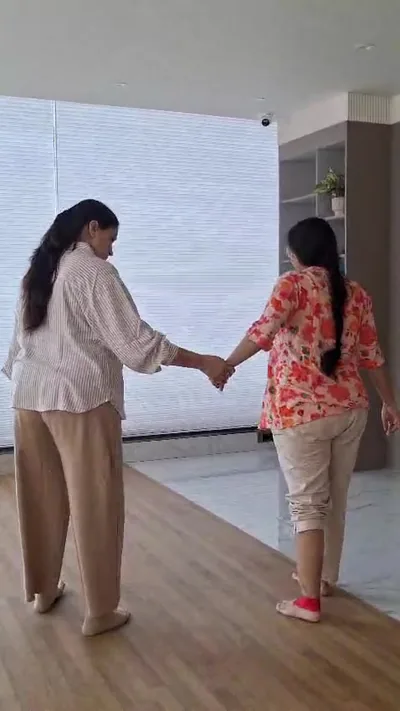
Balance exercises for elderly in Jaipur at home include standing with feet together, weight shift side to side, single leg stand with support, tandem walk, and heel-toe raises. These simple drills require no equipment and fit limited spaces in Jaipur flats and houses. Families can supervise progressive practice near a wall or chair to improve stability.
Senior citizens above 65 face a higher chance of falls at home. In Jaipur flats and houses with limited space, a few minutes of balance training each day can improve stability for older adults.
Consistent safe balance practice for elderly helps reduce senior citizen fall risk. Family members can guide their parents or grandparents through simple drills that progress slowly.
At Trivayu Physio Center in Vaishali Nagar we see many families from Vaishali Nagar and Vidyadhar Nagar who start with home balance training and later add professional support when needed.
Why balance training matters for seniors in Indian homes
Falls are a leading cause of injury for people over 65. Wet floors, low stools, narrow corridors and sudden turns raise the danger in typical Jaipur homes. Poor balance also makes walking on uneven surfaces or climbing stairs risky.
Stability in small Jaipur flats improves when seniors practise simple drills regularly. No special equipment is required. Even standing in one spot and shifting weight can strengthen the muscles that keep the body steady.
Geriatric balance training India focuses on daily movements that match real life. Short practice sessions build confidence without tiring the person. Families notice steadier walking and fewer near-misses after a few weeks of consistent home balance training for seniors.
Safety first: preparing for home balance drills
Choose a clear spot near a wall or sturdy chair so the senior can reach support in one step. Remove rugs, wires and clutter. Good footwear with non-slip soles is essential; avoid socks on tiled floors.
Start each session with a family member nearby. Stop immediately if the senior feels dizzy, breathless or has pain. These drills are general and not a replacement for medical advice. Looking for a Physiotherapist in Jaipur? Our team in Vaishali Nagar, Jaipur can assess you in person.
Supervision is especially important in the first two weeks. Keep sessions short. Sit and rest if needed. The goal is safe balance practice for elderly, not pushing limits.
Five easy balance exercises with clear progression
These five drills use the limited space of Indian households. Begin with the easiest version. Move to harder versions only when the senior feels steady. Perform the movements slowly. Rest between attempts. A family member should stay close.
1. Feet together stand
Starting level: Stand with feet together, hold the back of a chair or touch the wall lightly. Keep eyes open and look straight ahead.
2. Weight shift side to side
Starting level: Stand with feet hip-width apart, hold a chair. Slowly shift body weight onto the right foot, then left. Keep shoulders level.
Progression: Reduce hand support.
3. Single leg stand (with support)
Starting level: Hold chair firmly. Lift one foot just off the floor for a moment, then lower. Alternate sides.
Progression: Lift foot for longer while keeping light finger contact on the chair.
4. Tandem walk (heel-to-toe steps)
Starting level: Place one foot directly in front of the other and hold the wall or chair. Take two or three small steps.
Progression: Increase steps along a straight line.
5. Heel-toe raises
Starting level: Stand holding a chair. Rise onto toes slowly, then lower. Next rock back onto heels while keeping toes on floor.
Progression: Perform without holding the chair. Read more about our Geriatric Physiotherapy.
Perform one or two of these drills per session at first. Quality matters more than quantity. Stop if form breaks. These simple balance drills at home build a foundation before adding more challenge.
How to make balance training a daily habit
Link the drills to existing routines. Practise feet-together stand while the milk boils for chai. Do weight shifts during TV serial breaks. Tandem walk while moving from bedroom to bathroom.
Track progress by noting easier movements or fewer wobbles. Encourage good posture during all drills: stand tall, look forward, breathe normally. Combine balance work with gentle posture awareness to support the whole body.
Family members can join in. This makes sessions social and reminds the senior to stay regular. Short daily practice of elderly balance improvement exercises gives better results than long sessions done once a week.
When home exercises are not enough
Seek professional help if the senior still feels unsteady after two weeks, has fallen recently, reports dizziness, or avoids walking. Other warning signs include difficulty rising from a chair, numbness in legs or fear of falling that limits daily activities.
At Trivayu Physio Center our team offers geriatric physiotherapy. Dr. Ajit Choudhary and Dr. Jyoti Choudhary bring years of experience in post-op and neuro rehab. You may also find Exercises for Osteoporosis Balance in Jaipur useful.
Home visits are available in Vaishali Nagar and Vidyadhar Nagar. Online consultation is also possible for families who cannot travel. A personalised plan combines safe home exercises with targeted treatment to reduce fall risk more effectively.
Common questions
What are the best balance exercises for elderly at home?
Simple drills such as standing with feet together, shifting weight side to side, single-leg stand with support, tandem walk and heel-toe raises work well. They need no equipment and fit small Indian household spaces. Start with support and progress slowly.
How can seniors in Jaipur reduce fall risk with simple drills?
Daily short practice of progressive balance routine improves stability for older adults. Performing drills near a wall or chair in familiar surroundings builds confidence and coordination. Consistent home balance training for seniors helps prevent falls in seniors.
How often should elderly people do balance training?
Short sessions most days of the week give good results. Two to three short practices daily, linked to routine tasks such as waiting for chai or TV breaks, work better than one long session.
Are these home balance exercises safe without equipment?
Yes, when done with proper preparation. Always stand near a sturdy chair or wall, wear non-slip footwear, have family supervision and stop at any sign of dizziness or pain. These are general exercises.
When should family members seek professional physiotherapy for senior balance issues?
Contact a physiotherapist if balance does not improve after regular practice, after a fall, with dizziness, leg weakness or increasing fear of falling. In-clinic care and home visits can add manual therapy, advanced electrotherapy and tailored plans.
Simple balance exercises for elderly in Jaipur can make daily life safer and more confident. Start with the easiest drills, stay consistent and watch for signs that extra help is needed.
Book an assessment for your senior family member. Call us or message on WhatsApp to arrange a convenient time.
When to see a doctor, not a physiotherapist
Physiotherapy is not the right first step for everything. Seek medical assessment promptly if any of the following apply to you:
- Sudden slurred speech, a drooping face, or weakness, numbness or clumsiness in one arm or leg, which needs emergency care immediately even if it lasted only a few minutes and has completely passed
- Double vision or sudden loss of vision, difficulty swallowing, a hoarse voice, or numbness down one side of the face during a dizzy spell, which needs emergency care
- Sudden loss of hearing in one ear, with or without spinning, which needs emergency care and must not be left to see how it goes
- New confusion, unusual drowsiness, or being difficult to wake, which needs emergency care immediately
- Fainting or collapsing, or dizziness with chest pain, breathlessness, or a racing or irregular heartbeat, which needs emergency care
- Fever alongside the dizziness with a stiff neck, a severe headache that is getting worse, pain on looking at bright light, a rash that does not fade when a glass is pressed on it, or ear pain, discharge or swelling behind the ear, which needs emergency care
- A fall in which the head was hit, or dizziness starting within days of a blow to the head or a whiplash-type neck injury, which needs same-day assessment, and emergency care if you take blood-thinning or anti-clotting medicine, or if vomiting, drowsiness, confusion or a worsening headache follows over the next few days
- A new, severe or unfamiliar headache, or new one-sided neck pain, at the same time as the vertigo
- Sudden dizziness in anyone taking medicine for diabetes, where a low blood sugar needs checking for and treating first, and medical help if the dizziness does not settle once it has been treated
- Being unable to stand or walk unsupported during an attack, veering to one side after the spinning stops, or vomiting so much that fluids cannot be kept down, which needs same-day medical assessment
- Dizziness that is not starting to settle after a few days, is getting worse, or keeps coming back, including with new ringing or a blocked feeling in one ear
- Pain following a significant fall, road accident or other major injury
- Fever, chills or feeling generally unwell alongside the pain
- Weakness that is getting worse, or numbness that is spreading
If you lose control of your bladder or bowels, develop numbness around the groin, or have chest pain or breathlessness, treat it as an emergency and go to hospital.
Safety limits and when this does not apply
- Do not practise positional or gaze exercises alone if you are unsteady on your feet. Have someone in the room, sit on a bed or a firm chair you can lower yourself onto, and clear the space first: not at the top of stairs, not on a hard or wet floor, not in the bathroom, and not beside glass, table corners or furniture edges. If you take blood-thinning medicine or have been told your bones are thin, a fall carries more risk and you should never practise on your own.
- Do not decide for yourself which side or which head position to treat, and do not copy a repositioning manoeuvre such as Epley from a video. Which manoeuvre helps depends on the cause and on which ear is affected, so it should be taught to you after an assessment.
- Head-tipping tests and repositioning manoeuvres are not appropriate where the neck is unstable. Your physiotherapist screens for neck, circulation and heart conditions, recent neck injury or surgery, and current medication before treatment; that is part of the assessment, not something to judge for yourself from an article.
- Do not force your head or neck past the point of comfort, and do not let your head hang unsupported. Stop the session if a movement brings on visual change, difficulty speaking, numbness or weakness, or if you are sick or the spinning has not settled after a few minutes of rest, and have it assessed rather than repeating it on your own. If you fall, stop for the day; if you hit your head, get checked the same day and do not restart until a doctor has seen you.
- Do not drive, cycle, swim, work at height or use machinery while you are still having dizzy spells, and have someone else take you if you need to see a doctor about the dizziness. When it is safe to drive again is a decision for your doctor, not for an exercise article. Do not stop or change a prescribed medicine because of anything you read here; if your dizziness began after starting or changing a medicine, tell the doctor who prescribed it.
- This article is general information. It is not an assessment of your problem, and it cannot account for your medical history, medication or imaging.
References
How this article was produced
- Evidence. Guidance on vertigo, dizziness and balance problems here follows the 5 sources listed under References above.
- Clinical experience. Practical points on what tends to help in the clinic reflect the experience of the Trivayu physiotherapy team in Vaishali Nagar, Jaipur, and are not the same as trial evidence.
- Opinion. Where we suggest a preference or an approach, that is our clinical judgement. Other qualified clinicians may reasonably differ.
- Author. Dr. Ajit Choudhary, B.P.T.
- Published. 19 August 2026.